
Concasseur-Cylindre
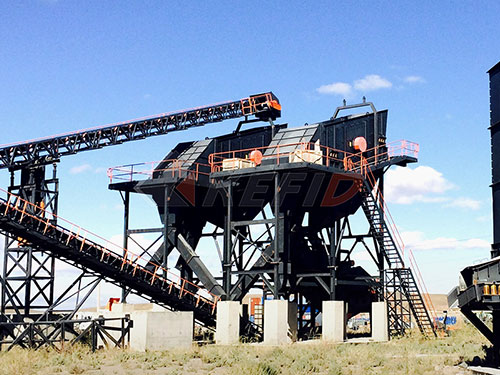

La centrale invisible: Delving Deep into the Crusher Cylinder
Within the thunderous heart of industrial mineral processing plants, carrières, and recycling facilities lies a machine synonymous with raw power: le broyeur. These mechanical behemoths reduce mountains of rock, dalles de béton, and demolition debris into manageable aggregates essential for construction and manufacturing. While jaws, cônes, rotors, or hammers capture the visual spectacle of fragmentation, a critical component operates largely unseen yet is fundamental to their function – the Crusher Cylinder. This hydraulic actuator is far more than just a push-pull device; it is the linchpin of force application, adjustment precision, protection contre les surcharges, et finalement, crushing efficiency.
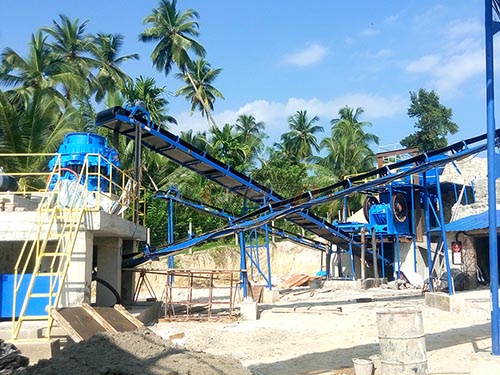
Beyond Simple Motion: The Core Functions
At its most basic level, a hydraulic cylinder converts fluid power under pressure into linear mechanical force and motion. In crushers – whether jaw crushers with their oscillating plates or gyratory crushers with their central shafts – cylinders serve several indispensable roles:
1. Ajustement des paramètres & Cavity Control: Perhaps the most frequent operation demanding cylinder intervention is adjusting the discharge setting – the gap between crushing surfaces that determines final product size.
Concasseurs à mâchoires: Ici (especially in modern designs), hydraulic cylinders directly control the position of the toggle plate(s) or even directly move one jaw relative to the other. Adjusting cylinder stroke changes the closed-side setting instantly.
Concasseurs giratoires: A main shaft cylinder lifts or lowers the entire shaft assembly vertically within its housing (the spider). This precise vertical movement directly alters the gap at the bottom of the crushing chamber.
Concasseurs à cône: Similar to gyratories but often employing multiple cylinders for different functions. Hydraulic cylinders control both adjustment ring height (setting main shaft position/crushing gap) and clamping force on threads holding components together.
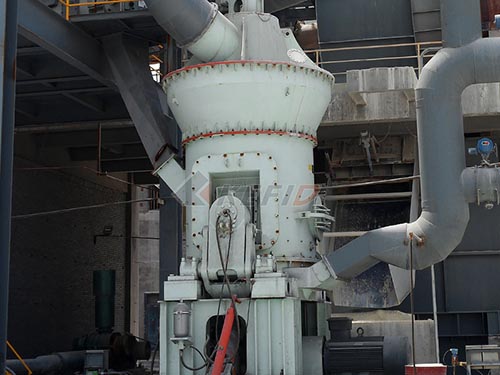
Concasseurs à percussion: While less common for primary adjustment due to their design philosophy relying on rotor speed/hammer configuration/hydraulic apron settings might be controlled by cylinders for finer tuning under load.
2. Protection contre les surcharges & Libération de clochard: Crushing encounters unpredictable hazards – uncrushable objects ("clochard métal") like bucket teeth or large steel fragments can enter unexpectedly.
Safety Valves Embodied: Crusher cylinders are uniquely integrated with sophisticated hydraulic safety circuits.
Pressure Relief: When crushing forces exceed preset limits due to tramp material or severe bridging/stalling