
Exportateurs d'usines de concassage de scories en vrac
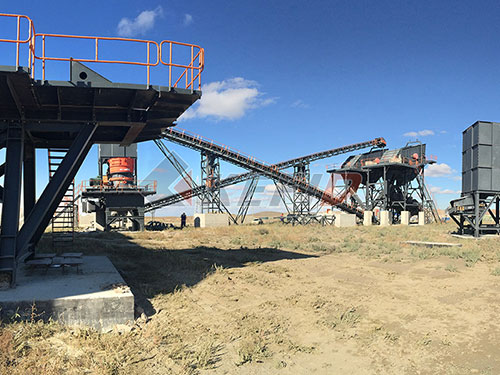

1. OUVERTURE ENTRAÎNÉE PAR POINT DE DOULEUR
La gestion des scories en vrac constitue un goulot d'étranglement critique mais coûteux dans la production de métaux et le traitement des granulats.. Une manipulation inefficace a un impact direct sur vos résultats en raison de temps d'arrêt excessifs, coûts d'entretien élevés, et perte de revenus due au matériel non récupéré. Êtes-vous confronté à ces défis persistants?
Temps d'arrêt élevés pour le concassage primaire: Des colmatages et pontages fréquents dans la trémie d'alimentation du broyeur interrompent l'ensemble de votre chaîne de traitement., entraînant des heures d'arrêts imprévus et une perte de débit.
Usure excessive & Coûts d'entretien: La nature abrasive des scories dégrade rapidement les composants standard du concasseur.. Le cycle constant de remplacement de pièces et de main d’œuvre pour la maintenance crée des dépenses opérationnelles imprévisibles.
Réduction de taille inefficace & Sortie incontrôlée: Une alimentation incohérente ou des chambres de concassage inadaptées produisent des matériaux hors spécifications, soit trop gros pour les convoyeurs en aval, soit trop fins., créer de la poussière et réduire la valeur de votre produit final.
Faible capacité de débit: Un concasseur sous-alimenté ou mal spécifié devient le point d'étranglement de votre usine, vous empêchant d'adapter vos opérations pour répondre à la demande et éliminer efficacement les stocks.
Exigences élevées en matière de main-d'œuvre opérationnelle: Intervention manuelle pour éliminer les blocages, flux de surveillance, et l'ajustement des paramètres augmente les coûts de main-d'œuvre et les risques pour la sécurité.
Si ces problèmes vous semblent familiers, votre opération nécessite une solution spécialement conçue pour les exigences de réduction des scories en vrac.
2. APERÇU DU PRODUIT
Une usine de concassage de scories en vrac est un système intégré stationnaire ou semi-mobile conçu pour la réduction primaire et secondaire de gros, scories abrasives provenant de hauts fourneaux, aciéries, ou production de métaux non ferreux. Il transforme les blocs de scories irréguliers en un, granulat calibré destiné au recyclage comme matériau de construction, ballast ferroviaire, ou matière première pour un traitement ultérieur.
Flux de travail opérationnel:
1. Alimentation & Présélection: Les scories en vrac sont chargées dans un alimentateur grizzly vibrant robuste, qui élimine les fractions fines (50mm) avant d'écraser, augmenter l’efficacité globale de l’usine.
2. Réduction de la taille primaire: Les matériaux surdimensionnés sont transportés vers un concasseur à mâchoires robuste ou un impacteur primaire conçu pour accepter de grandes tailles d'aliments. (jusqu'à 1200 mm) et les décomposer en dimensions gérables (150250mm).
3. Concassage secondaire & Dimensionnement: Le matériau broyé primaire est ensuite traité par un concasseur à cône secondaire ou un concasseur à percussion configuré pour une résistance élevée à l'abrasion., produire des produits finaux calibrés avec précision (par ex., 05mm, 520mm, 2040mm).
4. Tri des matériaux & Stockage: Le matériau broyé est trié via des tamis vibrants; Le produit conforme aux spécifications est acheminé vers les stocks tandis que les matériaux surdimensionnés sont recirculés vers le concasseur secondaire..
Champ d'application: Idéal pour les aciéries intégrées, chantiers de traitement de scories autonomes, opérations minières avec des scories de sous-produits, et producteurs de granulats spécialisés dans les sous-produits industriels.
Limites: Non conçu pour être mouillé, matériaux collants sans séchage préalable; la taille et la dureté maximales de l'alimentation sont limitées par la conception spécifique au modèle du concasseur primaire.
3. CARACTÉRISTIQUES PRINCIPALES
Mangeoire vibrante robuste pour grizzlis (VGFF VGF) | Base technique: Ponts en acier à haute résistance avec barres grizzly réglables | Avantage opérationnel: Scalpe les fines pour réduire la charge du concasseur primaire et empêcher le pontage des morceaux de scories en dalles | Impact sur le retour sur investissement: Augmente le débit total de l'usine jusqu'à 25% en optimisant l'utilisation du concasseur
Mâchoires/revêtements de broyeur en acier au manganèse | Base technique: Acier au manganèse écroui (1822% Mn) construction | Avantage opérationnel: Les doublures développent une couche de surface durcie grâce à leur utilisation, prolongeant la durée de vie dans des conditions très abrasives | Impact sur le retour sur investissement: Réduit la fréquence de remplacement du revêtement de 3050% par rapport aux matériaux standards
Système de libération de tramp hydropneumatique | Base technique: Cylindre de nettoyage automatique avec accumulateur d'azote/huile | Avantage opérationnel: Protège le broyeur des dommages irréversibles causés par les métaux incassables (fer à repasser) entrer dans la chambre | Impact sur le retour sur investissement: Élimine les réparations coûteuses dues aux événements de surcharge et aux temps d'arrêt associés valant des dizaines de milliers par incident
Graissage centralisé & Automatisation des API | Base technique: Système de lubrification automatisé avec surveillance par contrôleur logique programmable | Avantage opérationnel: Assure une lubrification optimale des roulements sans intervention manuelle; fournit des données opérationnelles en temps réel (consommation d'énergie, pression) | Impact sur le retour sur investissement: Réduit de plus le risque de défaillance des roulements 60% et permet une planification de maintenance prédictive
Système de convoyeur de décharge modulaire | Base technique: Convoyeurs à bande robustes avec lits d'impact aux points de chargement | Avantage opérationnel: Gère les scories concassées à arêtes vives sans endommager la courroie; permet un positionnement flexible des stocks | Impact sur le retour sur investissement: Minimise les coûts de maintenance des convoyeurs et augmente l'adaptabilité de la disposition pour les futures modifications de l'usine
4. AVANTAGES CONCURRENTIELS
| Mesure de performances | Solution standard de l'industrie | Solution d'usine de concassage de scories en vrac | Avantage (% Amélioration) |
| : | : | : | : |
| Disponibilité / Temps de disponibilité | ~7580%, arrêts fréquents de colmatage| >92%, le système d'alimentation optimisé empêche les pontages| +15% temps de fonctionnement |
| Durée de vie de la doublure| Acier au manganèse austénitique standard| Acier HiMn WorkHardening avec une conception de chambre optimale| +40% durée de vie |
| Tonnes par heure par kW| 810 TPH/kW (disques inefficaces)| 1215 TPH/kW (moteurs à couple élevé & cinématique efficace)| +35% efficacité énergétique |
| Contrôle de la forme du produit| Cubicité variable; indice de desquamation élevé| Produit cubique cohérent (<15% desquamation)| Production globale de plus grande valeur |
| Contrôle des émissions de poussière| Filtres à manches de base ou pulvérisateurs d'eau uniquement| Système intégré de suppression de poussière à plusieurs étages|<5 Conformité aux émissions en mg/Nm³ |
5. SPÉCIFICATIONS TECHNIQUES
Plage de capacité: Configurable à partir de 150 à plus 800 tonnes métriques par heure (TPH).
Exigences d'alimentation: Puissance totale installée de 250 kW à 600 kW selon configuration; alimentation standard à 400 V/50 Hz ou tension/fréquence personnalisée.
Spécifications matérielles: Composants d'usure primaires fabriqués en acier au manganèse de première qualité; cadres structurels en acier robuste S355JR; revêtements en acier AR400 résistants à l'abrasion aux points d'usure clés.
Dimensions physiques (Empreinte typique de l'usine): Longueur: 25m – 45m; Largeur: 8m – 12m; Hauteur: ~6m (à l'exclusion des convoyeurs de déchargement). Options semi-mobiles sur patins disponibles.
Plage de fonctionnement environnementale: Conçu pour des températures ambiantes de 20°C à +45°C. Les systèmes de suppression de poussière garantissent un fonctionnement dans les limites réglementaires en matière de particules.
6. SCÉNARIOS D'APPLICATION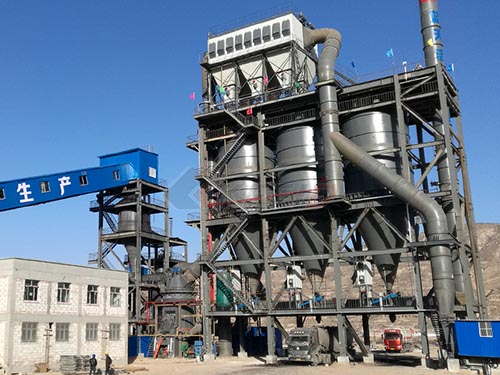
Recyclage intégré du parc à scories des aciéries
Défi: Un important producteur d’acier est confronté à une augmentation des coûts de mise en décharge de ses scories de haut fourneau. Leur équipement existant souffrait de blocages quotidiens et nécessitait des changements de revêtement toutes les six semaines..
Solution: Réalisation d'une installation de concassage de scories en vrac clé en main dotée d'un VGF extra large et d'un concasseur à mâchoires primaire avec réglage hydraulique des réglages.
Résultats: Production constante de trois granulats classés vendus comme matière première d'additifs pour ciment. Coûts de mise en décharge réduits de plus de 500 000 € par an; durée de vie du revêtement prolongée à cinq mois.
Producteur indépendant de granulats
Défi: Une entreprise de granulats recherchait des produits à marge plus élevée, mais trouvait les coûts d'extraction du granit prohibitifs..
Solution: Installation d'une usine de concassage de scories en vrac de moyenne capacité utilisant une configuration d'impacteur optimisée pour la production de ballast ferroviaire hautement cubique.
Résultats: Entrée réussie sur le marché des agrégats industriels avec un ballast ferroviaire certifié répondant aux normes EN13450 à un coût d'exploitation nettement inférieur à celui du concassage traditionnel de roches dures..
7. CONSIDÉRATIONS COMMERCIALES
Les usines de concassage de scories en vrac sont proposées en trois niveaux principaux:
1. Usine de service standard (150300 TPH): Pour les transformateurs de petits volumes ou ceux qui manipulent des scories moins abrasives (par ex., certains non ferreux). Comprend des fonctionnalités de base telles que des revêtements en manganèse et un contrôle PLC de base.
2. Usine robuste (300600 TPH): La spécification la plus courante pour les aciéries intégrées. Comprend toutes les fonctionnalités de base ainsi que des systèmes automatisés de libération des tramps, une encapsulation complète de suppression de la poussière.
3. HauteCapacité / Usine personnalisée (>600 TPH): Pour les processeurs majeurs nécessitant plusieurs gammes de produits, des capacités de surveillance à distance d'automatisation avancées sont souvent incluses dans les circuits secondaires doubles..
Les fonctionnalités optionnelles incluent des détecteurs de métaux, des séparateurs magnétiques, des modifications de la manipulation des scories chaudes, des enceintes d'insonorisation, des packages de services étendus allant de la mise en service de base, des contrats de maintenance pluriannuels complets, y compris des inspections de main d'œuvre des pièces. Les options de financement, y compris la location d'équipement, des plans d'achat de location à long terme sont généralement disponibles auprès des institutions partenaires.
FAQ
Quels types de scories cette usine peut-elle traiter?
Les installations sont conçues principalement pour les laitiers de convertisseur BOF LD de haut fourneau. Elles peuvent également traiter de nombreuses scories non ferreuses, du cuivre et du nickel, mais nécessitent une évaluation spécifique basée sur la composition de dureté. La teneur en humidité de la taille d'alimentation est un facteur déterminant critique.
Comment cette solution gère-t-elle la contamination métallique des clochards?
Une combinaison de séparateurs magnétiques VGF robustes installés sur le système hydropneumatique de libération des débris de la bande transporteuse au sein du concasseur lui-même offre une protection à plusieurs niveaux. Les données de terrain montrent que cette approche intégrée capture plus de % métaux incassables évitant des dommages catastrophiques
Quel est le calendrier typique de mise en service de l'installation?
Pour l'installation d'une usine modulaire montée sur châssis, la mise en service peut être effectuée dans les semaines suivant la préparation du site, les travaux de fondation. Les plus grandes usines stationnaires conçues sur mesure nécessitent des mois d'intégration complète dans l'infrastructure existante. Notre gestion de projet fournit un calendrier détaillé avant la commande.
Les pièces de rechange sont-elles facilement disponibles?
Oui Les pièces d'usure critiques, les revêtements de mâchoires, les roulements sont normalisés et sont détenus par un réseau mondial de distribution des stocks régionaux. Les accords de niveau de service garantissent la disponibilité des pièces de rechange critiques en quelques heures et jours en fonction de l'emplacement, minimisant ainsi les temps d'arrêt potentiels.
L'équipement existant peut-il être intégré dans une nouvelle usine?
L'intégration possible dépend de l'âge des systèmes de contrôle de compatibilité. Les intégrations courantes incluent les récupérateurs d'empileurs existants, les unités de criblage du produit final, les parcours de convoyeurs préexistants. L'évaluation technique est requise pour déterminer la faisabilité, le coût et les avantages de la modernisation par rapport à un nouvel équipement.