
Usine d'assemblage d'extraction de gravier de sable sur mesure
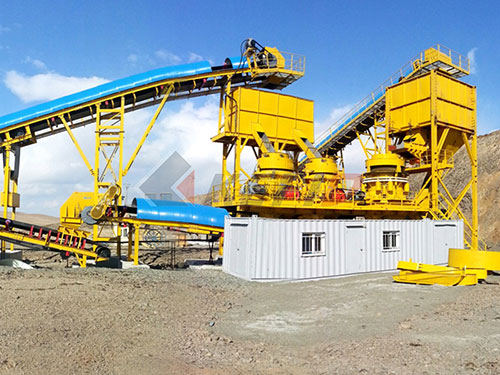

1. OUVERTURE ENTRAÎNÉE PAR POINT DE DOULEUR
Are you managing a sand and gravel operation where inconsistent feed material, temps d'arrêt excessif, et la hausse des coûts opérationnels érode vos marges? The challenges of a traditional fixed plant are welldocumented: inflexible layouts that cannot adapt to changing deposit profiles, lengthy setup times that delay production, and high maintenance costs from component wear due to unprocessed oversize material. How much revenue is lost each season during plant relocation and reassembly? What is the true cost of unscheduled downtime caused by crusher blockages or conveyor failures? How can you improve your yield of spec product from variable pit material without constant manual intervention? The solution lies in moving from a static setup to a purposeengineered, système modulaire.
2. APERÇU DU PRODUIT
The Bespoke Sand & Gravel Mining Assembly Plant is a fully modular, semimobile processing system engineered for the specific demands of aggregate extraction. It is not a single machine but an integrated circuit of preengineered modules that can be rapidly configured onsite. Le flux de travail opérationnel est rationalisé: (1) Primary feeding and scalping to remove deleterious oversize; (2) Primary crushing and initial sizing; (3) Secondary screening and classification; (4) Tertiary crushing/sanding circuit (si configuré); (5) Final sorting and stockpiling. This plant is designed for commercialscale sand and gravel pits, dépôts alluviaux, and construction aggregate recycling operations. Its primary limitation is its designed maximum feed size and hourly tonnage capacity, which are specified during the engineering phase to match your reserve characteristics.
3. CARACTÉRISTIQUES PRINCIPALES
Conception modulaire PlugandPlay | Base technique: Monté sur patins, prewired/piped modules with standardized connection interfaces | Avantage opérationnel: Enables site relocation in days versus weeks, minimizing nonproductive time between pits | Impact sur le retour sur investissement: Reduces redeployment costs by up to 60% and accelerates revenue generation from new deposits.
Intelligent PreScalping Module | Base technique: Highgrizzly or robust vibrating grid section with bypass chute | Avantage opérationnel: Removes +150mm oversize and natural debris before the primary crusher, eliminating a major source of jams and wear | Impact sur le retour sur investissement: Lowers crusher liner replacement costs by an estimated 30% and reduces blockagerelated downtime.
Contrôle de processus centralisé & Télémétrie | Base technique: SCADAbased control panel with remote monitoring sensors on critical components | Avantage opérationnel: Your plant manager can monitor throughput, consommation d'énergie, and bearing temperatures from a central location, enabling predictive maintenance | Impact sur le retour sur investissement: Empêche les pannes catastrophiques, reduces onsite troubleshooting time, and optimizes power consumption per ton.
Réglage hydraulique & Tramp Relief Systems | Base technique: Hydrosetstyle crusher adjustment and automatic hydraulic release on jaw crushers | Avantage opérationnel: Operators can adjust product sizing or clear a cavity blockage in minutes without manual shimming or downtime | Impact sur le retour sur investissement: Maintains consistent product gradation and improves overall plant availability by approximately 57%.
CorrosionResistant Material Handling | Base technique: Abrasionresistant steel liners in hoppers/chutes and UVstabilized rubber on key conveyor belts | Avantage opérationnel: Withstands the abrasive nature of sand/gravel slurry and wet processing environments, prolonger la durée de vie des composants | Impact sur le retour sur investissement: Defers capital replacement cycles for wear parts by 2040%, en fonction de l'application.
4. AVANTAGES CONCURRENTIELS
| Mesure de performances | Norme de l'industrie (Installation fixe) | Bespoke Assembly Plant Solution | Avantage (% amélioration) |
| : | : | : | : |
| Site Deployment Time| 46 weeks for foundation & assemblée| 710 days for module interconnection| ~75% faster deployment |
| Plant Relocation Flexibility| Limité; often requires disassembly| Haut; modules are transported intact| Enables followonreserve mining |
| OversizeInduced Downtime| Frequent manual clearing required| Automated bypass & intelligent feed control| Field data shows ~40% reduction |
| Coût des pièces d'usure par tonne| Highly variable based on feed control| Controlled via mandatory prescalping| Démontré 2535% réduction |
5. SPÉCIFICATIONS TECHNIQUES
Plage de capacité: Configurable à partir de 150 à 600 tonnes par heure (TPH), depending on module selection.
Exigences d'alimentation: Integrated electrical distribution for 400V/50Hz or 480V/60Hz supply. Total connected load ranges from 350kW to 900kW.
Spécifications matérielles: Primary structural steel ST37; highwear areas use Hardox 450 or equivalent AR400 steel; options de supports d'écran en polyuréthane.
Dimensions physiques: Modules designed for standard road transport. Largest single module typically under 3.5m wide x 18m long.
Plage de fonctionnement environnementale: Conçu pour une température ambiante de 20°C à +45°C. Systèmes de suppression de poussière inclus en standard. Can be configured with heated/premium insulation packages for extreme climates.
6. SCÉNARIOS D'APPLICATION
Aggregate Producer with Multiple Pit Sites | Défi: A regional producer faced significant lost time and cost each time their fixed plant needed moving between depleted and new sites, ce qui entraîne plus de 6 weeks of nonrevenue generating activity per year. | Solution: Implementation of a bespoke modular assembly plant with five core processing modules. | Résultats: Plant relocation time between permitted sites reduced to an average of 12 jours. This increased annual operational availability by approximately 8%, directly contributing to higher yearly output without capital expenditure on additional fixed plants.
Sable & Gravel Dredging Operation | Défi: Variable feed material from a dredge containing large cobbles and organic debris caused chronic blockages in the primary crusher, requiring daily shutdowns for clearing and increasing maintenance labor by two fulltime equivalents. | Solution: Integration of an aggressive heavyduty prescalping module with a dedicated waste conveyor ahead of the crushing circuit in their bespoke plant design.| Résultats: Oversizerelated stoppages were reduced by over 90%. The operation reallocated maintenance labor to preventive tasks, achieving a more consistent feed rate and improving overall circuit efficiency by an estimated 15%.
7. CONSIDÉRATIONS COMMERCIALES
Pricing for a Bespoke Sand & Gravel Mining Assembly Plant is tiered based on throughput capacity and circuit complexity:
Étage 1 (150250 TPH): Base configuration focusing on core crushing/screening.
Étage 2 (250450 TPH): Includes enhanced prescreening, sand classification cyclones, or washing systems.
Étage 3 (450600 TPH+): Fully comprehensive circuits with multiple product splits, automatisation avancée, and water recycling plants.
Optional features include mobile primary units, magnet systems for metal contamination, noise encapsulation packages, and advanced telemetry data logging.
Service packages range from basic commissioning support to comprehensive annual maintenance contracts with guaranteed parts availability schedules.
Financing options include equipment leasing through partner institutions or milestonebased project financing for complete turnkey installations.
8. FAQ
1. How quickly can we modify the plant layout if our deposit characteristics change?
The modular nature allows for reconfiguration within days. For example, adding a washing screw or rerouting conveyors can be achieved by repositioning skidmounted units rather than cutting/welding structural steel.
2. What level of site preparation is required compared to a traditional fixed plant?
Site preparation is significantly reduced as no extensive concrete foundations are needed beyond simple levelling pads or sleeper arrangements for module stability.
3. Is the control system compatible with our existing fleet management software?
The SCADA system provides standard OPC data outputs that can typically be integrated into broader mine management platforms via established industrial communication protocols.
4. What are the lead times from order to commissioning?
Lead times vary by configuration complexity but are generally shorter than fixed plants due to parallel fabrication of modules—typically ranging from [Industry Standard Lead Time] months upon final design approval.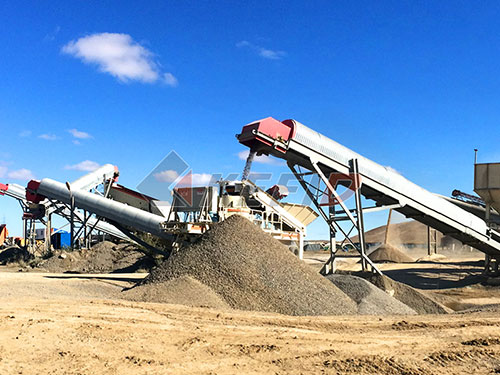
5. How does the operational cost per ton compare over a fiveyear period?
While initial investment may be comparable to some fixed systems industry testing demonstrates that savings in redeployment costs reduced downtime lower wear part consumption typically result in lower total cost ownership over five years particularly multisite operations
6 . Are these plants suitable regions strict environmental regulations noise dust?
Yes They designed incorporate enclosed conveyors covered screens integrated dust suppression spray systems Optional noise abatement kits available meet specific local decibel limits
7 . What happens one module requires major servicing?
The affected module isolated bypassed if possible allowing rest circuit continue operating limited capacity Individual skids transported offsite repair minimizing disruption overall production