
Concasseurs de barils
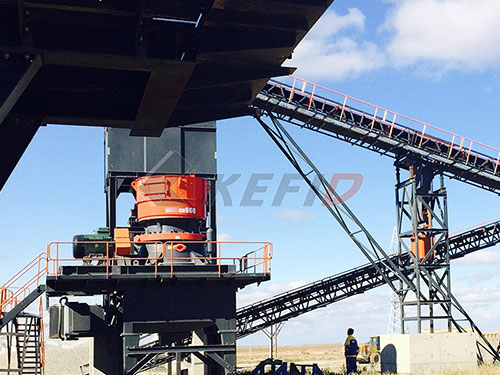

Concasseurs de barils: The Unsung Powerhouses of Industrial Waste Management & Resource Recovery
In the bustling landscape of industrial operations – from sprawling manufacturing plants and complex chemical refineries to essential waste management facilities and dedicated recycling centers – efficiency, sécurité, and environmental responsibility are paramount. Among the critical equipment enabling these goals stands a robust and often underappreciated machine: the Barrel Crusher. Far more than simple brute force devices, modern barrel crushers represent sophisticated engineering solutions designed to tackle a significant logistical and environmental challenge: the safe and efficient processing of empty steel or plastic drums and barrels.
The Scale of the Problem
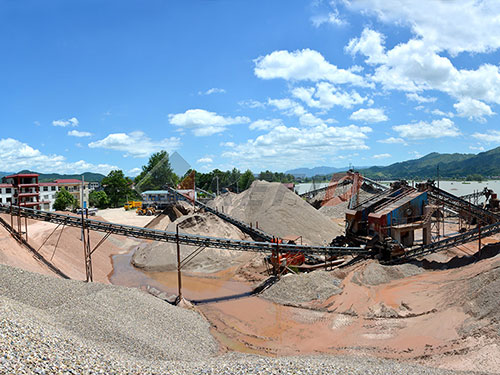
Consider the sheer volume generated globally. Industries rely heavily on drums – typically 55 US gallons (environ. 208 liters), though sizes vary – for transporting raw materials (oils, produits chimiques, solvents), finished products (peintures, lubrifiants), food ingredients, pharmaceuticals intermediates, and hazardous wastes awaiting disposal or treatment. Once emptied:
1. Space Consumption: Intact barrels occupy immense warehouse or yard space inefficiently.
2. Transportation Costs: Shipping air-filled containers wastes valuable trailer space and significantly increases freight costs.
3. Handling Hazards: Manual handling of bulky barrels poses ergonomic risks (strains/sprains) and potential exposure risks if residues remain.
4. Préoccupations environnementales: Improper disposal can lead to soil/water contamination; inefficient transport increases carbon footprint.
5. Security Risks: Empty drums can be misappropriated or become receptacles for unauthorized waste dumping.
6. Recycling Barriers: Intact barrels are cumbersome for scrap yards to process efficiently before shredding.
Barrel crushers directly address every one of these issues through powerful compaction.
Engineering Powerhouse: How Barrel Crushers Work
À leur base, barrel crushers leverage immense hydraulic force applied with precision:
1. Système hydraulique: The heart of the machine consists of high-pressure hydraulic pumps driving powerful cylinders.
2. Mécanisme de broyage: A heavy-duty pressing plate or ram generates crushing forces typically ranging from 25 tons up to well over 60 tonnes. This force is focused downwards onto the drum placed vertically within a sturdy containment chamber.
3. Containment Chamber: Designed for safety and debris control:
Prevents fragments from ejecting during crushing.
Often incorporates features like side access doors for loading/unloading.
May include liquid containment sumps if crushing potentially wet or residue-containing drums.
4.