
Where Do You Find Crusher Sand

The Essential Guide to Crusher Sand: Origins, Applications, and Sourcing Strategies
Crusher sand – also widely known as manufactured sand (M-Sand), crushed stone sand, or artificial sand – has become an indispensable resource in modern construction and industrial applications worldwide. Unlike naturally occurring river or pit sands formed over millennia by erosion and deposition, crusher sand is a precisely engineered product born from the deliberate fragmentation of hard rock formations using specialized machinery.
Understanding Crusher Sand at its Core
At its essence, crusher sand consists of angular particles typically ranging from fine dust up to approximately 4.75mm (No. 4 sieve size). Its defining characteristics stem directly from its manufacturing process:
1. Raw Material: Hard rock formations are the primary source material.
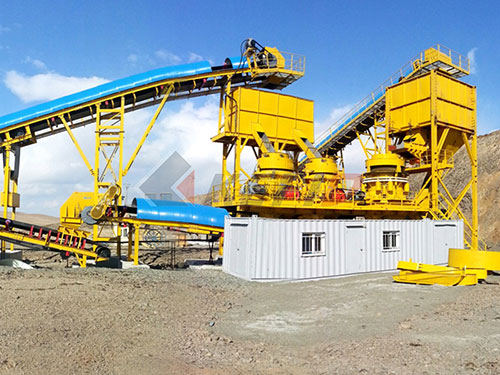
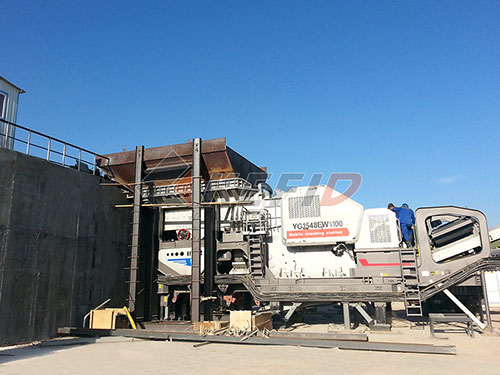
2. Crushing Process: Large rocks are fed into primary crushers (like jaw or gyratory crushers), breaking them into smaller chunks.
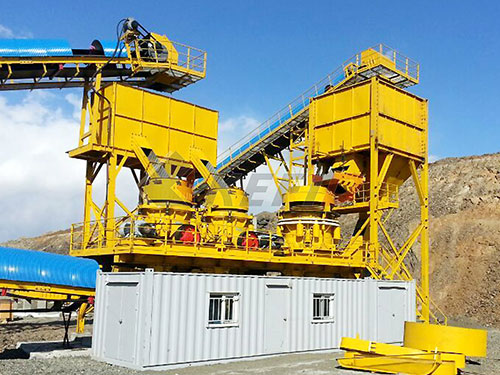
3. Secondary & Tertiary Crushing: Subsequent crushing stages using cone or impact crushers further reduce size and shape particles.
4. Screening & Grading: Crushed material passes through vibrating screens with specific mesh sizes to separate particles into desired fractions.
5. Washing (Optional): To remove excess fines or clay contaminants if required for specific applications.
This controlled process yields a product with distinct properties compared to natural sands:
Angular Particle Shape: Provides superior interlocking capabilities within concrete mixes or aggregate bases.
Controlled Gradation: Particle size distribution can be optimized during production for specific end uses.
Consistency & Purity: Free from organic impurities like silt or clay found in some natural sands; consistent quality batch-to-batch.
Higher Fines Content: Often contains more particles passing the 75-micron sieve than natural sands.
The Geological Hunt: Where Does Crusher Sand Originate?
The journey of crusher sand begins deep within the earth's crust:
1. Quarries - The Primary Source: Hard rock quarries represent the overwhelming majority source of raw material for high-quality crusher sand production:
Igneous Rocks: Granite is arguably the most common source globally due to its hardness and widespread availability producing durable angular grains ideal for concrete production; Basalt yields exceptionally strong sands often used in demanding infrastructure projects; Gabbro provides dense aggregates similar to basalt; Dolerite offers good strength properties.
Metamorphic Rocks: G