
Used Crusher Total Price In Argentina
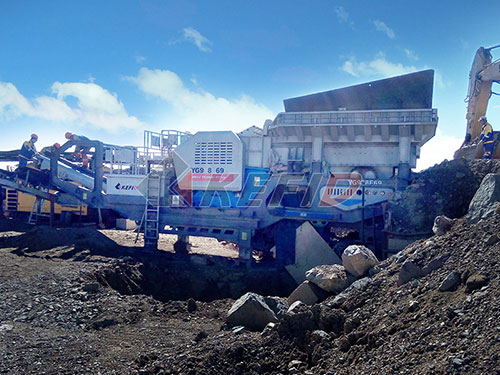

Navigating the True Cost of Used Crushers in Argentina's Dynamic Market
The rhythmic thud of rock meeting steel, the steady hum of a powerful diesel engine – these are the sounds of progress on an Argentine quarry site or mining operation. For project managers and procurement specialists facing budget constraints without compromising on reliability, used crushers present a compelling solution. However, understanding the total price of acquiring and operating such machinery in Argentina requires moving far beyond the initial sticker price. It demands a deep dive into a complex equation influenced by market volatility, logistical hurdles, regulatory frameworks, and operational realities unique to this resource-rich nation.
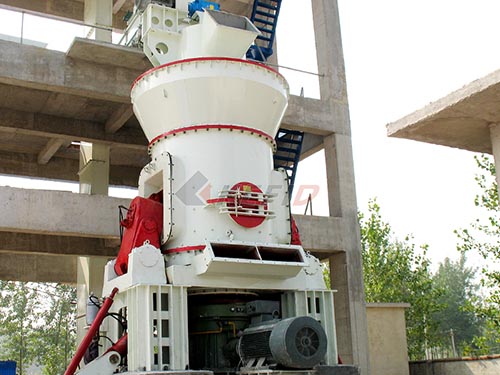
Beyond the Auction Listing: Deconstructing "Total Price"
The advertised price for a used jaw crusher (like a popular J-1170) or cone crusher (such as a TC-1000) might catch your eye on an international marketplace. Yet, this figure is merely the starting point. The true total cost encompasses a cascade of expenses:
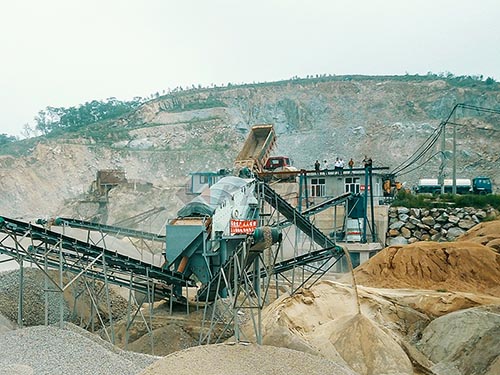
1. The Machine Itself (Base Price & Condition):
Model & Configuration: A high-demand primary jaw crusher like the J-1175 will command significantly more than an older secondary cone unit. Features like onboard prescreens (e.g., CR034 model variants) or magnet options add value.
Hours & Maintenance History: Low-hour machines (<5,000 hours) with verifiable service records from reputable sources are premium assets. Units exceeding 10,000 hours require thorough scrutiny and carry higher inherent risk.
Physical Condition: Wear parts status (liners, jaws, concaves), structural integrity (frame welds), hydraulic system health (pumps, cylinders), electrical system condition, and undercarriage wear are critical assessment points impacting immediate refurbishment costs.
Origin & Provenance: Units sourced directly from well-maintained operations in regions with similar operating conditions (e.g., Chile or Peru) often hold more value than those coming from vastly different environments.
2. The Argentine Import Equation: Duties and Taxes:
Customs Valuation: Argentine Customs (`Aduana`) determines the taxable value (`Valor en Aduana`). This is often based on the CIF (Cost, Insurance, Freight) value but can be adjusted if they deem the declared value too low. Professional customs brokerage is essential.
Import Duties (`Derechos de Importación`): The