
Sustainable Slag Crusher Plant Specification

1. PAINPOINT DRIVEN OPENING
Managing slag is a persistent bottleneck with tangible costs. Are you facing these operational challenges?
High Abrasion Costs: The extreme abrasiveness of steel, copper, or nickel slag rapidly wears out standard crusher components, leading to frequent downtime and excessive parts replacement budgets.
Unpredictable Feed & Bridging: Variable slag sizes and shapes cause bridging in the feed hopper, halting production and requiring dangerous manual intervention.
Inefficient Liberation: Inadequate crushing fails to fully liberate metallic fractions from the slag matrix, leaving recoverable value on the table and reducing your overall material ROI.
Dust & Environmental Control: Dry processing generates significant fugitive dust, creating health hazards, environmental compliance issues, and site cleanup costs.
Rigid Plant Integration: Inflexible equipment that cannot adapt to changing feed rates or final product specifications limits your operational agility.
If these issues are impacting your bottom line through lost throughput, high maintenance costs, and suboptimal material recovery, the specification of your slag processing equipment requires a targeted solution.
2. PRODUCT OVERVIEW: SUSTAINABLE SLAG CRUSHER PLANT
A Sustainable Slag Crusher Plant is a purposeengineered modular system designed for the primary and secondary reduction of metallurgical slag. Its core function is to process large slag lumps into a controlled, sized aggregate for further processing (metal recovery) or direct sale as a construction material.
Operational Workflow:
1. Feed & PreScreening: Slag is fed via loader into a robust hopper with grizzly sections to bypass fines.
2. Primary Size Reduction: A heavyduty jaw crusher or impact breaker reduces large lumps (up to 1000mm) to a manageable size (e.g., <150mm).
3. Metal Separation: An overhead magnetic separator extracts liberated ferrous metal from the crushed stream for recycling.
4. Secondary Crushing & Sizing: A cone crusher or impact crusher further processes the material to the precise final product size (e.g., 020mm).
5. Final Screening & Stockpiling: Vibrating screens classify the output; onspec material is conveyed to stockpiles while oversize is recirculated.
Application Scope: Processing of blast furnace (BF) slag, steel furnace (BOF/EAF) slag, nonferrous slags (copper, nickel), and ladle slags.
Key Limitation: Not designed for raw ore or extremely hard igneous rock; optimal performance requires feed material within defined hardness (Mohs scale) and moisture content parameters.
3. CORE FEATURES
HeavyDuty Wear Package | Technical Basis: Martensitic steel liners & ceramic inserts in critical wear zones | Operational Benefit: Increases wear life of liners, aprons, and impeller shoes by 6080% compared to standard manganese steel in highabrasion slag applications | ROI Impact: Reduces parts inventory cost and crusher downtime for liner changes by an estimated 3040% annually.
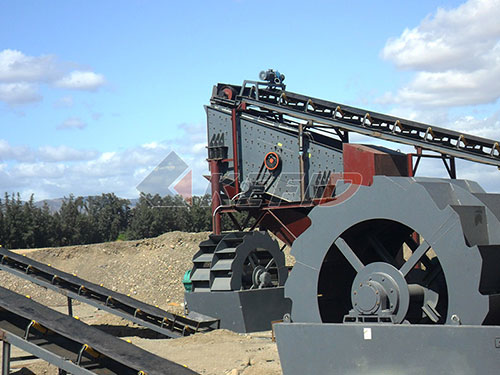
Active Feed Control System | Technical Basis: PLCcontrolled variable frequency drive (VFD) on feeder conveyor with load sensing | Operational Benefit: Automatically regulates feed rate based on crusher motor amperage, preventing overload and eliminating bridging | ROI Impact: Maximizes throughput capacity while reducing unplanned stoppages and operator intervention time.
Integrated Dust Suppression Circuit | Technical Basis: Pressurized spray nozzles at transfer points with solenoid valves tied to conveyor operation | Operational Benefit: Suppresses dust at source without overwetting material; maintains optimal moisture for dust control and downstream screening efficiency | ROI Impact: Lowers water consumption by up to 50% versus manual spraying and mitigates environmental noncompliance risks.
Modular “PlugandProcess” Design | Technical Basis: Preassembled modules on structural skids with integrated walkways and electrical connections | Operational Benefit: Reduces civil works foundation costs by up to 70% and shortens onsite installation time from weeks to days | ROI Impact: Faster commissioning accelerates project payback period.
Recirculating Load Optimization | Technical Basis: Closedloop design with screen deck feedback routing oversize back through secondary crusher | Operational Benefit: Ensures consistent final product gradation and maximizes system throughput efficiency | ROI Impact: Improves overall plant yield of inspec product by an estimated 1525%.
Centralized Greasing & Monitoring | Technical Basis: Automated lubrication system with central control panel bearing temperature sensors | Operational Benefit: Ensures critical bearings receive proper lubrication extends component life facilitates predictive maintenance scheduling | ROI Impact Lowers risk of catastrophic bearing failure reducing repair costs by thousands per incident
4. COMPETITIVE ADVANTAGES
| Performance Metric | Industry Standard | Sustainable Slag Crusher Plant Solution | Advantage (% improvement) |
|||||
| Liner Wear Life | Standard Manganese Steel | HighChrome/Martensitic Alloy Package | +70% |
| Tonnage per Maintenance Hour| Frequent stops for clearing/unjamming Active Feed Control & Optimal Chamber Design +35% throughput consistency |
| Dust Emissions at Transfer Points Manual spray bars or baghouses Integrated Pressurized Spray System 90% reduction vs. uncontrolled |
| OnSite Installation Time 812 weeks for fixed foundation plant Preassembled Modular Skids 60% |
| Metallic Liberation Rate Singlestage crushing often 95% liberation |
5. TECHNICAL SPECIFICATIONS
Capacity Range: Configurable from 50 TPH to over 400 TPH.
Feed Size Maximum: Up to 1000mm lump slag.
Final Product Size Range: Adjustable between 05mm sand substitute up to 040mm road base aggregate.
Power Requirements: Primary crushing circuit typically requires 150400 kW total installed power dependent on model capacity
Key Material Specifications:
Crusher Liners Highchrome iron martensitic steel
Conveyor Belting Minimum EP400/3 specification with abrasionresistant covers
Structural Steel Fabricated from S355JR grade steel
Physical Dimensions Modular skid dimensions vary; typical primary module L15m x W4m x H6m
Environmental Operating Range Designed for ambient temperatures from 20°C to +45°C with optional heating/cooling packages available Dust suppression system operational requirement water pressure >4 bar
6. APPLICATION SCENARIOS
Integrated Steel Mill Slag Yard Challenge Recovering metallic value from aged BOF slag stockpiles using mobile crushers was slow creating inconsistent product hindering sales Solution Deployment of a fixed Sustainable Slag Crusher Plant with highpower magnetic separation dedicated to stockpile reclamation Results Achieved consistent production of clean 20mm aggregate meeting road base specifications increasing sales volume by 200%; metal recovery paid for plant operation within first year
Copper Smelter Tailings Reprocessing Challenge Existing hammer mill circuit suffered excessive downtime due to abrasion poor dust control failing to meet environmental standards Solution Replacement with a closedcircuit conecrusher based Sustainable Slag Crusher Plant featuring enhanced wear package sealed transfer points Results Wear part lifecycle extended from weeks months achieving >95% uptime dust emissions reduced below permit levels
7 COMMERCIAL CONSIDERATIONS
Equipment pricing tiers are based on configured capacity core components:
Base Tier Standard Duty For processing lowerabrasion aircooled BF slag capacities up TPH includes standard wear liners basic dust control
Performance Tier Heavy Duty For highabrasion EAF stainless steel slags includes premium wear package active feed control advanced magnetic separation
Optional features include metal detector additional screening decks sound enclosures remote monitoring telemetry
Service packages range from annual inspection plans full preventive maintenance contracts including parts inventory management
Financing options include capital purchase finance lease operating lease structures tailored support project cash flow requirements
8 FAQ
What types of slag are suitable for this plant?
The plant is engineered primarily for ferrous slags BF BOF EAF nonferrous slags copper nickel It is less suitable for vitrified or extremely sticky slags without specific modifications
How does this system integrate with our existing metal recovery jigs or optical sorters?
The plant is designed as a preprocessing stage It delivers consistently sized clean aggregate optimal downstream separation efficiency Standard discharge conveyors heights can be specified match your existing equipment feed points
What are the expected operating costs per ton?
Operating costs vary significantly based local power rates labor structure abrasive nature your specific slag Industry data indicates wellconfigured plant can achieve operating cost range $1 $3 per ton processed inclusive power maintenance wear parts
What is the typical delivery lead time after order?
For standard modular configurations lead time typically months from order confirmation including manufacturing factory acceptance testing Nonstandard configurations may require additional engineering time
Do you provide performance guarantees?
Yes we offer guaranteed minimum throughput capacity final product gradation based agreed feed material characteristics These are validated during commissioning period
What training provided for our operations maintenance teams?
We provide comprehensive onsite training covering safe operation routine maintenance troubleshooting procedures Documentation includes detailed manuals parts lists schematic diagrams
Can the plant be relocated if needed?
Yes modular skidmounted design allows disconnection relocation new site significantly reducing redeployment costs compared fixed foundation plants