
Sustainable Gold Ore Crushing Equipment Brochure


H1: Sustainable Gold Ore Crushing Equipment: Engineered for High Recovery and Low Operational Cost
1. PAINPOINT DRIVEN OPENING
Are your gold processing operations constrained by crushing bottlenecks that directly impact your bottom line? Common challenges in primary and secondary gold ore crushing include:
High Abrasion Costs: Hard, abrasive ores with high silica content rapidly degrade crusher liners, leading to frequent, costly shutdowns for maintenance and parts replacement.
Inconsistent Feed & Throughput: Fluctuations in feed size and hardness cause chokefeeding or erratic performance, reducing overall plant throughput and complicating downstream process stability.
Poor Liberation & Excessive Fines: Incorrect crushing dynamics can generate an excess of fine material ("slimes") that is difficult to process via cyanidation or flotation, potentially trapping gold and lowering overall recovery rates.
Energy Intensity: Older crushing technology often operates at fixed, inefficient settings, consuming excessive power per ton of ore processed without optimizing for product size distribution.
Unscheduled Downtime: Mechanical failures or unplanned liner changes halt the entire processing chain, resulting in significant lost production revenue.
How do you select a crushing solution that addresses these specific challenges while delivering measurable improvements in availability, recovery yield, and cost per ton?
2. PRODUCT OVERVIEW
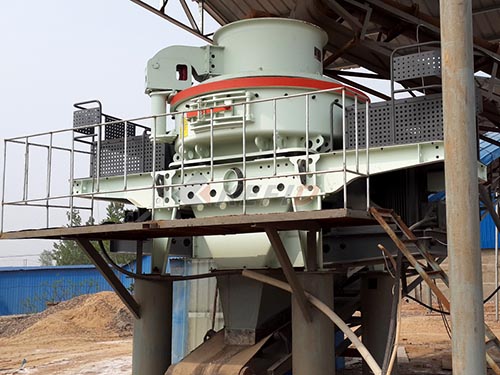
Our sustainable gold ore crushing equipment comprises a range of heavyduty jaw crushers and cone crushers specifically configured for the demanding requirements of gold mining operations. The operational workflow is designed for reliability and optimal size reduction:
1. Primary Crushing: A robust jaw crusher accepts runofmine (ROM) ore, reducing it to a manageable size (typically 150200mm) with high nip angles to handle slabby material.
2. Secondary Crushing: A cone crusher takes the primary crushed product for further reduction. Advanced chamber designs and automation ensure consistent output for optimal grinding circuit feed.
3. Size Control & Scalping: Integrated vibrating grizzlies and screens remove fines prior to secondary crushing where applicable, improving efficiency and reducing unnecessary wear.
Application Scope: This equipment is engineered for hard rock gold ores (lode deposits), including sulphidebearing ores. It is suitable for both stationary plant installations and modular plant designs.
Limitations: These units are not designed for alluvial/placer claybound material without prior scrubbing/sizing. Maximum feed size is determined by the specific primary crusher model.
3. CORE FEATURES
Patented Liner Geometry | Technical Basis: Finite Element Analysis (FEA) optimized wear profiles | Operational Benefit: Achieves more consistent product gradation throughout the liner life, extending service intervals by up to 30% | ROI Impact: Reduces liner inventory costs and labor hours for changes, increasing crusher availability
Hydroset & Automation System | Technical Basis: Hydraulic adjustment and clearing with PLCbased control logic | Operational Benefit: Allows operators to adjust the closedside setting (CSS) under load in minutes for precise product size control | ROI Impact: Maintains optimal throughput and size distribution for downstream recovery processes; minimizes downtime for mechanical adjustments
MultiPoint Lubrication System | Technical Basis: Centralized, programmable greasing to all critical bearings | Operational Benefit: Ensures even lubrication distribution under highload conditions, preventing premature bearing failure | ROI Impact: Eliminates manual lubrication points, reduces bearingrelated failures by an industrytested 25%, lowering maintenance costs
Hybrid Steel Castings | Technical Basis: Highchrome martensitic steel alloys in highwear areas combined with tough carbon steel frames | Operational Benefit: Provides exceptional abrasion resistance where needed while maintaining structural integrity against shock loads | ROI Impact: Balances initial part cost with total lifespan, delivering a lower costpertoncrushed over the liner's service life
Tramp Release & Clearing | Technical Basis: Hydraulic overload protection system with automatic reset | Operational Benefit: Prevents catastrophic damage from uncrushable material by instantly releasing the chamber; allows fast clearing of stalled cavities | ROI Impact: Avoids costly repairs to shafts and frames; reduces downtime from tramp metal events from hours to minutes
EnergyEfficient Drive Design | Technical Basis: Direct Vbelt or direct drive configurations paired with highefficiency motors | Operational Benefit: Transmits more power directly to the crushing action with lower mechanical losses compared to traditional bushing crushers | ROI Impact: Field data shows a 515% reduction in energy consumption per ton of ore crushed
4. COMPETITIVE ADVANTAGES
| Performance Metric | Industry Standard Benchmark | Our Gold Ore Crushing Solution Documented Advantage |
| : | : | : |
| Liner Life (Abrasive Ore) | Baseline (100%) Up to 30% improvement Extends campaign life |
| Availability (Scheduled Runtime) ~92% >96% Reduces lost production time |
| Power Consumption per Ton kWh/Ton Baseline Up to 15% lower Direct operational cost savings |
| Product Fines (10mm) Generation Variable; often high Controlled optimization Minimizes gold lockup in slimes |
| Mean Time Between Failure (MTBF) Standard interval Documented 20% increase Higher reliability |
5. TECHNICAL SPECIFICATIONS
Capacity Range: 200 2,500 tonnes per hour (dependent on model configuration and ore characteristics).
Power Requirements: Primary crushers from 90400 kW; Secondary cone crushers from 75600 kW. All compatible with standard mine site HV power supply.
Material Specifications: Main frame fabricated from stressrelieved steel plate; Liners manufactured from proprietary T alloy steel (1823% Chrome); Shafts forged from highstrength alloy steel.
Physical Dimensions (Example Cone Crusher): Approx. Length: 4.2m, Width: 3.1m, Height: 3.8m; Weight ~35,000 kg.
Environmental Operating Range: Designed for ambient temperatures from 25°C to +50°C; dustsealed bearings and components standard for harsh mining environments.
6. APPLICATION SCENARIOS
Hard Rock Underground Mine Expansion Challenge Required increased processing throughput without expanding footprint or primary ventilation load due to harder ore at deeper levels.
Solution Installation of a highercapacity jaw crusher with our hybrid liner system paired with an automated cone crusher featuring advanced chamber geometry.
Results Achieved a 22% increase in sustained throughput at the required product size; liner life improved by 18%, aligning changeouts with planned maintenance cycles.
Refractory Sulphide Ore Processing Challenge Needed finer secondary crush product (P80 of 12mm vs. previous 19mm) to improve downstream grinding efficiency and liberation for a pressure oxidation circuit without generating excessive fines.
Solution Implementation of multicylinder hydraulic cone crushers with precise hydroset control and interstage screening.
Results Delivered consistent P80 of 12mm while reducing fines generation by approximately 8%, contributing to a documented improvement in overall gold recovery in the subsequent hydrometallurgical process.
7. COMMERCIAL CONSIDERATIONS
Our sustainable gold ore crushing solutions are offered under flexible commercial models:
Equipment Pricing Tiers: Based on capacity requirements—Standard Duty (up to 500 tph), Heavy Duty (5001500 tph), and Ultra Duty (1500+ tph) configurations.
Optional Features: Remote monitoring telematics packages, automated wear part measurement systems, advanced motor soft starters/VFDs.
Service Packages: Tiered offerings include Basic Warranty (<12 months), Extended Support Plans (parts + labor coverage), FullService Maintenance Contracts including liner changes.
Financing Options: Available through partner institutions including equipment leasing capital expenditure solutions or project financing structures tailored to mine development timelines.
8. FAQ
Q1: Is this equipment compatible with our existing screening circuit?
Yes. Our engineering team can review your current plant layout flow sheet specifications provide interface recommendations ensure proper integration feed conveyors chutes electrical controls.
Q2 What is expected impact on our overall plant recovery rate?
While dependent on total process design primary benefit lies delivering consistently sized optimal crush product your grinding leaching circuits Field data indicates plants have reported recoverable efficiency gains up several percentage points due improved liberation reduced slimes generation.
Q3 How does warranty support work remote sites?
We offer comprehensive global parts service network Standard warranty covers defects materials workmanship Extended service plans include expedited parts delivery priority technical support site visits based agreed response times.
Q4 Can you provide detailed operating cost projections?
Yes Our proposals include detailed total cost ownership models factoring estimated power consumption liner wear rates labor costs based your specific ore characteristics target throughput These are developed using historical performance data similar applications.
Q5 What lead time expected delivery installation?
Lead times vary model complexity Current standard range months exworks We offer modular skidmounted options reduce onsite installation time civil works required
Q6 Are training manuals provided our operations maintenance teams?
Complete documentation supplied including operation manuals parts books detailed maintenance procedures We also recommend conduct onsite training commissioning ensure your team achieves proficiency quickly
Q7 Do you offer performance guarantees?
We provide guaranteed rated capacity based agreed feed material specifications product size Guarantees are formalized within commercial contract following thorough review your ore test data