
Stone Crusher Plant Suppliers Competitive Price

1. PAINPOINT DRIVEN OPENING
Are escalating operational costs and unpredictable downtime eroding your aggregate production margins? For plant managers and engineering contractors, the core challenges in primary crushing often center on three critical areas:
Unscheduled Downtime: Bearing failures, unexpected wear part changes, and mechanical breakdowns halt your entire downstream process. Every hour of lost production can represent thousands in lost revenue and idle labor costs.
Inconsistent Throughput & Product Shape: Fluctuating feed material hardness and size can cause chokefeeding or cavitation, leading to suboptimal tonnage and poor particle shape that affects secondary crushing efficiency and final product value.
SkyHigh Maintenance Complexity & Costs: Traditional designs require extensive manual adjustment, frequent lubrication interventions, and lengthy procedures for wear part replacement, demanding significant skilled labor hours.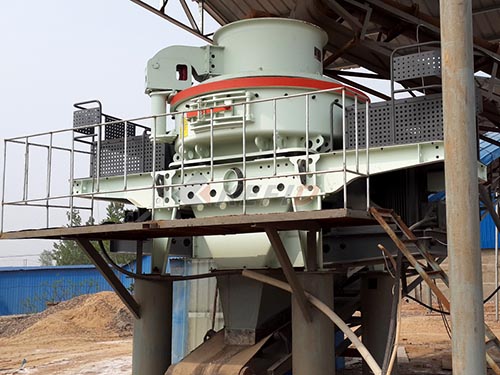
How do you select a primary stone crusher plant that delivers not just raw power, but predictable performance, simplified maintenance, and a demonstrable return on investment? The solution requires a focus on engineered reliability and operational intelligence.
2. PRODUCT OVERVIEW: PRIMARY JAW CRUSHER STATION
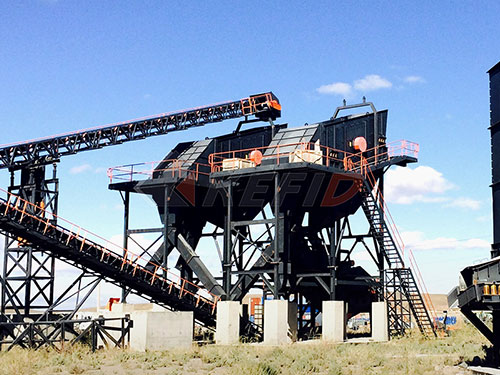
This product description details our heavyduty mobile primary jaw crusher plant, engineered for the first stage of rock reduction in quarrying, mining, and demolition recycling applications. The plant is designed as a selfcontained crushing station for processing hard abrasive materials like granite, basalt, and recycled concrete.
Operational Workflow:
1. Feed: Dump trucks or wheel loaders deposit runofquarry material (up to specified feed size) into the vibrating grizzly feeder (VGF).
2. PreScreen & Crush: The VGF removes fines from the feed stream via a bypass chute while directing oversize material evenly into the robust jaw crusher cavity.
3. Primary Reduction: The jaw crusher utilizes compressive force to break large rocks into smaller fragments (typically 150mm 200mm).
4. Discharge: Crushed material is discharged onto the main product conveyor for transport to the next stage or a stockpile.
Application Scope & Limitations:
Scope: Ideal for primary crushing of hard rock (Compressive Strength > 250 MPa), blasted quarry stone, construction demolition waste, and river gravel.
Limitations: Not suitable for sticky, clayrich materials without preprocessing. Maximum feed size is fixed by crusher inlet dimensions; oversize rock requires preblasting or breaking.
3. CORE FEATURES
Deep Chamber Jaw Design | Technical Basis: Optimized nip angle and longer crushing zone | Operational Benefit: Increases capacity by up to 10% versus standard chambers and produces a more consistent product gradation with less slabby output. | ROI Impact: Higher throughput per fuel/power unit consumed improves costperton metrics.
Hydraulic Toggle & Adjustment System | Technical Basis: Replaces traditional mechanical toggle plates with a dualacting hydraulic cylinder. | Operational Benefit: Enables remote clearing of chamber blockages in minutes instead of hours and allows quick CSS adjustment under load for product size changes. | ROI Impact: Reduces downtime from tramp metal events by over 80% and minimizes noncrushing time during product changeovers.
Integrated HeavyDuty Grizzly Feeder | Technical Basis: Stepped grizzly bars with high stroke amplitude. | Operational Benefit: Effectively scalps fines to reduce crusher cavity packing while handling severe impact from direct truck dumping. | ROI Impact: Improves overall plant efficiency by up to 15% by optimizing crusher load and protecting belts from fines spillage.
PLCBased Plant Control System | Technical Basis: Centralized control panel with CANBUS communication monitoring key parameters (power draw, pressure, temperature). | Operational Benefit: Provides operators with realtime diagnostics, historical trend data for predictive maintenance, and automated startup/shutdown sequences. | ROI Impact: Lowers risk of catastrophic failure through early warning alerts and standardizes operation to reduce human error.
Unified Greasing System & Service Platforms | Technical Basis: Centralized lube points routed to groundlevel access with automated timerbased greasing options. | Operational Benefit: Cuts routine service time by half by eliminating the need to access multiple highpoint bearings individually during daily checks. | ROI Impact: Reduces scheduled maintenance labor costs and enhances technician safety.
4. COMPETITIVE ADVANTAGES
| Performance Metric | Industry Standard | Our Primary Jaw Crusher Solution | Advantage (% improvement) |
| : | : | : | : |
| Wear Part Life (Mn18/22 Jaws) | ~120,000 MTon (Abrasive Granite) | ~150,000 MTon (Abrasive Granite) | +25% Extended Life |
| Chamber Clearance Time (Blockage)| Manual / Mechanical; 24 hours average| Hydraulic Toggle; <15 minutes typical| 90% Downtime Reduction |
| Average Power Consumption per Tonne| Baseline Reference| Up to 8% lower due to optimized kinematics & chamber design| 8% Energy Efficiency|
| Daily WalkAround Inspection Time| ~45 minutes (multiple access points)| ~25 minutes (centralized systems & platforms)| 44% Labor Time |
5. TECHNICAL SPECIFICATIONS
Crusher Model: JC145 HeavyDuty Jaw Crusher
Feed Opening: 1400mm x 1100mm
Maximum Feed Size: 1000mm edge length
Closed Side Setting (CSS) Range: 150mm 250mm (hydraulically adjustable)
Capacity Range: Up to 750 MTPH, dependent on feed material and CSS.
Power Plant Options: Tier 4 Final / Stage V dieselelectric hybrid or direct electric drive (400V/50Hz or customizable).
Total Installed Power: ~440 kW
Main Conveyor: Belt width 1400mm; discharge height adjustable up to 5m.
Frame Construction: Hightensile steel plate with reinforced stress zones; abrasionresistant liners at impact points.
Operating Temperature Range: 25°C to +45°C with standard fluid packages.
Capacity based on crushed granite with bulk density 1.6 t/m³.
6. APPLICATION SCENARIOS
Hard Rock Quarrying – Granite Aggregate Production
Challenge: A granite quarry faced excessive downtime from uncrushable material causing shearpin failures on their old jaw crusher. Replacement procedures took a full shift each occurrence.
Solution: Implementation of our mobile primary jaw crusher plant featuring the hydraulic toggle system for automatic uncrushable material release.
Results: Elimination of shearpin related stoppages. Chamber clearing events now resolved in under 20 minutes versus 8+ hours previously, increasing annual available production time by an estimated ~300 hours.
Large Infrastructure Project – OnSite Basalt Processing
Challenge: A major highway project required consistent highvolume production of base materials across multiple work fronts within a tight schedule.
Solution: Deployment of two identical primary jaw crusher plants with PLC control systems for consistent operation by different crews.
Results: Achieved sustained throughput of >700 MTPH per plant with matched product gradation from both sites due to precise hydraulic CSS control. Project completed aggregate production phase two weeks ahead of schedule.
7. COMMERCIAL CONSIDERATIONS
Our primary jaw crusher plants are offered in clear pricing tiers based on configuration:
1. Base Plant Tier: Includes core jaw crusher station with basic grizzly feeder, main conveyor, dieselelectric power pack, and walkway platforms.
2. Performance Tier (Most Common): Adds hydraulic CSS adjustment & blockage clearing system, integrated metal detector on feeder belt PLC control system with advanced diagnostics.
3. Premium Tier: Includes all Performance features plus extended service packages remote telematics gateway automated central greasing system upgraded heavyduty wear liners throughout
Optional features include dust suppression systems magnetic cross belt separator various side conveyor configurations
We offer comprehensive service packages ranging from annual inspection plans to fullsite operationandmaintenance contracts Financing options including equipment leasing rentaltoown agreements are available through our partners
FAQ
Q1 Is this stone crusher plant compatible with my existing secondary cone crushers screen decks?
Our plants are designed as modular units Standard discharge heights conveyor widths can be configured match most common downstream equipment layouts We provide detailed interface specifications facilitate integration
Q2 What is the expected impact on my operational labor requirements?
Field data shows these plants reduce daily inspection time simplify routine tasks However we recommend initial training focused on utilizing PLC data predictive maintenance rather than reactive repairs potentially reallocating labor resources
Q3 How does pricing compare traditional stationary primary crushing setup?
Initial capital outlay may be comparable highly engineered stationary foundations conveyors However total installed cost often lower due reduced civil works mobility offers significant value projects requiring relocation
Q4 What are standard commercial terms delivery lead times?
Standard terms involve progress payment against manufacturing milestones Lead times typically range from weeks depending model complexity current order backlog confirmed upon project specification
Q5 What level site preparation required before installation?
A stable compacted level working platform sufficient bearing capacity support total plant weight required Unlike stationary plants extensive concrete foundations not necessary reducing site preparation time cost
Q6 Can you provide performance guarantees?
Yes we offer guaranteed capacity wear part life metrics based specific agreedupon feed material laboratory analysis These form part commercial agreement ensure performance meets your production targets