
Stone Crusher Machine Producers Inspection
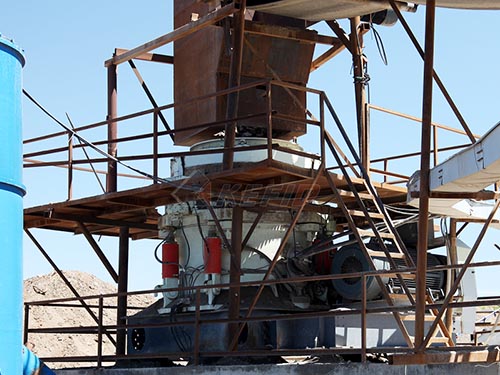

Optimizing Primary Crushing Operations: A Technical & Commercial Analysis
Are you managing unpredictable feed material that causes frequent chokeups and unplanned downtime? Are your maintenance costs for wear parts and unscheduled repairs eroding your plant's profitability? Is achieving consistent product gradation a constant battle, leading to rejected loads or reprocessing? For plant managers and engineering contractors, these aren't just operational headaches—they are direct hits to your bottom line. How can you improve crusher availability beyond 92%? What would a 30% reduction in costperton processed mean for your annual budget? The solution lies not just in a machine, but in a engineered system designed for total cost of ownership.
Product Overview: HighCapacity Primary Jaw Crusher
This product is a heavyduty, singletoggle jaw crusher engineered for the primary crushing stage in mining, quarrying, and largescale construction recycling. Its design focuses on reducing runofmine or quarryrun material to a consistent, manageable size for downstream processing.
Operational Workflow:
1. Feed Intake: Large feed material (up to 1.5m edge length) is directed into the deep, nonchoking crushing chamber from a vibrating grizzly feeder.
2. Compressive Crushing: The robust, oscillating jaw plate applies intense compressive force against the fixed jaw, fracturing rock along its natural cleavage lines.
3. Discharge Setting: The crushed material exits at the bottom aperture, with particle size precisely determined by the hydraulically adjustable closedside setting (CSS).
4. Material Ejection: The aggressive stroke pattern and chamber design promote positive discharge, preventing material packing and promoting throughput.
Application Scope & Limitations:
Scope: Ideal for hard abrasive rock (granite, basalt), mediumhard stone (limestone), and reinforced concrete demolition debris. Serves as the first stage in multistage crushing circuits.
Limitations: Not suitable for wet, sticky materials without prescreening; not designed for final product shaping or ultrafine grinding.
Core Features: Engineered for Reliability & Output
Our primary jaw crusher incorporates specific engineering solutions to address common crushing station failures.
Aggressive Stroke Profile | Technical Basis: Optimized kinematics & high inertia flywheels | Operational Benefit: Ensures positive bite and efficient reduction per cycle, reducing cycle count for same output | ROI Impact: Higher throughput (tph) with same power draw lowers energy cost per ton
Hydraulic Toggle & Adjustment System | Technical Basis: Dualacting hydraulic cylinders replace mechanical toggle plates | Operational Benefit: Enables remote CSS adjustment and provides automatic tramp iron release | ROI Impact: Eliminates downtime from stuck crushers; allows quick product size changes without manual intervention
Composite Jaw Plate Design | Technical Basis: Highstrength steel backing with bonded zirconiareinforced manganese wear surface | Operational Benefit: Extends service life by 4060% over standard manganese; reduces frequency of plate rotation/change | ROI Impact: Direct reduction in wear part inventory costs and labor hours for replacement
Integrated Dust Suppression Manifold | Technical Basis: Pressurized water spray nozzles integrated into feed inlet | Operational Benefit: Effectively controls dust at the point of generation without impeding material flow | ROI Impact: Mitigates health/safety risks; reduces cleanup costs and environmental compliance liabilities
Centralized Automated Greasing System | Technical Basis: Programmable pump delivering precise grease volume to all bearing points | Operational Benefit: Ensures optimal lubrication intervals are maintained without operator reliance | ROI Impact: Prevents catastrophic bearing failure; extends major component life by up to 25%
Competitive Advantages at a Glance
| Performance Metric | Industry Standard Benchmark | Our Primary Jaw Crusher Solution | Documented Advantage |
| : | : | : | : |
| Mechanical Availability (Scheduled) | 90 92% | 94 96% | +4% uptime |
| Cost Per Ton (Wear Parts Only) | $0.85 $1.10 / ton | $0.55 $0.70 / ton | ~35% reduction |
| Power Consumption (kW/tph) @ CSS 150mm| ~0.85 kW/tph| ~0.72 kW/tph| ~15% improvement |
| Mean Time Between Failure (Major) | ~6,000 hours| >8,500 hours| +40% reliability |
Technical Specifications
Capacity & Rating: Throughput range from 350 to 1,200 metric tons per hour (tph), dependent on feed material and closedside setting.
Power Requirements: Main drive powered by a 150 kW to 315 kW (200 HP to 425 HP) electric motor; standard supply voltage of 400V/50Hz or customizable.
Material Specifications: Main frame constructed from welded steel plate (minimum yield strength 355 MPa); jaw plates are ZGMn22Cr with ceramic inserts; shaft is forged from EN24T alloy steel.
Physical Dimensions: Approximate footprint of L8.5m x W3.2m x H3.8m; shipping weight between 45,000 kg and 70,000 kg depending on model.
Environmental Operating Range: Designed for ambient temperatures from 20°C to +45°C; dust protection rating of IP55 for electrical components.
Application Scenarios
Granite Quarry Operation
Challenge: A large granite quarry faced excessive downtime due to tramp metal events from drill bits and hammer tips, causing catastrophic damage to the crusher's toggle mechanism.
Solution: Implementation of our primary jaw crusher with a full hydraulic toggle system.
Results: Three tramp metal events in the first year were cleared automatically within minutes via remote operation. This prevented an estimated 36 hours of downtime per event previously required for cutting torch extraction and repair.
Urban Construction Recycling Plant
Challenge: Processing demolished reinforced concrete created inconsistent product gradation due to rebar mesh causing "stringering," leading to poor performance in secondary impact crushers.
Solution: Installation of our unit with an aggressive stroke profile and composite jaw plates configured for slab breaking.
Results: Product gradation consistency improved by over 60%, measured by standard deviation of topsize output. Secondary crusher throughput increased by 18% due to more uniform feed.
Commercial Considerations
Equipment pricing is structured around three core tiers based on capacity and feature sets:
1. Standard Duty Tier ($350k $550k): For consistent feed materials like limestone; includes base model with manual adjustment and standard lubrication.
2. Heavy Duty Tier ($550k $850k): For abrasive hard rock applications; includes composite jaw plates, automated greasing system, and hydraulic adjustment as standard.
3. Premium Process Tier ($850k+):) Full plant integration package including PLC control interface with feed rate optimization logic and predictive maintenance monitoring sensors.
Optional features include onboard weighing systems for realtime throughput measurement or special alloy components for highly corrosive environments.
Service packages range from basic preventive maintenance plans up to comprehensive performance contracts guaranteeing maximum costperton metrics over a multiyear term.
Financing options include traditional capital equipment leasing as well as innovative "tons crushed" financing models where payments correlate directly with machine utilization.
Frequently Asked Questions
Q1: Is this primary jaw crusher compatible with my existing secondary cone crusher circuit?
Yes. The hydraulically adjustable CSS allows precise control of your primary crushed product size (250mm typical), which is critical as feed optimization for most secondary cone crushers improves their efficiency by up to 15%.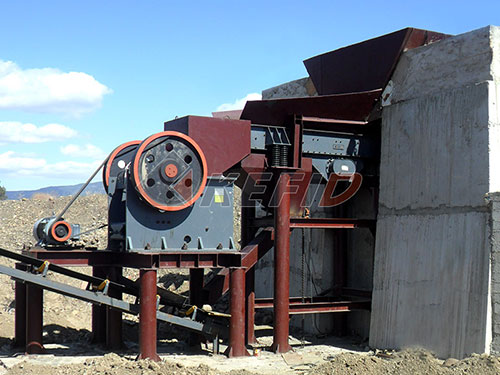
Q2: What is the expected operational impact during installation?
For a greenfield site, installation follows standard civil works timelines (~46 weeks). For retrofit into an existing line using our modular frame design requires planned downtime typically between 710 days including foundation modifications if necessary.
Q3: How does the composite jaw plate affect longterm operating costs?
While initial purchase price is higher than standard manganese plates field data shows they last 4060% longer This translates directly into fewer changeouts reduced labor costs less inventory held on site resulting in lower total cost over any given production period
Q4 Are there commercial terms available that de risk performance
We offer optional performance based contracts These agreements can include guaranteed maximum wear part costs per ton processed or minimum annual throughput levels subject mutually agreed upon feed material specifications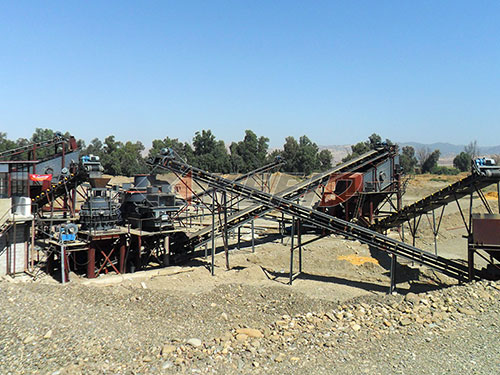
Q5 What training is provided post purchase
A comprehensive training program covering operation daily inspection safety procedures basic troubleshooting mandatory maintenance tasks provided onsite commissioning This supplemented detailed technical manuals digital access video library