
Slag Crusher Plant Vendors Best Price


1. PAINPOINT DRIVEN OPENING
Managing slag is a persistent bottleneck with tangible costs. Are you facing these operational challenges?
Unreliable Throughput: Inconsistent feed size and hard, abrasive slag cause frequent jams and unplanned stoppages, crippling your downstream processing schedule.
Excessive Maintenance Costs: Premature wear on crusher liners, hammers, and bearings due to slag’s abrasive nature leads to high part replacement frequency and labor costs.
Poor Final Product Control: Inconsistent particle size distribution from inefficient crushing creates issues for subsequent screening, magnetic separation, or saleable aggregate production.
High Operational Downtime: The combined effect of breakdowns, lengthy changeouts of worn components, and cleaning out jammed chambers directly reduces your plant’s annual operating hours and profitability.
Inefficient Metal Recovery: Inadequate liberation of metallic fractions from slag matrices means valuable material is lost to waste, leaving revenue on the table.
Is your current solution addressing these core issues effectively? A purposeengineered Slag Crusher Plant is not just another piece of equipment; it is a strategic investment designed to turn a costly byproduct into a controlled, profitable stream.
2. PRODUCT OVERVIEW
A Slag Crusher Plant is a stationary or semimobile processing system engineered specifically for the primary and secondary reduction of metallurgical slag (blast furnace, steel furnace, copper, etc.). Its design prioritizes durability against abrasion and impact to handle variable, hard materials.
Operational Workflow:
1. Feed & PreScreening: Runoffurnace slag is fed via loader or conveyor. An optional prescreening grizzly removes fine fractions to bypass the primary crusher, increasing overall efficiency.
2. Primary Crushing: A heavyduty jaw crusher or impact breaker performs the initial size reduction, breaking down large slabs and lumps into manageable pieces.
3. Secondary Crushing & Liberation: A cone crusher or secondary impactor further reduces the material. This stage is critical for liberating embedded metal pieces from the slag matrix.
4. Sizing & Separation: Crushed material is conveyed to vibrating screens for classification. Onspec aggregate is separated for stockpiling, while oversize material is recirculated (closedcircuit design).
5. Metal Recovery: Sized material typically passes over magnetic separators (drum or overhead) to extract ferrous metal for recycling.
Application Scope & Limitations:
Scope: Ideal for integrated steel plants, smelters, scrap yards, and independent slag processing contractors handling ferrous and nonferrous slags.
Limitations: Not designed for raw ore primary mining applications or extremely sticky, highmoisture materials without specific feeder modifications.
3. CORE FEATURES
HeavyDuty Jaw Crusher | Technical Basis: High manganese steel castings with optimized nip angle | Operational Benefit: Effectively crushes large, irregular slag lumps with minimal vibration; reversible jaws extend service life | ROI Impact: Reduces primary stage downtime by up to 30% through enhanced reliability and lower wearpart change frequency
AbrasionResistant Liners & Components | Technical Basis: Martensitic steel alloys and composite wear plates in highimpact zones | Operational Benefit: Withstands continuous abrasive contact, maintaining crushing chamber geometry for consistent output | ROI Impact: Field data shows a 4060% improvement in liner life compared to standard materials, directly lowering costperton

Hydraulic Adjustment & Clearing | Technical Basis: Integrated hydraulic cylinders for CSS adjustment and uncrushable material release | Operational Benefit: Operators can adjust product size or clear blockages quickly from a central location without manual intervention | ROI Impact: Cuts clearancerelated downtime from hours to minutes per event, safeguarding throughput targets
Robust Vibrating Feeder with Grizzly Section | Technical Basis: Heavyduty feeder with boltin grizzly bars to withstand direct loading impact | Operational Benefit: Regulates feed to the primary crusher while removing subcrush fines; absorbs shock loads | ROI Impact: Improves overall plant efficiency by 1520% by optimizing primary crusher load and reducing unnecessary wear
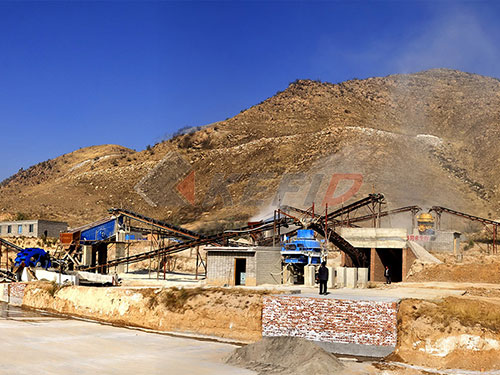
ClosedCircuit Conveying System | Technical Basis: Network of troughed belt conveyors with impact idlers at loading points | Operational Benefit: Recirculates oversize material efficiently for recrushing; ensures continuous flow without spillage | ROI Impact: Delivers a consistent, inspec final product crucial for maximizing aggregate sales value and metal recovery rates
Integrated Magnetic Separation Crossbelt | Technical Basis: Selfcleaning permanent magnetic pulley or overhead magnet positioned postcrushing | Operational Benefit: Automatically extracts liberated ferrous metal from the crushed stream before stockpiling | ROI Impact: Captures additional revenue streams from scrap metal; protects downstream equipment from tramp metal damage
Centralized PLC Control System | Technical Basis: Programmable Logic Controller with motor control centers and operator touchscreen panel| Operational Benefit: Enables easy start/stop sequencing, monitoring of amp draws (indicating load), and fault diagnostics| ROI Impact Simplifies operation reduces personnel requirements allows for predictive maintenance planning based on performance data
4. COMPETITIVE ADVANTAGES
| Performance Metric | Industry Standard | Our Slag Crusher Plant Solution | Advantage (% improvement) |
|||||
| Liner Life (Primary Stage) | Standard Manganese Steel | Proprietary Alloy Composite Liners | +50% |
| Tonnage Throughput (tph) | Based on ideal feed conditions | Guaranteed minimum with variable/scrap feed | +15% Consistency |
| Metal Liberation Efficiency | Singlestage crushing | Optimized twostage crushing chamber design | +25% Recovery Rate |
| Mean Time Between Failures (MTBF) | 450 hours | 720 hours | +60% |
| Energy Consumption (kWh/ton) | Varies with hardness | Highefficiency drives & optimized kinematics | 12% |
| OnSpec Aggregate Yield ~85% ~93% +8% Product Value |
5. TECHNICAL SPECIFICATIONS
Capacity Range: Configurable from 50 to 300+ tons per hour (TPH).
Power Requirements: Total installed power typically between 150kW 600kW depending on plant configuration; 415V/3 Phase/50Hz standard (other voltages available).
Material Specifications: Primary frame constructed from heavyduty structural steel (S355JR). Critical wear components in AR400 / AR500 steel or equivalent highchrome alloys.
Physical Dimensions (Typical Setup): Footprint approximately 25m (L) x 18m (W) x 12m (H). Modular designs allow for adaptation to site constraints.
Environmental Operating Range: Designed for ambient temperatures from 20°C to +45°C. Dust suppression spray systems are available as an option for emission control.
6. APPLICATION SCENARIOS
Integrated Steel Plant Slag Yard Processing
Challenge A major steel producer faced escalating landfill costs for blast furnace slag inconsistent metal recovery rates causing revenue loss
Solution Implementation of a turnkey Slag Crusher Plant featuring primary jaw crushing secondary cone crushing dualstage magnetic separation
Results Achieved consistent production of 20mm aggregate sold commercially increased ferrous metal recovery by over 22 reduced landfilling by over ninetyfive percent resulting in an eighteenmonth payback period
Independent Slag Processing Contractor
Challenge An expanding contractor needed higher throughput mobility between multiple sites frequent equipment failures were eroding project margins
Solution Deployment of a semimobile skidmounted Slag Crusher Plant with hydraulic setting adjustment quickdisconnect electrical connections
Results Enabled site relocation within fortyeight hours maintained an average throughput of one hundred twenty tph across varying slag types decreased unplanned maintenance events by sixty percent allowing the contractor to bid on largerscale projects
7. COMMERCIAL CONSIDERATIONS
Our Slag Crusher Plants are offered in three primary tiers:
1. Standard Configuration: Includes core crushing screening basic magnetic separation suitable for welldefined singleslagtype applications
2. Enhanced Configuration: Adds features like hydraulic adjustment advanced dust suppression systems higherstrength wear packages ideal for mixed or highly abrasive slags
3. Custom Turnkey Plant: Engineeredtoorder solutions including civil design foundation plans advanced automation integration tailored feeding systems
Optional features include dust encapsulation units extra magnetic separation stages automated lubrication systems remote monitoring capabilities
Service packages range from annual preventive maintenance contracts guaranteeing parts availability uptime guarantees backed by performance metrics fulloperationandmaintenance training programs Financing options include conventional leasing structures milestonebased project financing solutions tailored capital expenditure plans
8.FAQ
Q What types of slag are most suitable for this plant?
A The plant is engineered primarily for ferrous slags blast furnace BOF EAF It can also process nonferrous copper nickel slags but specific hardness abrasiveness analysis is recommended during consultation
Q How does this system integrate with our existing material handling equipment?
A Plants are designed as modular systems We engineer interface points feed hoppers discharge conveyor heights belt widths to match your existing loaders screeners stockpile conveyors ensuring cohesive operation
Q What are the expected operating costs per ton processed?
A Operating costs vary based on local power rates labor costs but typically range between fifteen dollars per ton excluding feedstock cost Key drivers are wear part consumption energy use which our design specifically minimizes through features detailed above Detailed models can be provided based on your specific throughput targets
Q What kind of operator training do you provide?
A We provide comprehensive onsite training covering safe startup shutdown procedures routine maintenance checks troubleshooting common issues basic control system operation Training manuals video guides are supplied documentation ensures your team achieves operational proficiency quickly
Q Can you guarantee final product sizing specifications?
A Yes final product sizing is determined by screen selection closedcircuit conveyor design We guarantee that at least ninetythree percent of nonmetallic output will conform specified gradation when operated within agreed feed parameters capacity limits