
Slag Crusher Plant Suppliers Design Service
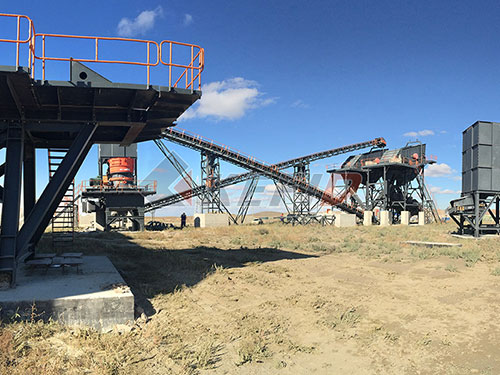

1. PAINPOINT DRIVEN OPENING
Are you managing a steel plant or slag processing yard and facing persistent bottlenecks in your material recovery chain? The challenges with traditional slag handling are quantifiable and costly. Inconsistent feed size jams crushers, causing unplanned downtime that costs thousands per hour in lost production and labor. Abrasive slag components rapidly wear out standard crushing chambers, leading to frequent, expensive liner replacements and parts inventory burdens. Furthermore, inefficient separation results in valuable metallic content being lost to waste stockpiles, directly impacting your revenue recovery. Dust generation creates environmental and health compliance issues, while inflexible equipment cannot adapt to varying slag types or production demands.
The central question for plant managers is clear: how can you achieve reliable, highvolume slag processing with lower operating costs and maximized metal yield? The answer requires a purposeengineered system, not just a standard crusher.
2. PRODUCT OVERVIEW
A Slag Crusher Plant is a stationary or semimobile integrated processing system designed specifically for the size reduction and liberation of metallic content from steel slag, blast furnace slag, and similar industrial byproducts. It transforms raw, lump slag into a graded, marketable aggregate while recovering ferrous metal for recycling.
Operational Workflow:
1. Primary Crushing & Screening: Large slag lumps (up to 1000mm) are reduced by a primary jaw crusher. A preliminary screen removes fine material.
2. Magnetic Separation (Primary): A suspended magnet over the conveyor extracts the majority of liberated ferrous metal postprimary crushing.
3. Secondary Crushing: A cone crusher or impactor further reduces the material to achieve optimal liberation of embedded metal.
4. Final Screening & Separation: Material is classified into precise aggregate sizes (e.g., 05mm, 510mm, 1020mm). A second drum magnet ensures final metal recovery.
5. Stockpiling: Clean aggregate is conveyed to stockpiles; recovered metal is collected for sale or reuse.
Application Scope: Integrated steel plants, standalone slag processing yards, mining operations handling abrasive materials.
Limitations: Not designed for highly corrosive chemical slags or as a primary ore processing plant without significant configuration changes.
3. CORE FEATURES
HeavyDuty Vibrating Feeder | Technical Basis: Grizzly section with adjustable spacing | Operational Benefit: Removes subgrade fines and prevents primary crusher overload | ROI Impact: Reduces crusher wear by up to 15% and improves overall throughput stability.
Jaw Crusher with Manganese Steel Jaws | Technical Basis: High compression crushing with optimized nip angle | Operational Benefit: Effectively processes large, irregular slag lumps with high compressive strength | ROI Impact: Field data shows a 2030% longer service life compared to standard jaws in abrasive applications.
Electromagnetic Suspended Magnet | Technical Basis: Deep magnetic field penetration across full conveyor width | Operational Benefit: Recovers large tramp metal before secondary crushing stages | ROI Impact: Protects downstream equipment from damage and captures highvalue scrap early in the process.
Liner Protection System (Cone/Impactor) | Technical Basis: Hydraulic adjustment and overload relief cylinders | Operational Benefit: Allows quick clearing of uncrushables and protects major components from catastrophic failure | ROI Impact: Minimizes risk of costly repairs and reduces mean time to repair (MTTR) by hours.
Enclosed Conveying & Dust Suppression Points | Technical Basis: Sealed transfer points with strategically placed spray nozzles | Operational Benefit: Controls airborne particulate at critical generation points | ROI Impact: Mitigates environmental noncompliance risks and reduces site cleanup costs.
Centralized PLC Control System | Technical Basis: Automated sequencing with fault annunciation | Operational Benefit: Enables smooth plant startup/shutdown and provides operators with clear diagnostic information | ROI Impact: Lowers operator error potential and simplifies troubleshooting.
Modular Skid Design (Optional) | Technical Basis: Preassembled structural frames for key modules | Operational Benefit: Reduces civil works cost and accelerates onsite installation time by an estimated 30% | ROI Impact: Faster commissioning leads to earlier production revenue.
4. COMPETITIVE ADVANTAGES
| Performance Metric | Industry Standard | Slag Crusher Plant Solution | Advantage (% improvement) |
|||||
| Metal Recovery Rate | ~9092% | Up to 9698% | +68% Yield |
| Liner Life (Primary Stage) | 80,000 100,000 MT processed | 120,000 150,000 MT processed | +4050% Durability |
| System Uptime Availability 95% 97%+ +2% Availability |
| Specific Power Consumption Baseline 1015% reduction through optimized drive systems 1015% Energy Savings |
| Dust Emission at Transfer Points Often requires addon bag filters Meets standards via integrated suppression Lower Capex on Dedicated Filtration |
Based on scheduled maintenance adherence.
5. TECHNICAL SPECIFICATIONS
Capacity Range: Configurable from 50 TPH to over 300 TPH.
Feed Size: Accepts lump slag up to 1000mm edge length.
Power Requirements: Total connected load typically between 250kW 800kW depending on configuration; supplied for 415V/3Phase/50Hz or as specified.
Material Specifications: Primary wear parts (liners, jaws) manufactured from Grade III Manganese Steel or equivalent AR plate; structural frames from heavyduty ISMC/ISMB sections.
Physical Dimensions: Varies by capacity; a standard 150 TPH plant footprint is approximately 35m (L) x 22m (W) x 15m (H).
Environmental Operating Range: Designed for ambient temperatures from 10°C to +45°C; dust and weather protection standard for outdoor installation.
6. APPLICATION SCENARIOS
Integrated Steel Plant Slag Yard Retrofit
Challenge:
A major steel producer faced frequent breakdowns in their aging twostage crushing setup. Metal recovery was inefficient (~88%), leading to significant value loss in aggregate stockpiles. Downtime exceeded 15 hours monthly.
Solution:
Implementation of a turnkey Slag Crusher Plant featuring a robust grizzly feeder, deepfield magnetic separators at two stages, and an automated cone crusher for secondary reduction.
Results:
Metal recovery increased to over 96%. System availability reached >97%, reducing monthly downtime to under <5 hours. The recovered additional metal paid for the plant's operational costs within eight months.
Independent Slag Processing Contractor
Challenge:
A contractor needed mobile flexibility but required higher volume than portable crushers offered. Their challenge was inconsistent feed material from multiple small steel mills.
Solution:
A semimobile Slag Crusher Plant built on modular skids with quickdisconnect electrical/utility connections was deployed.
Results:
The plant could be relocated between sites within one week using conventional heavy transport. This flexibility allowed the contractor to service multiple clients without capital duplication while maintaining highvolume processing efficiency above >120 TPH consistently across varied feed materials.
7. COMMERCIAL CONSIDERATIONS
Pricing Tiers: Capital cost varies significantly based on capacity and automation level.
EntryLevel: Manual/semiautomated plants up to ~75 TPH focus on core functionality.
Standard: Fully automated plants (~75200 TPH), including PLC control dust suppression represent the most common investment range
HighCapacity: Customengineered systems (>200 TPH) often include advanced monitoring systems like liner wear sensors
Optional Features & Upgrades: Vibrating screen decks for additional product fractions; metal baler/shear for scrap processing; automated lubrication systems; remote monitoring via SCADA
Service Packages: Annual Maintenance Contracts (AMC), guaranteed spare parts supply agreements are available
Financing Options: Equipment leasing structures are commonly offered through partner financial institutions
8.FAQ
1.Q:What if our incoming slag composition varies significantly?
A:The design incorporates adjustable crusher settings variable speed feeders allowing operators finetune throughput product size based realtime feed characteristics ensuring consistent output quality
2.Q:What are typical installation requirements?
A:A level prepared base adequate electrical supply water connection dust suppression essential Detailed foundation layout drawings comprehensive utility specifications provided prior delivery facilitate smooth site preparation
3.Q:What ongoing maintenance should we expect?
A.Primary maintenance involves regular inspection replacement wear parts like crusher liners conveyor belts spray nozzles Scheduled lubrication critical bearings drives Welldesigned plant provides easy safe access all service points reduce labor time
4.Q.How does this integrate with our existing material handling equipment?
A.Plants are engineered accept feed from your current loaders conveyors Output conveyors can be positioned suit your existing stockpiling loading arrangements Control systems can often interface with broader site networks
5.Q.What warranty support do you provide?
A.A standard warranty covers manufacturing defects major components typically months extended warranties available purchase Comprehensive documentation includes operation manuals parts lists recommended maintenance schedules ensure your team fully supported