
Slag Crusher Plant Factory Minimum Order
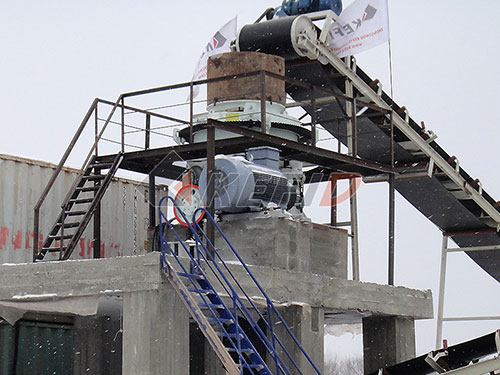

1. PAINPOINT DRIVEN OPENING
Managing slag stockpiles is a persistent operational and financial drain. Are you facing these common challenges?
Unrecovered Metal Loss: Valuable ferrous and nonferrous metals trapped in slag represent direct revenue loss with every ton processed.
Inefficient Processing: Manual breaking or underpowered crushers lead to bottlenecks, limiting your plant’s overall throughput and creating storage headaches.
High Downtime & Maintenance: Frequent breakdowns from abrasive slag cause unplanned stoppages, escalating repair costs and labor hours.
Inconsistent Output Size: Poorly sized material complicates downstream handling, magnetic separation, and final product saleability.
Space & Liability Constraints: Growing slag yards consume valuable real estate and present longterm environmental management concerns.
How do you transform this liability into a controlled, profitable recovery stream while ensuring system reliability? The answer lies in a purposeengineered slag crusher plant.
2. PRODUCT OVERVIEW
A slag crusher plant is a stationary or semimobile processing system designed specifically for the size reduction and liberation of metallurgical slag (blast furnace, steel furnace, copper, etc.). Its primary function is to crush large slag lumps into uniform, graded aggregates to maximize metal recovery via magnetic or eddy current separation.
Operational Workflow:
1. Feed & PreScreening: Raw slag from stockpile is fed via loader; an initial grizzly screen removes fine material bypassing the primary crusher.
2. Primary Crushing: A heavyduty jaw crusher reduces large lumps (often up to 1000mm) to a manageable size (approx. 150200mm).
3. Secondary Crushing & Screening: A cone or impact crusher further reduces material, which is then screened to separate correctly sized product.
4. Metal Separation: Sized material passes over suspended magnets or an eddy current separator to extract ferrous and nonferrous metals.
5. Stockpiling: Cleaned aggregate is conveyed to stockpiles for sale or reuse; recovered metal is collected for recycling.
Application Scope & Limitations:
Scope: Ideal for integrated steel plants, foundries, smelters, and standalone metal recovery facilities processing blast furnace (BF) slag, steel slag (LD slag), and nonferrous slags.
Limitations: Not designed for primary rock mining or extremely highsilica content materials without specific liner configurations. Feed size must be controlled within crusher intake dimensions.
3. CORE FEATURES
HeavyDuty Jaw Crusher | Technical Basis: High manganese steel jaws with optimized nip angle | Operational Benefit: Handles large, irregular slag lumps with high compressive force; minimizes bridging | ROI Impact: Reduced primary stage blockages increase uptime by an estimated 1520%, lowering labor for manual clearing.
AbrasionResistant Liners & Components | Technical Basis: AR400/500 steel plates, replaceable wear parts in critical zones | Operational Benefit: Extends service life in highly abrasive environments; components are modular for easier replacement | ROI Impact: Field data shows a 3040% reduction in liner changeout frequency compared to standard carbon steel.
Integrated Magnetic Separation System | Technical Basis: Overband selfcleaning electromagnet or permanent magnet positioned postcrushing | Operational Benefit: Automatically extracts liberated ferrous metal directly from the crushed material stream | ROI Impact: Increases pure metal recovery rates by up to 812%, turning waste into direct revenue.
Centralized Greasing & Hydraulic Systems | Technical Basis: Automated lubrication points for bearings and hydraulic adjustment/tramp release on crushers | Operational Benefit: Ensures critical components are protected from dust ingress; allows quick clearing of uncrushables | ROI Impact: Predictive maintenance schedules reduce bearing failures by an estimated 25%, preventing costly secondary damage.
Vibrating Screen with Deck Options | Technical Basis: HighG multideck screen with wire mesh or polyurethane panels | Operational Benefit: Provides precise sizing of crushed aggregate for optimal market value or downstream processing | ROI Impact: Consistent product sizing can increase aggregate sales revenue by improving specification compliance.
Robust Structural Base Frame | Technical Basis: Fabricated steel frame with antivibration pads and reinforced supports under heavy units | Operational Benefit: Provides longterm stability under dynamic loads, reducing stress fractures and misalignment | ROI Impact: Minimizes foundational repairs and ensures consistent operational geometry over the plant's lifetime.
4. COMPETITIVE ADVANTAGES
| Performance Metric | Industry Standard Solution | Our Slag Crusher Plant Solution | Advantage (% Improvement) |
| : | : | : | : |
| Metal Recovery Rate| Standalone crusher with separate magnetic pulley| Integrated primary crushing + overband magnet + secondary separation circuit| +1015% total metal yield |
| Liner Life in Abrasive Slag| Standard manganese steel liners| Multialloy composite liners & strategic wear protection design| +35% average lifespan |
| System Uptime Availability| Multiple standalone units with transfer points| Streamlined plant layout with reduced transfer points & centralized control| +8% operational availability |
| Power Consumption per Ton| Fixed speed drives across all motors| Configured VFDs on conveyors and secondary crusher based on load| 12% specific energy consumption |
| Footprint per TPH Capacity| Spreadout equipment requiring more land area| Compact, modular design integrating feeding, crushing & screening on single base frame| 20% space requirement |
5. TECHNICAL SPECIFICATIONS
Capacity Range: Configurable from 50 TPH to 300+ TPH throughput.
Primary Crusher: Jaw Crusher Model range; Feed Opening up to 1200mm x 900mm; CSS range 150250mm.
Secondary Crusher: Cone Crusher or Impact Crusher options based on slag hardness and desired shape.
Power Requirements: Total installed power typically between 150kW 450kW depending on configuration (3phase, 50/60Hz).
Key Material Specifications: Primary frame (IS 2062 structural steel), Chute/hopper liners (1012mm AR400 Steel), Conveyor belts (EP630/4 minimum).
Physical Dimensions (Typical Plant): Length ~2535m; Width ~812m; Height ~69m (excluding feed hopper).
Environmental Operating Range: Designed for ambient temperatures from 10°C to +45°C; dust suppression system compliant with local regulations.
6. APPLICATION SCENARIOS
Integrated Steel Plant – Blast Furnace Slag Processing
Challenge: A major steel producer faced low metal recovery from old BF slag dumps using rented mobile equipment, leading to high perton costs and inconsistent output hampering aggregate sales.
Solution: Installation of a dedicated 200 TPH stationary slag crusher plant featuring a heavyduty jaw crusher, twostage screening, and dual magnetic separation stages.
Results: Achieved consistent metal recovery rate of over 96%. Produced certified aggregate for road construction. Payback period achieved in under 18 months through combined metal revenue and aggregate sales.
Copper Smelter – Reverberatory Furnace Slag
Challenge: A smelter needed to process historically stockpiled copperrich slag fines (<30mm) that were bypassing their primary crushing circuit but still contained valuable copper matte particles.
Solution: Implementation of a specialized secondary circuit using a fine cone crusher in closed loop with screens to liberate locked copper particles before advanced separation techniques.
Results:Liberated an additional estimated copper content worth significant annual revenue from "waste" material previously considered uneconomical to process further.
Independent Metal Recovery Contractor
Challenge:A contractor servicing multiple small foundries required a relocatable solution that could be set up quickly on different sites without major civil works while maintaining robust performance.
Solution:Semimobile skidmounted slag crushing plant with integrated feed conveyor,magnet,and onboard power pack.All modules designed for transport on standard trailers.
Results:Mobilization time reduced from weeks to days.Plant demonstrated consistent performance across three different site materials within the first year,maximizing equipment utilization rates
7.COMMERCIAL CONSIDERATIONS
Our approach provides clarity around investment:
• Pricing Tiers:
Base Plant(primary crushing,magnet,basic screening):Competitive entrylevel solution
Enhanced Plant(+secondary crushing,fine screening,dust suppression):Recommended for maximum recovery&product value
Custom Turnkey System(+feed systems,final product conveyors,silos):Complete handling solution
• Optional Features:Dust extraction bag houses,wash systems for aggregate polishing,tramp metal detectors,belt scalesfor production weighingautomated control cabins
• Service Packages:
Annual Maintenance Contract:Covers scheduled inspections,lubricants,and wear part discounts
OnDemand Support:Flexible technical supportand field service visits
• Operator Training Programs
• Financing Options Available including leasetoown structuresand equipment financing through partners enabling capital preservation
FAQ
Q1:What types of slags can this plant process effectively?
A1:The plants are engineered primarily formetallurgical slags including blast furnace(BF)and basic oxygen furnace(BOF/LD)slag.They can also be configuredfor nonferrous slags(copper,nickel).Highly siliceous materials may require specific wear material consultation
Q2:What level of foundationor civil workis requiredfor installation?
A2:The modular design requiresa level compacted ground pad.A concrete foundationis strongly recommendedfor longterm stabilityof stationary plants.Semimobile skid versionsrequire minimal preparation.Detailed foundation drawingsare providedwith purchase
Q3:What kindof output sizescan we expectfromthe crushedaggregate?
A3 Output sizingis fully configurablebasedon screen deck selection.Typical product rangesinclude05mm510mm1020mmand2040mm fractions meetingmost constructionaggregate specifications
Q4 How doesyourplant handle trampmetalor uncrushablematerialthat may enterwiththe feed?
A4 The primaryjawcrusheroften includesa hydraulic toggle relief systemthat automaticallyreleases the jaws topass uncrushablematerial preventing catastrophic damage Additionallymetal detectorscanbe installedas an optionto stopthe feed beltbefore damage occurs
Q5 Whatisthe typical leadtimefrom orderto commissioning?
A5 For standardplant configurationslead timesrange between14to22weeksdependingon complexity Customturnkey projectsmay require longer Detailedproject timelinesare establishedduringthe quotation phase