
Slag Crusher Plant Exporters Datasheet
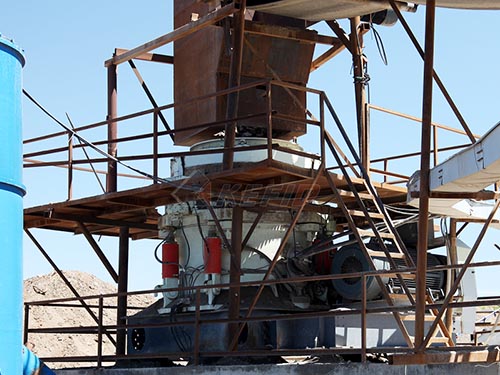

1. PAINPOINT DRIVEN OPENING
Managing slag is a persistent bottleneck with tangible costs. Are you facing these operational challenges?
Unreliable Throughput: Inconsistent feed size and hard, abrasive slag cause frequent jams and unplanned stoppages, crippling your downstream processing schedule.
Excessive Wear & Maintenance Costs: Standard crushers deteriorate rapidly against slag’s abrasive nature, leading to soaring parts replacement costs and labor hours dedicated to repair instead of production.
Inefficient Liberation of Valuable Metals: Incomplete crushing leaves metal trapped in slag matrix, resulting in direct revenue loss from unrecovered ferrous and nonferrous materials.
High Operational Downtime: The cumulative effect of breakdowns, liner changes, and clearing blockages significantly reduces your plant’s annual operating hours and profitability.
Dust & Contamination Control: Crushing operations generate hazardous dust, creating environmental compliance issues and unsafe working conditions.
Is your current solution equipped to handle the specific demands of slag processing while protecting your bottom line?
2. PRODUCT OVERVIEW
A dedicated Slag Crusher Plant is a turnkey system engineered for the primary, secondary, and sometimes tertiary crushing of metallurgical slag. It transforms large, irregular slag feed from furnaces into a uniformly graded aggregate for sale or further metal recovery.
Operational Workflow:
1. Feed & PreScreening: Slag is fed via hopper or loader onto a grizzly feeder to scalp off fine material and bypass unnecessary crushing.
2. Primary Size Reduction: A heavyduty jaw crusher or impactor performs the initial breakdown of large slag lumps.
3. Secondary Crushing & Metal Separation: Material is conveyed to a cone crusher or impact crusher for further reduction. Critical integration with overhead magnetic separators extracts liberated metal at this stage.
4. Final Sizing & Stockpiling: Crushed material passes through vibrating screens to achieve specified grades (e.g., 20mm, 10mm) before being conveyed to stockpiles.
Application Scope: Integrated crushing and recovery for blast furnace slag (BFS), steel furnace slag, copper slag, and other nonferrous slags.
Limitations: Not designed for primary mining of virgin rock; feed should be prescreened to remove excessive dirt or unprocessable debris.
3. CORE FEATURES
HeavyDuty Jaw Crusher | Technical Basis: Manganese steel jaws with optimized nip angle | Operational Benefit: Handles large, irregular slag feed without bridging; high compressive strength breaks toughest slag lumps | ROI Impact: Reduces primary stage blockages by over 70%, ensuring consistent feed to downstream processes
Integrated Magnetic Separation System | Technical Basis: Overband selfcleaning electromagnets positioned at discharge points | Operational Benefit: Continuous, automated recovery of liberated ferrous metals directly during crushing | ROI Impact: Captures 95%+ of free metal, turning waste into immediate revenue stream
AbrasionResistant Liners & Components | Technical Basis: Highchrome alloy blow bars, concaves, and liner plates | Operational Benefit: Withstands extreme abrasion, extending service life between replacements | ROI Impact: Field data shows a 4060% reduction in wear part consumption compared to standard materials

Vibrating Grizzly Feeder (VGF) | Technical Basis: Prescreening section with adjustable grizzly bars | Operational Benefit: Removes fines (40mm) prior to primary crusher, increasing effective capacity and reducing wear | ROI Impact: Improves overall plant throughput efficiency by up to 25% by optimizing crusher load
Centralized Dust Suppression System | Technical Basis: Nozzlebased spray system at transfer points with controlled droplet size | Operational Benefit: Effectively suppresses airborne particulate at source, maintaining visibility and operator safety | ROI Impact: Mitigates environmental noncompliance risks and reduces housekeeping labor
Robust Base Frame & Construction | Technical Basis: Unified heavyduty steel frame with vibration isolators | Operational Benefit: Provides stable foundation for dynamic loads; minimizes stress fractures and misalignment issues | ROI Impact: Lowers longterm structural maintenance costs and ensures plant integrity
PLCBased Control Panel | Technical Basis: Automated startup sequence with fault diagnostics and process monitoring | Operational Benefit: Allows singleoperator control; provides clear alerts for jams or low feed conditions | ROI Impact: Reduces manpower requirements per shift and minimizes downtime through faster troubleshooting
4. COMPETITIVE ADVANTAGES
| Performance Metric | Industry Standard (Generic Crusher Plant) | Our Slag Crusher Plant Solution | Advantage (% Improvement) |
|||||
| Wear Part Life | Standard manganese steel | Highchrome alloy castings | +50% longer operational life |
| Metal Recovery Efficiency | Postcrushing separation only | Integrated inline magnetic separation | +30% metal yield |
| System Uptime Availability | ~7580% (due to abrasion/jamming) |> 92% (slagoptimized design) | +15% increased production time |
| Specific Power Consumption | Standard motor sizing | Optimized drive systems matched to load |12% energy use per ton |
| Dust Emission Control Addon bag filters or basic sprays Engineered multipoint suppression system |>85% reduction at source |
5. TECHNICAL SPECIFICATIONS
Capacity Range: Configurable from 50 TPH to 300 TPH throughput.
Power Requirements: Total connected load from 150 kW to 800 kW depending on configuration; 415V/3 Phase/50Hz (or as per regional standard).
Material Specifications: Primary crusher jaws manufactured from Mn14% steel; liners & wear parts in Cr26% alloy; structural frames from ISMC/ISMB grade steel.
Physical Dimensions (Typical 150 TPH Plant): Approx. Length: 25m x Width: 8m x Height (max): 6m.
Environmental Operating Range: Designed for ambient temperatures from 10°C to +45°C; dust suppression system effective up to 80% relative humidity.
6. APPLICATION SCENARIOS
Steel Plant Slag Processing Yard Challenge:
A major integrated steel producer faced severe downtime due to weekly jaw crusher jams from large BF slag lumps. Manual metal recovery postcrushing was inefficient.
Solution:
Implementation of a turnkey Slag Crusher Plant featuring an extradeep crushing chamber jaw crusher with reinforced grizzly feeder and two stages of overband magnets.
Results:
Jamming incidents reduced by over 90%. The plant achieved a consistent product size of 15mm while increasing recovered scrap metal revenue by an estimated $120,000 annually due to higher liberation efficiency.
Ferroalloy Smelter Challenge:
A ferrochrome smelter needed to process highly abrasive lump slag into railway ballast but was replacing cone crusher liners every three weeks.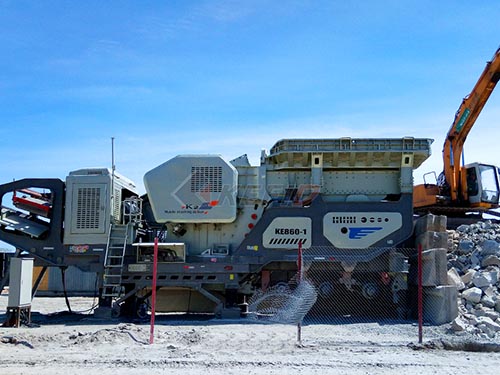
Solution:
Installation of a secondary crushing module featuring a specially lined cone crusher designed for extreme abrasion resistance within an existing Slag Crusher Plant layout.
Results:
Liner life extended to nine weeks—a threefold increase—reducing annual spare parts costs by approximately $65,000 while maintaining required ballast specifications.
7. COMMERCIAL CONSIDERATIONS
Our Slag Crusher Plants are offered in three primary tiers:
1. Standard Configuration (Entry Tier): Includes core crushing modules (Jaw + Cone), basic magnetic separator, mechanical drives, starter panel. Ideal for lowerabrasion slags.
2. Optimized Configuration (Recommended Tier): Includes all features listed in Core Features section—highchrome liners integrated VGF advanced PLC controls multipoint dust suppression This tier offers the best balance of capital investment versus longterm operating cost savings
3. Custom HighCapacity Configuration: Engineered for specific hightonnage applications includes dual feeding lines automated metal handling systems premium bearing packages
Optional features include mobile skidmounted designs portable screening modules enclosed panels for extreme climates automated lubrication systems
Service packages range from annual maintenance contracts with guaranteed response times comprehensive spare part kits financing options include leasetoown agreements milestonebased project payment plans
8. FAQ
What types of input feed size can your Slag Crusher Plant accept?
The standard primary jaw crushers accept feed sizes up to ~750mm However the integrated grizzly feeder can be configured based on your specific furnace output including larger sizes upon request
How does the plant handle tramp metal that could damage the crushers?
The combination of the robust grizzly feeder design acts as an initial scalper Crucially the first overband magnet installed before the primary crusher removes most tramp ferrous material providing critical protection against uncrushable metals entering the chamber
What is the expected noise level during operation?
With proper acoustic enclosures on key drives field measurements typically show operational noise levels below ~85 dB(A) at one meter meeting most industrial zone regulations Specific acoustic reports are available upon request
Can we integrate this new plant with our existing conveyor system?
Yes engineering specifications include detailed interface points for both feed intake and product discharge Conveyor lengths speeds capacities are all customized during design review ensuring compatibility with your current site layout
What is the typical installation commissioning timeline?
For a complete turnkey solution site preparation civil work typically requires four weeks followed by six weeks for mechanical erection electrical cabling final commissioning The total project duration averages ten weeks postdesign approval subject to site conditions