
Primary Impact Crusher

A Primary Impact Crusher is a heavy-duty machine used in the first stage of crushing (primary crushing) to break large rocks, ores, or other hard materials into smaller, more manageable pieces. Unlike jaw crushers, which use compression force, impact crushers utilize high-speed impact to fracture materials.
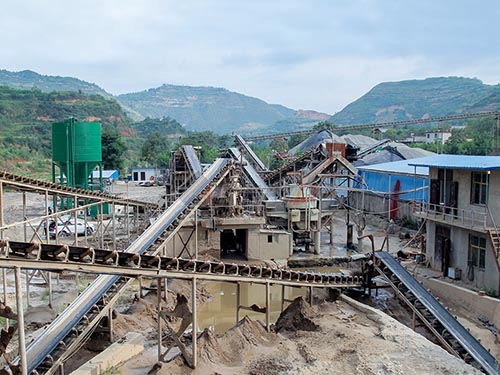
Key Features of Primary Impact Crushers:
1. High Reduction Ratio – Capable of reducing large feed sizes (up to 1-2 meters) into smaller fragments in a single pass.
2. Horizontal Shaft Design – Uses rotating hammers or blow bars to strike and throw material against breaker plates.
3. Versatility – Can handle soft to medium-hard rocks (limestone, gypsum, coal) and some abrasive materials.
4. Adjustable Output Size – The gap between the rotor and impact aprons can be adjusted to control product size.
5. High Throughput Capacity – Suitable for high-production quarrying, mining, and recycling applications.
Advantages Over Other Primary Crushers:
- Better cubical-shaped end product compared to jaw crushers.
- Higher reduction ratio in a single stage.
- Effective for softer materials where compression crushers may generate excessive fines.
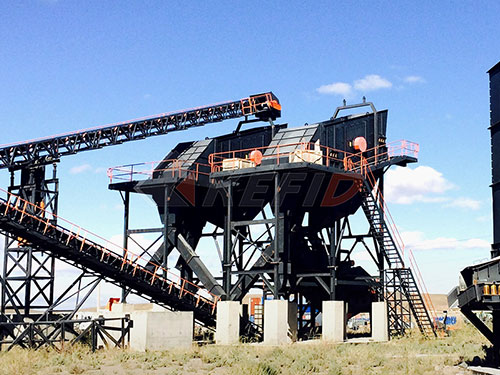
Common Applications:
- Quarrying & Aggregates (limestone, gravel)
- Cement Industry (crushing raw materials)
- Recycling (concrete, asphalt demolition waste)
- Mining (primary reduction of ore)
Popular Models & Manufacturers:
- NP Series
- CI Series
- Hazemag AP-PH Series
- Kleemann MR 110/130 EVO
Considerations When Choosing a Primary Impact Crusher:
✔ Feed size & material hardness
✔ Desired output size & production capacity
✔ Maintenance requirements (wear parts like blow bars)
✔ Energy efficiency & operating costs
Would you like recommendations based on a specific application or material?