
Premium Slag Crusher Plant Customization
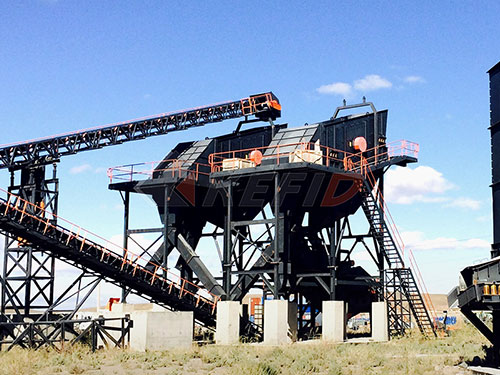

1. PAINPOINT DRIVEN OPENING
Is your slag handling operation a persistent bottleneck and a source of hidden costs? For plant managers and engineering contractors, the challenges of processing metallurgical slag are multifaceted. Are you contending with excessive downtime due to tramp metal damage and abrasive wear on crusher components? The cost of unscheduled maintenance and component replacement can exceed six figures annually. Are you struggling with inconsistent feed size from frontend loaders, leading to crusher choking, reduced throughput, and unpredictable final product gradation? This variability directly impacts your bottom line by limiting sales opportunities for your aggregate. Furthermore, does the sheer abrasiveness of your material result in premature failure of standard equipment, forcing you into a costly cycle of repairs instead of profitable production? These operational hurdles demand a solution engineered not just to crush, but to endure and optimize. A premium slag crusher plant addresses these specific pain points directly.
2. PRODUCT OVERVIEW
A premium slag crusher plant is a heavyduty, stationary or semimobile crushing system specifically engineered for the primary, secondary, and sometimes tertiary reduction of metallurgical slag (blast furnace, steel furnace, etc.). Its design prioritizes extreme durability, consistent output control, and operational reliability in highabrasion environments.
Operational Workflow:
1. Feed & PreScreening: Slag is fed via excavator or loader into a robust vibrating grizzly feeder, which removes fine material (40mm) bypassing the primary crusher to increase efficiency.
2. Primary Crushing: Oversize material is directed to a primary jaw crusher or impactor built with special alloys to handle extreme abrasion and occasional tramp metal.
3. Secondary/Tertiary Crushing: Crushed material is conveyed to secondary cone or impact crushers for further size reduction to specified cubical aggregates.
4. Sizing & Stockpiling: Final product is screened via multipledeck screens into precise fractions (e.g., 05mm, 510mm, 1020mm) and conveyed to designated stockpiles.
Application Scope & Limitations:
Scope: Ideal for integrated steel plants, standalone slag processing yards, and aggregate producers specializing in industrial byproducts. Effective for blast furnace (BFS) and steel slag.
Limitations: Not designed for primary ore or quarry rock processing where abrasion characteristics differ significantly. Maximum input slab size is defined by the primary crusher opening; exceeding this causes blockages.
3. CORE FEATURES
HeavyDuty Grizzly Feeder | Technical Basis: Highstrength steel grids with replaceable sections | Operational Benefit: Scalps fines precrush to boost primary circuit capacity by up to 30% and reduces wear on primary crusher liners | ROI Impact: Lower costperton through increased throughput and extended liner life
Tramp Metal Protection System | Technical Basis: Hydraulic release or overload protection on crushers combined with underbelt magnets | Operational Benefit: Prevents catastrophic damage from uncrushable metals mixed in slag; allows automatic clearing of cavities | ROI Impact: Eliminates costly rotor or shaft damage repairs and associated production losses
AbrasionResistant Material Circuit | Technical Basis: Crusher liners/mantles made of TIC insert alloys or highchrome martensitic steel; ARlined feed hoppers and chutes | Operational Benefit: Components withstand the extreme abrasive nature of slag, extending service life by 23x compared to standard manganese steel | ROI Impact: Reduces spare parts inventory costs and frequency of liner change downtime
Integrated Process Automation Panel | Technical Basis: PLCbased control system monitoring amp draw, bearing temperatures, and feed rates | Operational Benefit: Operators can optimize feed for peak efficiency and receive early warnings for maintenance interventions | ROI Impact: Prevents major failures through predictive maintenance scheduling
Modular Conveyor & Walkway Design | Technical Basis: Bolttogether sections with fulllength access platforms and guarding | Operational Benefit: Enables rapid reconfiguration for different site layouts; ensures safe, compliant access for inspection/maintenance crews | ROI Impact: Reduces relocation/expansion time by up to 40% versus welded structures
Centralized Greasing & Dust Suppression | Technical Basis: Automated lubricant delivery to key bearings; strategically placed spray nozzles at transfer points | Operational Benefit: Ensures critical bearings are lubricated under all conditions; controls airborne particulate matter effectively| ROI Impact: Extends bearing life significantly (field data shows ~50% improvement) ensures environmental compliance
4. COMPETITIVE ADVANTAGES
| Performance Metric | Industry Standard Solution | Premium Slag Crusher Plant Solution | Advantage (% Improvement) |
| : | : | : | : |
| Liner Life (Primary Crusher)| Standard Manganese Steel (1416 weeks) | TIC Insert Alloy Liners (3236 weeks)| +100% +125% |
| System Availability| ~85%, frequent unplanned stops for wear/blockage| >92%, planned maintenance only due to protective systems| +8% operational uptime |
| Product Shape Consistency| Variable Fines Content (35% cubical) via chamber optimization & feed control| +40% improvement in premiumgrade aggregate yield |
| Maintenance Downtime per Event| Extended due to lack of access & manual processes (e.g., 24 hrs for liner change)| Reduced via quickchange designs & safe access platforms (e.g., <16 hrs)| 33% downtime duration |
5. TECHNICAL SPECIFICATIONS
Capacity Range: Configurable from 150 TPH to over 600 TPH final product.
Power Requirements: Total installed power typically between 400 kW 900 kW depending on configuration; requires stable industrial power supply.
Material Specifications: Primary structural steel grade S355JR+; Wear surfaces utilize Hardox® 450/500 or equivalent AR plate; Crusher liners available in TIC Insert Alloy or HighChrome White Iron.
Physical Dimensions (Typical Plant Footprint): Varies by capacity; example for a 250 TPH plant approx.: Length=45m x Width=22m x Height=15m.
Environmental Operating Range: Designed for ambient temperatures from 20°C to +45°C with appropriate lubrication options; dust suppression system rated for local emission compliance standards.
6. APPLICATION SCENARIOS
Integrated Steel Mill Slag Yard Recycling Challenge:
Specific Problem:
A major steel mill faced escalating landfill costs for its aircooled blast furnace slag. Their existing crushing circuit suffered constant liner wear failures every 68 weeks and frequent jams from hidden tramp metal.
Solution:
Implementation of a turnkey premium slag crusher plant featuring a hydraulic jaw crusher with tramp iron protection as the primary unit followed by a cone crusher with highchrome concaves.
Results:
Quantifiable Outcomes:
Liner replacement cycles extended to over six months. System availability increased from ~78% to over 90%. The mill now produces over 400k tons annually of certified construction aggregate sold at full market value.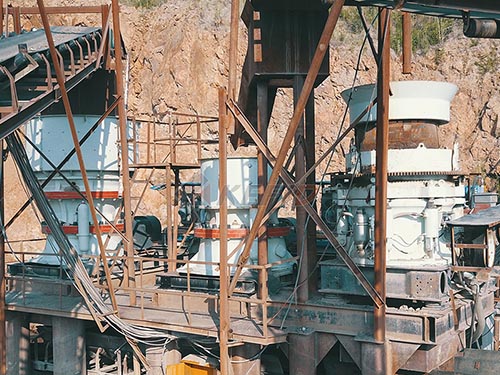
Independent Slag Processing Contractor Challenge:
Specific Problem:
A contractor processing purchased slag from multiple sources needed flexibility in final product sizing but could not afford separate fixed plants.
Solution:
A semimobile premium slag crushing plant on skid bases was deployed featuring quickdisconnect electrical/pneumatic connections.
Results:
Quantifiable Outcomes:
The contractor reduced plant relocation time between sites from three weeks down to ten days enabling them profitably fulfill multiple regional contracts Product consistency improved allowing them secure highervalue asphalt mix supply agreements
7 COMMERCIAL CONSIDERATIONS
Equipment pricing tiers are structured around throughput capacity core configuration:
Base Tier (150250 TPH):
Includes core heavyduty jaw/cone/screen modules automation basic dust control
Mid Tier (250450 TPH):
Adds advanced tramp metal systems automated lubrication optional tertiary stage
HighCapacity Tier (450+ TPH):
Fully redundant systems dual prescreening advanced process control integration
Optional Features include metal detectors magnetic separators sound enclosures automated sampling systems comprehensive remote monitoring packages Service packages range from basic commissioning training multiyear scheduled maintenance plans complete wear parts supply agreements Financing options available including equipment leasing operating lease models tailored capital expenditure planning support
8 FAQ
What type/size of tramp metal can your protection system handle?
Our hydraulic release systems are engineered based on specific force calculations typically passing uncrushable objects equivalent up dimensions defined by discharge setting without causing damage Consult engineering specifications project details exact capabilities
How does this plant adapt variations incoming feed size composition?
The combination aggressive prescreening variable speed feeder controls allows operators regulate feed rate realtime based crusher motor load ensuring optimal cavity filling preventing choke feeding even inconsistent feedstock typical frontend loader operations
What typical total cost ownership period five years compared standard crushing plant?
While initial capital outlay may higher field data across installations shows total cost ownership often lower due dramatically reduced downtime lower spare parts consumption higher saleable product yield Detailed lifecycle cost analysis provided during proposal stage using your specific operational financial parameters
Are these plants compatible existing conveyor stockpile infrastructure our site?
Yes designs modular nature allow seamless integration into existing layouts We conduct thorough site audits provide interface drawings ensure compatibility electrical supply dust collection utilities minimize integration costs disruptions
What lead time expected from order placement commissioning?
Lead times vary based complexity customization For standard midtier configurations typical lead time ranges months months including manufacturing FAT testing Delivery installation scheduling coordinated minimize impact ongoing site operations