
Oem 250 300tph Stone Crushing Plant Customization
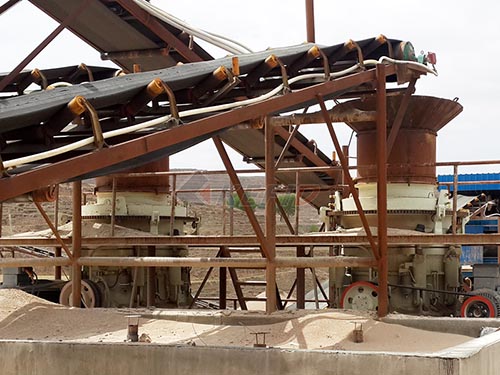

1. PAINPOINT DRIVEN OPENING
Are you managing a midtolarge scale aggregate production operation and facing persistent bottlenecks that erode profitability? The challenges of a 250300 tph stone crushing plant are often clear: inconsistent feed material causing crusher stalls and wear, excessive downtime for liner changes and maintenance, high energy consumption per ton of output, and difficulty meeting strict aggregate specifications consistently. These issues translate directly to lost revenue. How much production are you losing during changeovers? What is the true cost of unplanned downtime on your project timelines? Are your operational costs under control, or are they being inflated by inefficient processes and premature component failure? A wellengineered, customized OEM 250300tph stone crushing plant is designed to systematically address these exact pain points.
2. PRODUCT OVERVIEW
This solution is a complete, heavyduty stationary or semistationary stone crushing plant engineered for reliable production of 250 to 300 metric tons per hour of crushed aggregate. It is not an offtheshelf product but a configured system built around core OEM crushers, screens, and conveyors.
Operational Workflow:
1. Primary Reduction: Large feed material (up to 750mm) is reduced by a robust primary jaw or gyratory crusher.
2. Secondary/Tertiary Crushing: Material is conveyed to secondary cone or impact crushers for further size reduction and shaping.
3. Sizing & Classification: Crushed material passes through multideck vibrating screens to separate it into precise product fractions (e.g., 05mm, 510mm, 1020mm).
4. Stockpiling & Recirculation: Onspec material is conveyed to stockpiles. Oversize material is automatically recirculated back into the circuit for recrushing.
Application Scope: Ideal for large quarry operations, major infrastructure projects (highways, railways), and commercial concrete/asphalt plants requiring highvolume, consistent aggregate supply.
Limitations: Requires significant capital investment and planned site preparation. Optimal performance depends on correct system configuration for the specific feed material characteristics (abrasiveness, silica content, moisture).
3. CORE FEATURES
Intelligent Control System | Technical Basis: PLCbased automation with load management algorithms | Operational Benefit: Monitors crusher power draw and conveyor loads to optimize feed rate, preventing chokefeeding and reducing energy waste | ROI Impact: Field data shows up to a 15% reduction in energy costs and a 20% decrease in unplanned stoppages.
Modular Chassis Design | Technical Basis: Preassembled, heavyduty steel modules with integrated walkways | Operational Benefit: Reduces onsite installation time by up to 30%, simplifies future plant reconfiguration or relocation | ROI Impact: Lowers installation labor costs and minimizes revenue loss from delayed commissioning.
Advanced Wear Protection | Technical Basis: Highchrome martensitic steel liners and impact plates in key wear zones | Operational Benefit: Extends service intervals by 4060% compared to standard manganese steel in abrasive applications | ROI Impact: Direct savings on wear part inventory and labor costs for changes, increasing uptime.
Hydraulic Adjustment & Clearing | Technical Basis: Integrated hydraulic systems for crusher setting adjustment and clearing tramp metal/uncrushables | Operational Benefit: Allows operators to adjust product size or clear a cavity blockage in minutes without manual intervention | ROI Impact: Eliminates hours of dangerous manual labor per event, drastically reducing downtime.
Centralized Lube & Greasing System | Technical Basis: Automated lubrication delivery to all major bearing points | Operational Benefit: Ensures optimal bearing health, prevents failures due to under/overgreasing, reduces manual maintenance tasks | ROI Impact: Extends bearing service life by an average of 25%, preventing costly secondary damage from bearing seizures.
4. COMPETITIVE ADVANTAGES
| Performance Metric | Industry Standard (250300tph Plant) | This OEM Customized Solution | Advantage (% Improvement) |
| : | : | : | : |
| Availability (Uptime)| ~85% 88% | >92% 94% documented availability| +5% to +7% |
| Tons per Kilowatthour| Varies widely; often unoptimized| Engineered for specific duty; systemlevel optimization| Up to +12% efficiency gain |
| Wear Life (Abrasive Rock)| Standard manganese steel liners| Configured highchrome/alloy solutions| +40% to +60% |
| Product Shape Consistency| Dependent on operator skill & feed stability| Automated setting control & chamber optimization| Variance improved by ~30% |
5. TECHNICAL SPECIFICATIONS
Designed Capacity Range: 250 – 300 metric tons per hour (based on standard granite with bulk density ~1.6 t/m³).
Primary Crusher Options: Jaw Crusher (900x1200mm) or Primary Gyratory Crusher.
Secondary/Tertiary Stage: Typically two units (e.g., Cone Crushers HPC315 or equivalent impactors).
Screening: Multideck heavyduty vibrating screens (typically 23 units), sizes up to 2400x6000mm.
Power Requirement: Total installed power approximately 550 – 700 kW, dependent on final configuration.
Key Material Specifications: Main frame construction from Q345B steel; Highgrade alloy steel for shafts; Premiumgrade bearings.
Typical Footprint: Approximately 85m L x 45m W x 15m H (varies with layout).
Environmental Operating Range: Designed for 20°C to +45°C ambient temperature; dust suppression system compliant with most regional particulate emission standards.
6. APPLICATION SCENARIOS
Granite Quarry Expansion Project
Challenge: An existing quarry needed to increase output from ~200tph to over 280tph reliably while improving the cubicity of its railway ballast product which was under specification scrutiny.
Solution: Implementation of a customized threestage OEM crushing plant featuring a primary jaw crusher followed by two cone crushers in closed circuit with large screening decks.
Results: Plant achieved sustained throughput of over 290tph. Product shape index met the stringent ballast specification with >95% consistency. Plant availability exceeded 93% in the first year.
LargeScale Highway Construction Consortium
Challenge: A consortium building a major highway required multiple aggregate specifications simultaneously from an onsite crushing setup but faced severe space constraints and needed rapid deployment.
Solution: A semimobile modular OEM plant configured into primary/secondary modules was deployed within three weeks of site preparation completion.
Results:The modular design allowed feeding different materials into separate circuits within one compact footprint.The project met all its internal aggregate demands,saving an estimated 18% versus purchasing externally,and completed the earthworks phase ahead of schedule.
7. COMMERCIAL CONSIDERATIONS
A customized OEM stone crushing plant represents a significant capital investment focused on longterm operational payback.
Pricing Tiers: Investment typically ranges based on configuration complexity:
Tier A (Standardized Core): Based on proven module combinations with limited customization options.
Tier B (PerformanceOptimized): Full customization including advanced automation,materialspecific wear packages,and performance guarantees.Considered the standard for serious operators seeking lowest costperton over lifespan
Tier C(ProjectSpecific): For unique constraints requiring extensive engineering(e.g.,extreme climates,tailored logistics).
Optional Features: Extended warranty packages,dust collection systems beyond basic suppression,predictive maintenance sensor suites,factory supervision during commissioning,and comprehensive operator training programs.
Financing options frequently include equipment leasing through partner institutions,tailored loan structures aligned with project cash flow,and tradein programs for existing machinery.
8.FAQ
Q1:What level of customization is truly possible within this capacity range?
A1:Customization covers all critical aspects:crusher type selection based on your rock abrasion index,screen deck configurations tailored preciselyto your required product fractions,the degreeof automation,and physical layoutto fit your specific site topographyand existing infrastructure
Q2:What kindof performance guarantee can be expected?
A2.Reputable OEMs provide throughput capacity guarantees basedon agreedupon feed material samplesand final product size requirements.Guarantees are contractualand typically cover sustained tonnage over adefined test period
Q3.How does this solution manage varying feed material sizesand hardness?
A3.The PLC control system adjusts feeder ratesin realtime basedon crusher motor load.A wellconfiguredplant design includes adequate surge capacity before eachcrushing stageand potentially automated setting adjustmentsto maintainproduct gradation
Q4.What arethe typical lead timesfrom orderto commissioning?
A4.Fora fully customizedsolution lead timesrange from6to9 months including engineering manufacturing shop testing disassemblyfor shipmentand deliveryOnsite erectionand commissioning requirean additional4to8 weeks dependingon local conditions
Q5.What ongoing service supportis critical?
A5.Beyond spare parts,a technical support hotline remote diagnostics accessto machine operating dataand scheduled preventative maintenance inspectionsby factorytrained engineersare essentialfor maintaining designed availability
Q6.Can thisplant be relocatedin the future?
A6.The modular chassis designfacilitates relocationDisassembly transportandrecommissioning ata new siteare complex but planned operations requiring professional executionCostsare significantly lowerthan fora nonmodular fixed structure
Q7.How doesthe total costof ownership(TCO) compareto piecing together equipmentfrom different manufacturers?
A7.An integratedOEM solutionis engineeredfor systemic efficiency leadingto lowerenergy consumptionper ton coordinatedwear part lifecycles andreducedinterface issuesWhilethe initial outlaymay be comparableor slightly higherthe TCOovera5yearperiodis typically1525% lowerdue tounified engineering reliabilityand singlesource accountability