
ODM Stone Quarry Crushing Plant Sample
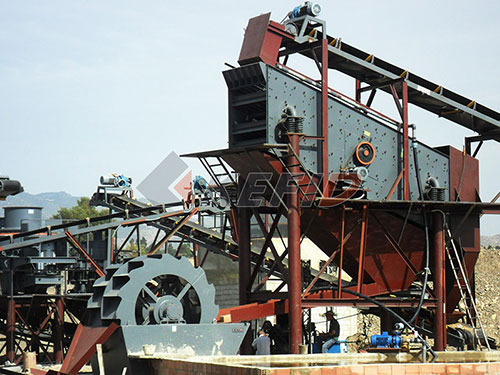

1. PAINPOINT DRIVEN OPENING
Managing a stone quarry crushing plant presents persistent operational and financial challenges. Are you contending with:
Excessive Downtime: Unplanned stoppages for liner changes, blockages, or mechanical failures, costing thousands per hour in lost production and idle labor.
Inconsistent Product Yield: Poorly calibrated or worn crushing stages producing offspec aggregate, reducing premium product yield and forcing recrushing.
Spiraling Maintenance Costs: Frequent replacement of highwear components like mantles, concaves, and jaw plates, coupled with high labor hours for servicing.
High Energy Intensity: Inefficient crushing chambers and drives that consume excessive power per ton of processed material, directly eroding profit margins.
Inflexible Configuration: A plant that cannot be easily adjusted to meet changing market demands for different aggregate sizes or volumes.
If these issues sound familiar, the efficiency of your entire operation hinges on the core of your process: the primary crushing station. The right ODM stone quarry crushing plant solution must address these points directly with proven engineering.
2. PRODUCT OVERVIEW
This product is a heavyduty, stationary primary jaw crusher plant, engineered as the first reduction stage in a hard rock quarry operation. It is designed to receive blasted feed from haul trucks and reduce large boulders (up to 1200mm) to manageable sizes for secondary crushing.
Operational Workflow:
1. Feed Intake: Dump trucks deposit shot rock into a rugged steel apron feeder.
2. Primary Crushing: The apron feeder conveys material at a controlled rate into the jaw crusher, where compressive force breaks the rock.
3. Primary Screening & Bypass: A grizzly section ahead of the crusher removes natural fines, while an integrated bypass chute handles oversize or uncrushable material.
4. Product Conveyance: Crushed product is discharged onto a main conveyor belt for transport to the next stage of the processing circuit.
Application Scope & Limitations:
Scope: Ideal for hightonnage production of granite, basalt, limestone, and other abrasive aggregates. Suited for permanent installation in largescale commercial quarries.
Limitations: Not designed for portable applications, very sticky or claybound materials without preprocessing, or as a standalone finishing plant without secondary/tertiary stages.
3. CORE FEATURES
Deep Crushing Chamber & Optimized Kinematics | Technical Basis: Increased nip angle and longer crushing stroke | Operational Benefit: Higher volume reduction per cycle, reducing cycle count and wear | ROI Impact: Up to 15% higher throughput capacity within the same footprint
Hydraulic Toggle & Adjustment System | Technical Basis: Replaceable hydraulic cylinder for tensioning and clearing | Operational Benefit: Enables quick clearing of tramp metal and chamber blockages in minutes vs. hours; allows safe CSS adjustment under load | ROI Impact: Reduces downtime events by an average of 80% for chamberrelated stoppages
QuarryGrade HeavyDuty Frame | Technical Basis: Fabricated steel plate design with reinforced stress points and finite element analysis (FEA) validation | Operational Benefit: Withstands continuous highimpact loading and cyclic stress without frame fatigue or cracking | ROI Impact: Eliminates risk of catastrophic frame failure, extending operational life beyond 20 years
Integrated Motor Base & Drive Guarding | Technical Basis: Unified baseplate for crusher and motor with full perimeter guarding | Operational Benefit: Simplifies alignment during installation; provides inherent safety compliance; reduces installation time by approximately 30% | ROI Impact: Lowers total installed cost and ensures immediate operational safety compliance
WedgeBased Jaw Plate Retention System | Technical Basis: Mechanical wedge lock system secures jaw plates without backing resin | Operational Benefit: Allows fast replacement of jaw liners; typically completed in under 4 hours by a standard maintenance crew | ROI Impact: Increases plant availability and reduces labor costs associated with liner maintenance
Centralized Automated Greasing System | Technical Basis: Programmable lubrication unit serving all key crusher bearings | Operational Benefit: Ensures consistent, correct lubrication intervals without operator intervention; provides fault alerts for flow issues | ROI Impact: Extends bearing service life by up to 40%, preventing costly unscheduled bearing failures
4. COMPETITIVE ADVANTAGES
| Performance Metric | Industry Standard (Average) | This Primary Crushing Plant Solution | Advantage (% Improvement) |
| : | : | : | : |
| Availability (Scheduled Runtime) | 9294% | 9698%+ | +46% |
| Liner Change Time (Jaw Plates) | 68 hours (crew dependent) | 3,200 hours| +60% |
5. TECHNICAL SPECIFICATIONS
Model Designation: PEV145
Feed Opening: 1400mm x 1100mm
Max Feed Size: 1200mm
Closed Side Setting (CSS) Range: 150mm 280mm
Capacity Range (Varies by material & CSS): 450 850 MTPH
Drive Power Requirement: 200 kW (250 HP) Electric Motor
Crusher Weight (excluding feeder & conveyor): ~62,000 kg
Total Plant Footprint (LxW): Approx. 18m x 8m
Frame Material: ASTM A36 Steel Plate (>50mm thick at critical points)
Jaw Plate Material: Mn18Cr2 / TIC Insert Hybrid Alloy
Operating Temperature Range: 30°C to +45°C
Dust Emission Control: Prepared for direct connection to dry fog or baghouse system.
6. APPLICATION SCENARIOS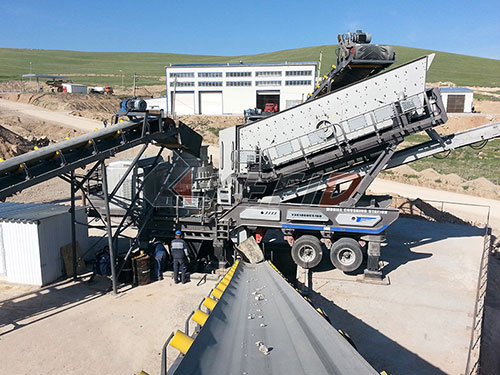
Granite Quarry Expansion Project in Southeast Asia
Challenge: An existing quarry needed to double output but had space constraints for new primary crushing infrastructure. The existing plant suffered from low throughput and daily blockages.
Solution: Implementation of a single highcapacity PEV145 primary jaw crusher plant with an optimized deepchamber design and hydraulic toggle system replaced two older units.
Results: Achieved a 120% increase in primary circuit throughput within a similar footprint. Blockagerelated downtime decreased from an average of 10 hours/week to under 1 hour/week.
HighAbrasion Basalt Operation in North America
Challenge: Extremely abrasive basalt was causing jaw plate wear costs to become prohibitive at over $0.12 per ton processed.
Solution: Deployment of this crushing plant equipped with proprietary TIC insert hybrid jaw plates and a centralized automated greasing system.
Results: Field data shows jaw liner life increased by approximately 70%, reducing wear cost per ton to under $0.07. Consistent automated lubrication contributed to zero bearingrelated failures in the first two years of operation.
7. COMMERCIAL CONSIDERATIONS
The capital investment for a complete primary crushing station is significant but defined by clear tiers based on configuration:
Base Equipment Tier ($XXXk $XXXk): Includes core jaw crusher on motor base apron feeder grizzly section discharge conveyor walkways ladders basic guarding electrical control panel with motor starters.
Optional Features:
Onboard dust suppression spray system (+$XXk)
Advanced PLC automation package with remote monitoring (+$XXk)
Heavyduty skid foundation vs concrete foundation (+$XXk)
Spare parts starter kit liners toggle seats bearings (+$XXk)
Service Packages:
1.Preventive Maintenance Plan scheduled inspections parts discounts technical support.)
2.Comprehensive Lifecycle Contract includes all planned maintenance wear parts replacements fixed annual fee.)
Financing Options are available through our partners including equipment leasing capital loans payperton agreements structured over terms.
FAQ Section
Q1 Is this primary crushing plant compatible with my existing secondary cone crushers conveyors?
A1 Yes industrystandard discharge heights belt widths are accommodated Our engineering team will review your downstream equipment specifications ensure seamless integration into your current flow.
Q2 What is the expected impact on my overall plant energy consumption?
A2 Field data from comparable installations shows total energy consumption per ton can decrease between due higher throughput efficiency reduced recirculating load from better primary reduction Consult our team sitespecific analysis.
Q3 How does your pricing compare building customdesigned solution?
A3 As ODM manufacturer we offer significant cost advantages over fully custom engineered designs while maintaining applicationspecific performance Standardized modular design reduces manufacturing lead times typically delivering within weeks not months.
Q4 What are typical installation commissioning requirements?
A4 We provide detailed foundation drawings general arrangement diagrams comprehensive commissioning checklist Our team can supervise installation startup ensure optimal performance training provided your operations maintenance staff included purchase agreement.
Q5 What warranty coverage provided?
A5 We offer standard months warranty defects materials workmanship Extended warranty packages major components structures available purchase Warranty terms clearly outlined commercial proposal documentation.
Q6 Can you supply complete processing plant just primary stage?
A6 While we specialize primary secondary crushing solutions we act main contractor partner network reputable suppliers screens conveyors washing systems deliver turnkey project scope required Your project manager will coordinate all aspects single point contact simplify procurement process you