
Malaysia Mobile Stone Crusher
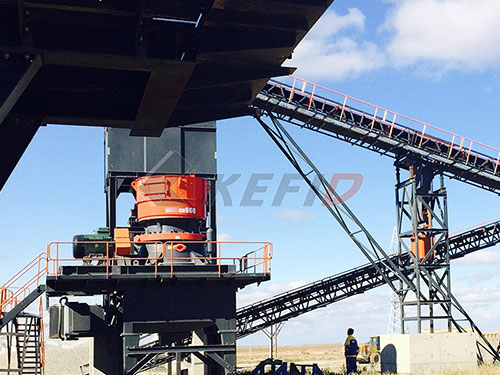

The Mobile Stone Revolution: Transforming Malaysia's Construction Landscape
The rhythmic pulse of Malaysia's development – from towering skyscrapers gracing Kuala Lumpur's skyline to expansive highway networks connecting its vibrant states and ambitious infrastructure projects fueling economic growth – relies fundamentally on a hidden hero: crushed stone aggregates. Traditionally sourced from large, stationary quarries feeding distant construction sites, this vital material supply chain faced significant logistical and environmental hurdles. Enter the transformative technology of Mobile Stone Crushers, rapidly becoming the cornerstone of a more efficient, flexible, and sustainable construction materials industry across Malaysia.
The Malaysian Context: Demand, Challenges, and Opportunity
Malaysia's relentless urbanization and infrastructure push create immense demand for aggregates. The National Construction Policy emphasizes sustainable development, while projects like the East Coast Rail Link (ECRL), Pan Borneo Highway upgrades, and numerous urban redevelopments consume vast quantities of sand and stone. However, traditional fixed crushing plants present distinct challenges:
1. Logistical Bottlenecks & High Transport Costs: Fixed plants often require transporting blasted rock over considerable distances for processing, followed by hauling finished aggregates back to dispersed project sites. This double handling significantly inflates costs (fuel, vehicle wear) and contributes to road congestion.
2. Limited Site Accessibility: Remote project locations or confined urban sites often lack the space or suitable access roads for establishing large permanent crushing facilities.
3. Environmental Footprint: Establishing fixed quarries involves substantial land use change, potential habitat disruption near sensitive areas (like forests or water bodies), dust generation over wide areas due to transport, and higher overall energy consumption per ton of material delivered on-site.
4. Project-Specific Inflexibility: Fixed plants are capital-intensive investments tied to specific locations with long-term reserves. They struggle to adapt quickly to shifting project demands or short-duration contracts.
Mobile Stone Crushers offer a compelling solution directly addressing these pain points.
Unpacking the Mobile Advantage: Technology at Work
A Mobile Stone Crusher is essentially a complete processing plant mounted on robust crawler tracks or heavy-duty wheeled chassis. This self-propelled unit integrates all core components:
1. Feeder: Receives raw material (demolition concrete waste, blasted rock from a nearby site face) via excavator or wheel loader.
2. Crusher: The heart of the operation. Common types deployed in Malaysia include:
Jaw Crushers: Primary crushers ideal for hard rock; robust design handles large feed