
Iso Certified Crushing And Screening Equipment Manufacturers
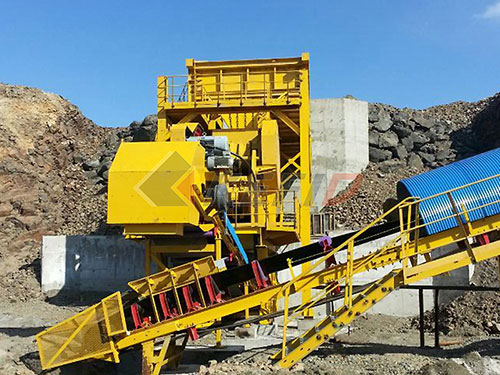

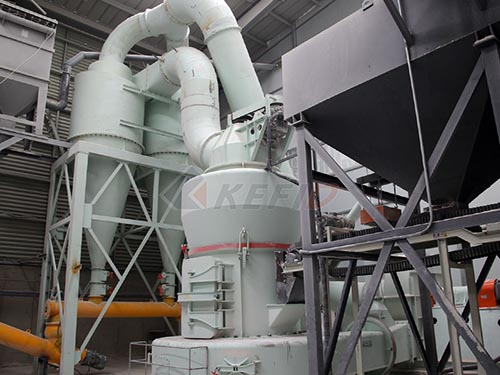
The Unseen Backbone: Why ISO Certification Matters in Crushing and Screening Equipment Manufacturing
The global construction, mining, and aggregate industries are colossal engines of development, literally building the foundations of modern society. At the heart of these operations lies a critical process: the reduction of raw materials like rock, ore, and concrete into precisely sized aggregates essential for everything from roads and buildings to industrial processes. This vital task falls upon crushing and screening equipment – rugged machines designed to withstand immense forces and continuous operation in often harsh environments. Within this demanding sector, manufacturers bearing the mark of ISO certification represent a distinct tier of commitment to quality, reliability, safety, and customer value.
Beyond Compliance: The Essence of ISO Certification
The International Organization for Standardization (ISO) develops globally recognized standards designed to ensure products, services, and systems are safe, reliable, and of good quality. For manufacturers of heavy industrial machinery like crushers (jaw, cone, impact) and screens (vibrating, trommel), achieving relevant ISO certifications is far more than just ticking a box for market access. It signifies a deeply embedded culture of excellence permeating every facet of their operations.
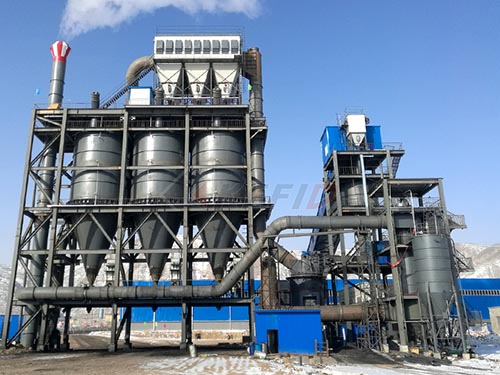
ISO standards relevant to crushing and screening equipment manufacturers include:
1. ISO 9001: Quality Management Systems (QMS): This is the cornerstone certification. It mandates a systematic approach to managing processes to ensure consistency in meeting customer requirements and enhancing satisfaction. It covers everything from design control and purchasing to production, inspection/testing (including rigorous factory acceptance tests - FATs), installation support (SATs), service delivery (field service protocols), corrective actions (robust root cause analysis for failures), and continuous improvement initiatives.
2. ISO 14001: Environmental Management Systems (EMS): As environmental regulations tighten globally and sustainability becomes paramount for customers' ESG goals (Environmental Social Governance), this standard demonstrates a manufacturer's commitment to minimizing its environmental footprint through efficient resource use (optimized steel cutting patterns), waste reduction strategies (recycling metal swarf), pollution prevention measures during manufacturing like paint booth filtration systems.
3. ISO 45001: Occupational Health & Safety Management Systems: Manufacturing heavy machinery involves significant inherent risks – heavy lifting with overhead cranes handling multi-ton castings; machining large components; welding; electrical work; noise exposure from fabrication areas; testing powerful machines under load). This standard provides a framework for proactively identifying hazards associated with these activities like pinch points or falling objects during assembly line workstations setup design considerations must address ergonomics too reducing worker