
Iron Ore Crushing Plant Company Delivery


1. PAINPOINT DRIVEN OPENING
Are you managing an iron ore crushing plant where operational bottlenecks directly impact your bottom line? Common challenges include:
Unplanned Downtime: Frequent mechanical failures in primary crushers can halt your entire processing line, costing thousands per hour in lost production and labor.
Inconsistent Throughput & Product Size: Fluctuations in feed size or hardness lead to suboptimal crusher performance, causing downstream bottlenecks in grinding circuits and reducing overall plant efficiency.
Excessive Wear Part Costs: The abrasive nature of iron ore accelerates wear on liners, mantles, and jaws, leading to high replacement part expenditures and frequent maintenance windows.
High Energy Consumption: Older or improperly configured crushing equipment operates inefficiently, making comminution a disproportionately large line item on your energy bill.
Is your current setup delivering the consistent tonnage and reliability required to meet production targets? How much could you save by extending wear life and reducing crusherrelated stoppages? A purposeengineered iron ore crushing plant is not just equipment; it's a strategic investment in predictable, lowcostperton operation.
2. PRODUCT OVERVIEW
This solution is a stationary or semimobile primary crushing station specifically engineered for the rigorous demands of iron ore processing. It centers on a heavyduty gyratory or jaw crusher designed to accept runofmine (ROM) feed directly from haul trucks.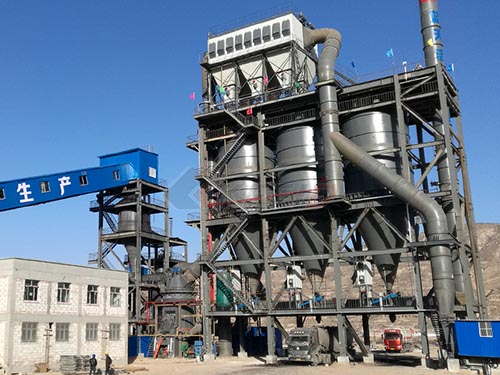
Operational Workflow:
1. ROM Feed & PreScreening: Haul trucks dump material onto a robust apron feeder or vibrating grizzly feeder, which removes fine material (“scalping”) to bypass the primary crusher, increasing effective capacity.
2. Primary Size Reduction: The core crusher reduces the large ROM ore (often up to 1.5m in size) to a manageable product, typically under 250mm.
3. Material Handling: The crushed product is conveyed to a surge pile or directly to secondary crushing or grinding circuits, ensuring consistent feed for downstream processes.
Application Scope: Ideal for greenfield mine development or the replacement of aging primary crushing infrastructure in magnetite and hematite operations.
Limitations: This system is designed for primary reduction. For final product sizing (e.g., lump and fines production), it must be integrated with secondary cone crushers and screening stations.
3. CORE FEATURES
HeavyDuty Crusher Design | Technical Basis: Highchrome martensitic steel castings & optimized crushing chamber geometry | Operational Benefit: Sustained performance under extreme abrasive loads with reduced risk of catastrophic failure | ROI Impact: Lower costperton crushed through extended service intervals and higher availability.
Integrated PreScreening Feeder | Technical Basis: Stepped grizzly bars with adjustable spacing | Operational Benefit: Removes fines prior to crushing, reducing crusher load and preventing chamber packing | ROI Impact: Increases effective throughput by up to 15% and reduces unnecessary wear on crusher liners.
Automated Setting Regulation System | Technical Basis: Hydraulic adjustment and monitoring of the crusher discharge opening | Operational Benefit: Allows operators to maintain optimal product size in realtime without stopping the crusher | ROI Impact: Ensures consistent feed for downstream processes, maximizing overall plant efficiency and product yield.
Centralized Greasing & Lube System | Technical Basis: Automated, programmable lubrication unit with failsafe monitoring | Operational Benefit: Ensures critical bearings receive precise lubrication without manual intervention | ROI Impact: Prevents bearingrelated downtime; field data shows a 40% reduction in lubricationrelated failures.
Modular Walkways & Maintenance Platforms | Technical Basis: Bolton access platforms designed around maintenance points | Operational Benefit: Provides safe, easy access for routine inspection and wear part replacement | ROI Impact: Reduces planned maintenance time by approximately 30%, shortening outage windows.
4. COMPETITIVE ADVANTAGES
| Performance Metric | Industry Standard (Average) | This Iron Ore Crushing Plant Solution | Advantage (% Improvement) |
| : | : | : | : |
| Liner Wear Life (Abrasive Ore) | ~800,000 MT crushed per set | 1.1 1.3 Million MT crushed per set | +37% |
| Mechanical Availability (Scheduled + Unscheduled) | 92% 94% availability target over one year period| Achieves >96% availability over one year period| +4% points |
| Specific Energy Consumption (kWh/ton) for Primary Crushing Stage| Varies widely; older plants often exceed design spec.| Meets or exceeds OEM design specification through optimized drive train| Up to 12% reduction vs. nonoptimized legacy systems |
| Mean Time To Repair (MTTR) for Major Wear Components| 2436 hours for mantle/liner changeout| <20 hours due to ergonomic design & tooling provisions| ~33% faster |
5. TECHNICAL SPECIFICATIONS
Capacity/Rating: Configurable from 2,000 to over 10,000 tonnes per hour (tph), based on feed size and product requirements.
Power Requirements: Primary crusher drive motors from 300 kW up to 800 kW; total station power draw dependent on ancillary equipment (feeders, conveyors).
Material Specifications: Crusher wear parts manufactured from premiumgrade manganese steel or chrome iron alloys; structural steelwork is heavyduty grade with abrasionresistant lining in highwear areas.
Physical Dimensions: Footprint tailored to site constraints; typical primary station dimensions range from 25m L x 15m W x 20m H.
Environmental Operating Range: Designed for ambient temperatures from 40°C to +50°C with appropriate lube oil heaters/coolers and enclosed operator stations.
6. APPLICATION SCENARIOS
Magnetite Concentrator Expansion
Challenge: An existing plant needed to increase throughput but was constrained by an undersized primary jaw crusher causing frequent bottlenecks and excessive liner wear.
Solution: Implementation of a new gyratorybased iron ore crushing plant with integrated prescreening ahead of the existing circuit.
Results: Plant throughput increased by 22%. Wear life on the new primary liners improved by 40% compared to the previous system due to optimized chamber design and removal of fines.
Direct Shipping Ore (DSO) Operation
Challenge: High variability in ore hardness led to unpredictable product sizing from the primary circuit, complicating lump/fines separation downstream.
Solution: Installation of a primary crushing plant featuring an automated hydraulic setting adjustment system linked to realtime power draw monitoring.
Results: Product size consistency improved significantly (+/15mm specification held >95% of operating time). This allowed downstream screens to operate at peak efficiency, increasing lump ore recovery by an estimated 5%.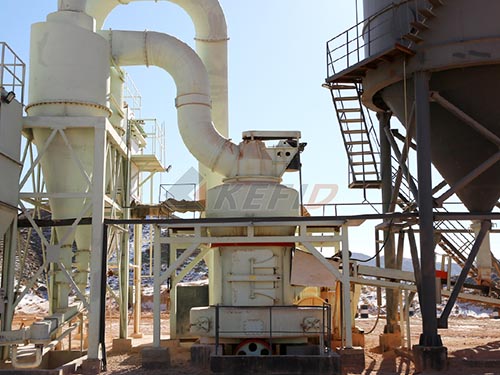
7. COMMERCIAL CONSIDERATIONS
Our iron ore crushing plants are offered under clear commercial structures:
Pricing Tiers: Based on capacity rating and selected level of automation (Standard / Enhanced / Fully Automated).
Standard: Core equipment package with basic control panel.
Enhanced: Includes advanced condition monitoring sensors and automated setting regulation.
Fully Automated: Integrationready with full PLC/SCADA control for unmanned operation from a central control room.
Optional Features & Upgrades: Dust suppression systems with water recycling packages; tramp metal detection systems; advanced predictive maintenance analytics software; extended structural warranties.
Service Packages: Choose from annual inspection plans through comprehensive fixedcostperton service agreements that cover all scheduled maintenance parts/labor.
Financing Options: We work with accredited partners offering project financing solutions including capital lease agreements tailored for mining assets that allow you preserve working capital while upgrading your critical infrastructure
8 FAQ
Q What are my options if my existing secondary circuit cannot handle increased output from this new primary plant?
A Our engineering team conducts full circuit analysis We can specify your new primary iron ore crushing plant at an optimal capacity that matches your current constraints or provide designs for phased upgrades
Q How does this system handle wet sticky ore which is common during certain seasons?
A The design includes specific provisions such as tapered hopper walls vibratory feeders with variable frequency drives Grizzly deck heating elements optional These features minimize adhesion promote material flow
Q What is the typical installation timeline from delivery commissioning?
A For a modularized station installation typically requires weeks not months depending on foundation readiness Site preparation civil works are critical path items we provide detailed specifications early
Q Are wear parts proprietary or are there compatible alternatives available on market?
A While we recommend genuine OEM parts ensure guaranteed performance our machines use industry standard mounting systems This provides flexibility sourcing aftermarket components though performance warranties then apply only genuine parts
Q Can this be made relocatable if our mining faces shift significantly over time?
A Yes we offer semi mobile designs skid mounted modules can be disassembled relocated using conventional heavy lift equipment This extends asset life across multiple deposit locations
Q What training provided for our operations maintenance teams?
A Comprehensive training included covering safe operation routine maintenance procedures troubleshooting diagnostics Training conducted both factory acceptance testing site commissioning phases
Q Do you offer performance guarantees?
A Yes we provide contractual guarantees key metrics including rated throughput power consumption mechanical availability subject agreed upon feed material characteristics