
Industrial Sand Gravel Mining Vendors
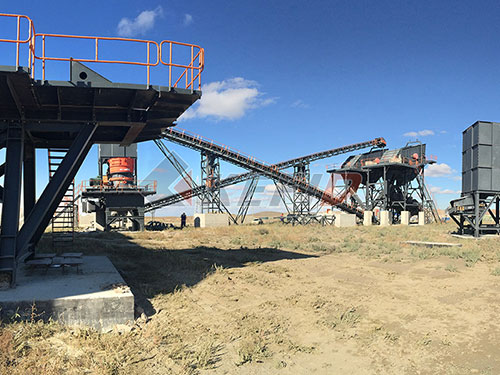

Addressing the Core Challenges of Industrial Sand & Gravel Extraction
Your operation faces relentless pressure: maximizing yield from variable deposits, controlling spiraling fuel and maintenance costs, and meeting stringent spec requirements—all while ensuring site safety and uptime. Inefficient processing directly impacts your bottom line. Are you experiencing:
High Reject Rates & Product Contamination: Inconsistent feed material leading to offspec product, costly waste, and missed revenue opportunities?
Unscheduled Downtime & Maintenance Costs: Frequent component wear from abrasive materials, causing production halts and unpredictable repair expenses?
Excessive Energy Consumption: Older, singlestage crushing circuits or inefficient screening that drive unsustainable power costs per ton?
LaborIntensive Material Handling: Reliance on manual sorting, cleaning, or transfer points that increase labor costs and safety risks?
Space & Permitting Constraints: Difficulty deploying a highcapacity processing circuit within a limited footprint or under strict environmental regulations?
The right industrial sand gravel mining vendor partnership provides not just equipment, but a integrated material processing solution engineered to overcome these specific hurdles.
Product Overview: Modular Sand & Gravel Processing Plants
A modern industrial sand gravel mining plant is a coordinated system of feeding, crushing, screening, washing, and material handling modules. It transforms raw feed into precisely graded sand (concrete, asphalt, mason) and aggregate products. The operational workflow is a continuous circuit:
1. Primary Size Reduction: Raw feed is introduced via vibrating grizzly feeders to a primary crusher (e.g., jaw or cone) for initial breakdown.
2. Classification & Washing: Material is conveyed to screening decks for separation by size. Sand fractions are routed to cyclones or screw classifiers for attrition scrubbing and fines removal.
3. Secondary Processing & Stockpiling: Oversize material may be recirculated through secondary/tertiary crushers. Onspec product is conveyed to designated stockpiles.
This solution is designed for medium to highvolume commercial sand and gravel pits. Its primary limitation is initial capital outlay; however, its modularity allows for phased implementation and reconfiguration as deposit characteristics change.
Core Features of Advanced Processing Plants
Modular Circuit Design | Technical Basis: Preengineered, skidmounted modules with standardized connections | Operational Benefit: Rapid deployment (<30% faster than traditional builds) and future reconfiguration without custom fabrication | ROI Impact: Reduces site construction costs by an estimated 1525% and protects investment against deposit variability
Intelligent Process Control System | Technical Basis: PLCbased automation with load management and realtime data logging | Operational Benefit: Optimizes crusher settings and feed rates dynamically, ensuring peak efficiency and consistent gradation | ROI Impact: Field data shows a 712% reduction in energy consumption per ton processed
AbrasionResistant Liner Packages | Technical Basis: Highchrome white iron or ceramic composite liners in highwear zones | Operational Benefit: Extends service intervals in crusher chambers, chutes, and slurry lines by 23x | ROI Impact: Lowers costperton for wear parts by up to 40% based on comparative wear studies
Integrated Water Management & Recycling | Technical Basis: Closedloop settling ponds or thickener systems with clarified water return pumps | Operational Benefit: Dramatically reduces fresh water makeup requirements (up to 90% recirculation) and minimizes settling pond footprint | ROI Impact: Cuts water procurement and handling costs while simplifying environmental compliance
HighFrequency Dewatering Screens | Technical Basis: Multifrequency vibration technology for fine material separation and moisture reduction | Operational Benefit: Produces dripfree concrete sand at up to 12% moisture content directly from the screen, reducing stockpile drainage time | ROI Impact: Eliminates need for additional drying equipment in many climates, saving on fuel and capital expenditure

Competitive Advantages vs. Standard Fixed Plant Designs
| Performance Metric | Industry Standard Plant | Modular Sand & Gravel Solution | Advantage |
| : | : | : | : |
| Plant Commissioning Timeline | 69 months (fixed foundation) | 34 months (skidmounted) | ~50% faster deployment |
| Mobility / Relocation Cost| High (dismantle & rebuild) | Moderate (module transport) | ~60% lower relocation cost |
| Energy per Ton Processed| Baseline (100%)| Optimized via automation & efficient drives| 1015% improvement |
| Wear Part Life (Abrasive Feed)| Standard manganese steel| Specialized alloy/ceramic packages| 80120% improvement |
| Water Consumption per Ton| Baseline (100%)| Closedloop recycling systems| 7085% improvement |
Technical Specifications Overview
Processing Capacity: Configurable from 150 to over 800 tons per hour (TPH), depending on feed material hardness (CWI/AI) and product mix.
Power Requirements: Total plant draw typically ranges from 500 kVA to 1.5 MVA; designed for grid connection with softstart systems on major motors.
Material Specifications: Constructed from ASTM A36 steel; highstress areas use T1 steel or equivalent. Liners available in AR400/500 steel, highchrome iron (27% Cr), or polyurethane.
Physical Dimensions: Primary module footprints range from 8m x 20m (Feeder/Crusher) to 6m x 12m (Screening Tower). Height varies by configuration.
Environmental Operating Range: Designed for 25°C to +45°C ambient temperature. Dust suppression systems standard; sound enclosures available for <85 dB(A) at perimeter.
Application Scenarios
[Regional Concrete Aggregate Producer] Challenge: A producer needed consistent 57 gravel and concrete sand from a claybound deposit but faced blinding of screens and poor fines control with older equipment.Solution: Implementation of a modular plant featuring a robust log washer for clay breakdown followed by highfrequency dewatering screens.Results: Achieved >95% clay removal efficiency; produced inspec concrete sand at 11% moisture; increased saleable product yield by 22%.
[Riverside Alluvial Deposit Operation] Challenge: An operation with strict water usage permits required highvolume washing but could not afford the water consumption or settling pond real estate of a traditional setup.Solution: Deployment of a complete circuit with a primary wash screen cyclones feeding into an integrated water clarification/recycling system.Results: Reduced fresh water makeup requirement from ~500 USgpm to <75 USgpm; cut settling pond area needed by twothirds; maintained production of 400 TPH of mason sand.
Commercial Considerations
Pricing Tiers are defined by capacity and complexity:
EntryLevel / Supplemental Modules: For specific process stages (e.g., standalone washing screen), starting in the low sixfigures.
Standard Complete Plant: Fully functional circuit for common deposits (~250400 TPH), typically in the midsixfigure range.
HighCapacity/Turnkey Systems: Largescale (>600 TPH), highly automated plants with advanced controls; investments begin in the sevenfigure range.
Optional Features include telescoping radial stackers for larger stockpiles , automated sampler systems for quality control , remote telematics for performance monitoring , Tier IV Final/Variable Speed diesel genset power packages .
Service Packages are critical:
1. Planned Maintenance Agreements: Scheduled inspections parts discounts priority service .
2. Performance Guarantees: Backed by process engineering reviews specific throughput gradation targets .
3. Operator Training Programs: Onsite certification for plant control maintenance troubleshooting .
Financing Options through vendor partners typically include capital leases operating leases longterm rentaltoown structures tailored cash flow needs .
Frequently Asked Questions
Q1: How do I determine if my deposit is suitable for this type of modular plant?
A core sample analysis is essential We provide guidelines testing protocols evaluate abrasion index clay content particle size distribution recommend optimal circuit configuration before any commitment.
Q2: What level of operator expertise is required?
The control system simplifies operation requiring basic PLC interface literacy Comprehensive training certifies your team startup Ongoing remote support available
Q3: Can existing equipment be integrated into a new modular system?
Yes strategic integration conveyors crushers possible Engineering review determines compatibility necessary modifications ensure system harmony
Q4: What are realistic timelines from order commissioning?
For standard configurations delivery typically occurs within weeks order placement Site preparation commissioning require additional weeks depending scope
Q5 How does pricing compare traditional fixed plant construction?
While major component costs comparable modular approach offers significant savings site civil works installation labor resulting total project cost often % lower similar capacity fixed plant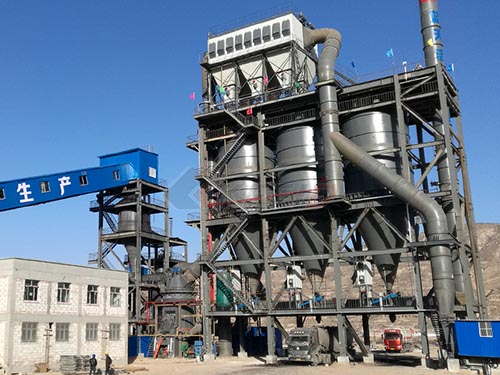
Q6 What warranty coverage provided?
Structural components carry year warranty Mechanical electrical parts covered standard year period Wear items consumables covered under separate terms outlined agreement
Q7 Are performance guarantees offered?
Yes based agreed feed characteristics we guarantee minimum throughput final product gradation specifications within defined power consumption parameters formalized contract