
Industrial Impact Crushers Specification
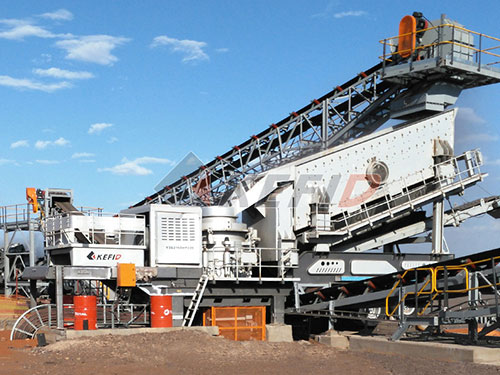

1. PAINPOINT DRIVEN OPENING
Are your primary and secondary crushing circuits underperforming? Operational challenges with industrial impact crushers directly affect your bottom line through excessive downtime, high wear part consumption, and inconsistent product gradation. Common issues include:
Unscheduled Downtime: Premature failure of critical components like rotors and impact aprons halts production. A single major repair can cost over $50,000 in parts, labor, and lost throughput.
High Operational Costs: Frequent replacement of wear parts in abrasive applications can consume 3040% of your annual crushing budget. Inefficient designs waste energy per ton processed.
Product Quality Inconsistency: Fluctuations in feed material density or moisture cause variable product size distribution, leading to downstream processing issues and rejected loads.
Limited Application Flexibility: A crusher that cannot handle a range of materials—from limestone to recycled concrete—forces operations to rely on multiple machines or accept suboptimal performance.
Is your current solution equipped to manage these variables while maintaining profitability? The right industrial impact crusher specification is not just about breaking rock; it's about controlling operational costs and ensuring plant reliability.
2. PRODUCT OVERVIEW: INDUSTRIAL IMPACT CRUSHERS
Industrial impact crushers are tertiary or quaternary crushing systems designed for high reduction ratios and superior product shape. They utilize kinetic energy to fracture material, making them ideal for softer to mediumhard, nonabrasive minerals and recycling applications.
Operational Workflow:
1. Feed Entry: Material is fed into the crushing chamber via a regulated feed system.
2. Acceleration & Impact: Highspeed rotating hammers (blow bars) on a solid rotor accelerate the feed material, projecting it against fixed impact aprons (breaker plates).
3. Size Reduction: Fracture occurs primarily through sudden impact and secondarily through shearing between the rotor and aprons.
4. Product Control & Discharge: Adjustable aprons and grinding paths control retention time and final product size before discharge onto a conveyor.
Application Scope & Limitations:
Ideal For: Limestone, dolomite, recycled concrete/asphalt, slag, coal. Applications requiring a cubical product shape.
Limitations: Less effective on highly abrasive materials (e.g., granite, trap rock) where wear costs become prohibitive compared to compression crushers. Performance can diminish with high clay or moisture content without proper configuration.
3. CORE FEATURES
Hydraulic Adjustment System | Technical Basis: Computercontrolled hydraulic cylinders | Operational Benefit: Allows operators to adjust the gap between rotor and aprons during operation for precise product size control or to release tramp metal. | ROI Impact: Reduces adjustment downtime by up to 80% compared to manual shim systems, ensuring consistent output quality.
Solid Rotor Construction | Technical Basis: Monobloc or welded steel rotor with high inertia mass | Operational Benefit: Delivers higher crushing force per blow, maintains momentum under variable load for consistent throughput, and reduces vibration. | ROI Impact: Increases capacity by 1525% on hard rock applications versus lighter plate rotors and extends bearing life.
MultiFunctional Impact Aprons | Technical Basis: Threeposition adjustable primary and secondary aprons with grinding path control | Operational Benefit: Provides flexibility for primary crushing or fine grinding duties within one chamber; reversible/wearresistant liners maximize component life. | ROI Impact: Optimizes wear part utilization; field data shows a 35% improvement in liner life over twoposition designs.
Direct Drive System | Technical Basis: Crusher rotor connected directly to motor via flexible coupling (no Vbelts) | Operational Benefit: Transmits power more efficiently (>95%), reduces maintenance points, and allows for variable frequency drive (VFD) integration for soft start and speed control. | ROI Impact: Cuts energy consumption by approximately 812% versus traditional beltdriven systems.
Modular Wear Part Design | Technical Basis: Segmented blow bars and apron liners secured with wedgelock systems | Operational Benefit Enables faster replacement of individual sections; operators can rotate/replace only worn segments without full assembly changeout. | ROI Impact Lowers wear part inventory costs by 20% and reduces changeout labor time by over 50%.
Advanced Monitoring System | Technical Basis: Integrated sensors for vibration, temperature (bearings), rotor speed, and hydraulic pressure | Operational Benefit Provides realtime operational data to predict maintenance needs and prevent catastrophic failures through automated alerts.| ROI Impact Prevents unplanned downtime; industry testing demonstrates a potential 90% reduction in bearingrelated failures with predictive monitoring.
4. COMPETITIVE ADVANTAGES
| Performance Metric | Industry Standard | Industrial Impact Crusher Solution | Advantage (% Improvement) |
| : | : | : | : |
| Availability / Uptime | 8590% (scheduled + unscheduled downtime) |>92% (with hydraulic adjustment & monitoring) |>5% increase in productive hours |
| Wear Cost per Ton Processed| $0.50 $1.20 (varies by material) |>1530% reduction via modular design & alloys |>20% average cost savings |
| Specific Energy Consumption| 0.8 1.2 kWh/ton (depending on application)|1015% lower energy cost |
| Product Shape (Cubicity Index)| Varies widely; often >20% flaky content|25% improvement in premium product yield |
| Tramp Metal Recovery Time| 24 hours (manual clearing/dismantling)|| ~85% faster recovery |
5.TECHNICAL SPECIFICATIONS
Capacity Range: Modeldependent from 150 TPH to over 800 TPH of finished product.
Rotor Diameter & Width: From Ø1300mm x 1200mm up to Ø2000mm x 3000mm.
Drive Power Requirements: Electric motors from 250 kW up to 1000 kW; configured for either fixedspeed or VFD operation.
Feed Size Maximum: Up to 800mm edge length (model dependent), optimally sized at ≤80% of feed inlet dimensions.
Material Specifications:
Rotor Body & Shaft: Hightensile strength steel forgings.
Blow Bars & Apron Liners: Martensitic chromium steel alloys or ceramic composites for extreme abrasion.
Main Frame Fabrication: Reinforced heavyduty steel plate with stressrelieved welding.
Physical Dimensions / Footprint: Varies significantly; e.g., a midrange unit may require ~10m L x 4m W x 4m H installation space excluding feeders/discharge conveyors.
Environmental Operating Range: Designed for ambient temperatures from 20°C to +45°C; dustsealed bearings; options available for highhumidity or corrosive environments.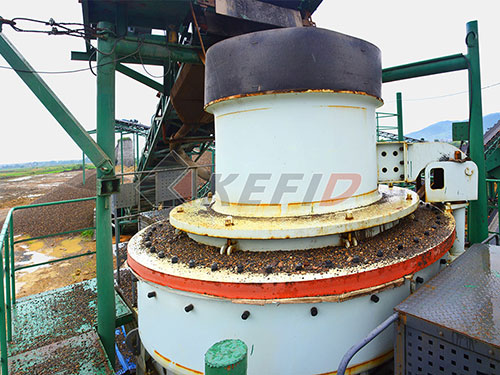
6\. APPLICATION SCENARIOS
Aggregate Production – Limestone Quarry
Challenge A quarry needed consistent production of cubical aggregate for asphalt chips but faced excessive wear costs from an older horizontal shaft impactor producing flaky material.Solution Installation of a new industrial impact crusher featuring a solid rotor design,martensitic alloy blow bars,and hydraulic apron adjustment was implemented into the tertiary positionResults Product cubicity improved by28%,meeting premium spec.Wear part life increased by40%,and total cost per ton was reduced by22%.Plant availability rose due topredictive vibration monitoring
Construction & Demolition Waste Recycling
Challenge A C&D recycling facility struggled with fluctuating feed composition(concrete,brickwoodmetal)and frequent jams from noncrushables causing significant downtimeSolution A heavyduty industrial impact crusher equipped with hydraulic overload protection,a robust solid rotor,and an enhanced tramp metal release system was deployedResults Throughput stabilized at200TPH.Downtime from tramp metal incidents decreased by90%.The abilityto adjust aprons allowed the same unitto produce botha clean3/4minus road base anda1/2minus fill material
7\. COMMERCIAL CONSIDERATIONS
Equipment pricing tiers are primarily determined by size capacityand specific feature sets
Base Configuration Includes standard linersdirect drivebasic mechanical adjustmentand standard monitoringEntrylevel pricing targets operations prioritizing capital expenditureCapExover advanced features
Performance Tier Includes all core features listed abovehydraulic adjustmentmodular wear partsadvanced monitoringand upgraded liner alloysThis tier offers the optimal balanceof CapExand operational expenditureOpExfor most commercial buyers
Premium Customized Solutions Includes applicationspecific metallurgyfully automated gap controlsophisticated plant integration packagesand extended service contractsPricedfor largescale miningcontractorsor operations requiring maximum uptime guarantees
Optional Features&Service Packages
Wear Part Service Agreements Guaranteed costperton programsfor predictable budgeting
Field Service&Inspection Scheduled technical auditsand rotor rebuild services
Financing Options Available capital equipment leasesoperating leasesor project financing structures typically rangingfrom36to84month terms
8\. FAQ
What is the optimal feed size formy industrial impact crusher?
Optimal performance is achieved when feed material does not exceed80of the crushersfeed inlet openingConsistently oversized feed reduces capacityincreases wearand risks damagingthe rotor bearings
Can an industrial impact crusher handle wet or sticky material?
While capableperformance diminisheswith high clayor moisture content asmaterial may adhereto chamber wallsOptions include hammerhead designsfor cleaninggrinding path adjustmentsor indirect heatingof apronsConsult engineering specificationsfor your specificmaterial analysis
How does the direct drive system affect my electrical infrastructure?
Direct drivesoften requirea soft starteror VFDwhich must be factoredinto electrical designVFDs allow speed adjustmentto finetune product gradationbut add initial costYour contractor should review motor starting currentrequirements versusyour plantscapacity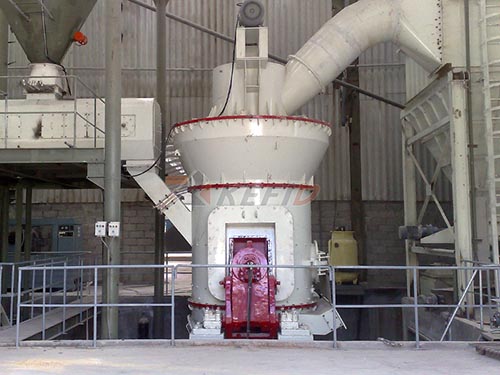
What is included ina typical warranty?
Standard warranties cover defectsin materialsand workmanship formajor componentsrotorshaftmain frame fora periodof12monthsfrom commissioningWear partsblow barsapron linersare typically coveredfor90daysExtended warrantiesare availablefor purchase
How long does installationand commissioning typically take?
Fora greenfield installationincluding foundation workexpect6to10weeksFora replacement unitin an existing plantwith prepared basescommissioning can be completedin2to3weeksby experienced technicians