
Industrial Cement Plant Equipment Specification
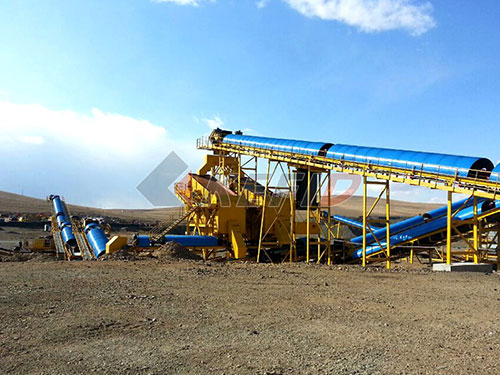

Industrial Cement Plant Equipment: Rotary Kiln Systems for Clinker Production
Operational Challenges in Cement Clinker Production
Cement plant managers and process engineers face persistent obstacles that directly impact production output and operating margins:
Unplanned kiln downtime costs $15,000–$45,000 per day in lost clinker production, depending on line capacity. Refractory failure, shell distortion, and drive train issues remain the leading causes of forced outages in rotary kiln systems.
Thermal efficiency losses of 8–12% are common in aging kiln installations, translating to excessive coal or alternative fuel consumption per ton of clinker. At current fuel costs, this represents millions in annual operating expenses for a single production line.
Emissions compliance pressure continues to tighten. Cement producers must meet increasingly stringent NOx, SO2, and particulate limits while maintaining output—a balance that older equipment often cannot achieve without costly retrofits.
Inconsistent clinker quality from unstable kiln operation leads to downstream issues: variable cement strength, increased grinding energy requirements, and customer quality complaints.
Refractory life cycles that fall below 10–12 months drive up maintenance costs and consume valuable production time during brick replacement.
These challenges raise critical questions: Is your kiln system operating at peak thermal efficiency? What is your actual cost per ton of clinker produced? How much production are you losing to preventable equipment failures?
Product Overview: Rotary Kiln Systems for Cement Clinker Production
A rotary kiln is the heart of any integrated cement plant—a thermally insulated rotating cylinder where raw meal undergoes calcination and clinkerization at temperatures exceeding 1,450°C. The system transforms raw materials (limestone, clay, iron ore, and additives) into Portland cement clinker through a controlled pyroprocessing sequence.
Operational Workflow
1. Raw Meal Preparation and Feeding: Preblended and homogenized raw meal is fed into the kiln system at a controlled rate, typically through a preheater tower or directly into the kiln inlet.
2. Preheating and Calcination: In preheaterequipped systems, raw meal passes through cyclonic stages where exhaust gases progressively heat the material to 800–900°C, initiating calcination (CaCO3 → CaO + CO2).
3. Clinkerization in the Burning Zone: Material enters the rotary kiln where fuel combustion in the burning zone generates temperatures of 1,450–1,550°C, causing partial melting and formation of alite, belite, aluminate, and ferrite clinker phases.
4. Cooling: Hot clinker discharges into a clinker cooler where ambient air rapidly reduces temperature from ~1,350°C to below 100°C, recovering heat for secondary and tertiary air.
5. Clinker Transport and Storage: Cooled clinker is conveyed to storage silos or directly to cement grinding mills.
Application Scope and Limitations
| Parameter | Typical Range |
|||
| Production capacity | 500–12,000 TPD clinker |
| Kiln diameter | 2.4–6.0 meters |
| Kiln length | 40–100 meters |
| Fuel types | Coal, petcoke, natural gas, alternative fuels (RDF, tires, biomass) |
| Raw material moisture | Up to 8% (with preheater) |
Limitations: Rotary kiln systems require consistent raw meal chemistry for stable operation. High chloride or alkali content in raw materials may necessitate bypass systems. Alternative fuel utilization above 30% thermal substitution typically requires specialized burner and feeding systems.
Core Features
1. MultiStage Preheater Tower | Technical Basis: Countercurrent gassolid heat exchange across 4–6 cyclone stages | Operational Benefit: Reduces specific heat consumption to 730–780 kcal/kg clinker | ROI Impact: 15–20% fuel cost reduction compared to long dry kilns
2. Calciner with Tertiary Air Duct | Technical Basis: Separate combustion zone for fuel injection with preheated tertiary air | Operational Benefit: Enables 60%+ calcination before kiln inlet, reducing thermal load on burning zone | ROI Impact: Extends refractory life by 3–5 months; permits higher alternative fuel substitution rates
3. HighEfficiency Clinker Cooler | Technical Basis: Reciprocating grate design with optimized air distribution plates | Operational Benefit: Recovers 70–75% of clinker heat for combustion air preheating | ROI Impact: Reduces specific fuel consumption by 40–60 kcal/kg clinker
4. Advanced Kiln Shell Design | Technical Basis: Finite element analysisoptimized shell thickness with corrosionresistant alloy in burning zone | Operational Benefit: Maintains ovality tolerances under thermal cycling | ROI Impact: Extends shell campaign life to 8–10 years, reducing replacement frequency
5. MultiChannel Burner System | Technical Basis: Independent axial, radial, and swirl air channels with adjustable geometry | Operational Benefit: Precise flame shaping for optimal clinker mineralogy and coating formation | ROI Impact: Reduces NOx formation by 20–30% through staged combustion; improves clinker quality consistency
6. Variable Frequency Drive Kiln Main Drive | Technical Basis: AC drive with regenerative braking capability | Operational Benefit: Smooth speed control from 0.5–4.5 RPM with precise torque management | ROI Impact: Reduces starting torque stress on girth gear and pinion; eliminates mechanical slip losses
7. Integrated Kiln Control System | Technical Basis: Model predictive control with realtime shell scanning and gas analysis | Operational Benefit: Stabilizes kiln operation within ±5°C of target burning zone temperature | ROI Impact: Reduces specific heat consumption variability by 3–5%; decreases operator intervention frequency
Competitive Advantages
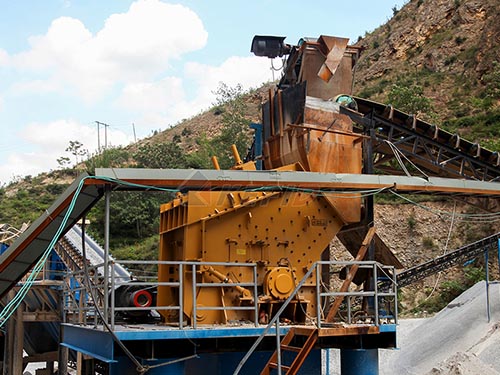
| Performance Metric | Industry Standard | Rotary Kiln Solution | Advantage (% Improvement) |
|||||
| Specific heat consumption | 820–900 kcal/kg clinker | 730–780 kcal/kg clinker | 10–15% reduction |
| Thermal efficiency | 55–62% | 68–72% | 12–16% improvement |
| Refractory life (burning zone) | 8–10 months | 12–15 months | 40–50% extension |
| Kiln availability | 88–91% | 93–96% | 4–6% improvement |
| NOx emissions (without SNCR) | 800–1,200 mg/Nm³ | 500–700 mg/Nm³ | 30–40% reduction |
| Alternative fuel substitution rate | 15–25% | 40–60% | 100–150% increase |
| Clinker free lime variability | ±0.8% | ±0.4% | 50% tighter control |
Technical Specifications
| Parameter | Specification Range |
|||
| Capacity | 500–12,000 TPD clinker production |
| Kiln Dimensions | Diameter: 2.4–6.0 m; Length: 40–100 m |
| Kiln Slope | 2.5–4.0% (typical 3.5%) |
| Rotation Speed | 0.5–4.5 RPM (variable) |
| Main Drive Power | 200–2,500 kW depending on capacity |
| Specific Heat Consumption | 730–780 kcal/kg clinker (preheater systems) |
| Burning Zone Temperature | 1,450–1,550°C |
| Material Residence Time | 20–40 minutes in kiln |
| Gas Residence Time | 4–8 seconds above 1,000°C |
| Refractory Type (Burning Zone) | Basic bricks: magnesiaspinel, magnesiachrome |
| Shell Material | Carbon steel with alloy sections in burning zone |
| Cooler Type | Reciprocating grate, 3rd–4th generation |
| Fuel Flexibility | Coal, petcoke, oil, gas, RDF, tires, biomass |
| Ambient Operating Range | 20°C to +50°C |
| Altitude Capability | Up to 3,000 m (with derating above 1,500 m) |
| Emissions Control | SNCRready, bag filter/ESP compatible |
Application Scenarios
Integrated Cement Plant | Challenge: A 3,000 TPD production line faced specific heat consumption of 880 kcal/kg clinker with refractory life averaging 9 months, driving high operating costs and frequent outages | Solution: Installation of a 5stage preheater with calciner, highefficiency clinker cooler, and multichannel burner with kiln control system optimization | Results: Specific heat consumption reduced to 755 kcal/kg clinker (14% improvement); refractory life extended to 13 months; kiln availability increased from 89% to 94%; annual fuel cost savings of $2.8 million
White Cement Production | Challenge: A specialty white cement producer required clinker with minimum iron content and consistent whiteness index above 88, but experienced color variation and high rejection rates | Solution: Rotary kiln with specialized refractory lining, indirect firing system, and precise temperature control in the burning zone | Results: Whiteness index stabilized at 89–91; rejection rate reduced from 8% to 2%; production capacity maintained at 800 TPD with fuel flexibility for petcoke and natural gas
Alternative Fuel CoProcessing | Challenge: A cement plant targeting 50% thermal substitution rate faced operational instability, incomplete combustion, and increased CO emissions when firing RDF and tirederived fuel | Solution: Calciner with extended residence time, specialized alternative fuel feeding system, and upgraded burner with improved mixing characteristics | Results: Thermal substitution rate achieved 55%; CO emissions maintained below 100 mg/Nm³; clinker quality remained within specification; annual coal cost reduction of $4.2 million
Commercial Considerations
Equipment Pricing Tiers
| Tier | Scope | Typical Investment Range |
||||
| Standard Configuration | Kiln shell, refractory, drive system, basic cooler, 4stage preheater | $8–15 million (3,000 TPD) |
| HighEfficiency Configuration | Above plus 5stage preheater with calciner, advanced cooler, multichannel burner | $12–22 million (3,000 TPD) |
| Full Optimization Package | Above plus kiln control system, alternative fuel feeding, SNCR system, waste heat recovery | $18–30 million (3,000 TPD) |
Note: Pricing varies by capacity, site conditions, and scope of auxiliary equipment. Contact for detailed projectspecific quotations.
Optional Features
- Waste Heat Recovery System: Power generation from kiln exhaust gases (3–5 MW typical for 3,000 TPD)
- SNCR/SCR Systems: NOx reduction to meet local emissions standards
- Alternative Fuel Feeding Systems: For RDF, tires, biomass, and hazardous waste coprocessing
- Kiln Shell Scanning System: Realtime thermal monitoring for refractory management
- Online Gas Analysis: Continuous monitoring of O2, CO, NOx, SO2 for combustion optimization
- Commissioning Support: Onsite engineering assistance during installation and startup
- Performance Guarantee Testing: Verified achievement of guaranteed capacity, heat consumption, and emissions
- Preventive Maintenance Programs: Scheduled inspections, refractory management, and spare parts planning
- Operator Training: Classroom and handson training for kiln operation and emergency procedures
- Remote Monitoring: 24/7 data analysis and troubleshooting support
- Equipment leasing with purchase option
- Export credit agencybacked financing
- Performancebased contracting with shared savings
- Turnkey EPC arrangements with milestone payments
Service Packages
Financing Options
Frequently Asked Questions
Q1: What raw material characteristics are required for optimal rotary kiln operation?
Your raw meal should maintain a lime saturation factor (LSF) of 92–98, silica modulus (SM) of 2.2–2.8, and alumina modulus (AM) of 1.2–1.8. Chloride content should remain below 0.015% and alkali content (Na2O + K2O) below 1.0% to avoid buildup issues. We provide raw mix design support during project engineering.
Q2: How does the rotary kiln system handle alternative fuels without compromising clinker quality?
The calciner design provides sufficient residence time and turbulence for complete combustion of alternative fuels. Fuel feeding is staged to maintain stable burning zone conditions. Field data from operating installations shows clinker quality parameters remain within specification at substitution rates up to 60% when proper fuel preparation and feeding systems are employed.
Q3: What is the typical lead time for equipment delivery and installation?
For a complete rotary kiln system, manufacturing lead time is 10–14 months depending on capacity and configuration. Site installation and commissioning typically require an additional 8–12 months. We provide detailed project schedules during the engineering phase.
Q4: How does the kiln control system integrate with existing plant DCS?
The kiln control system communicates via standard industrial protocols (OPCUA, Modbus TCP, Profibus) and can interface with all major DCS platforms. Our engineering team provides configuration support for seamless integration with your existing plant control architecture.
Q5: What guarantees are provided for capacity and heat consumption?
We offer performance guarantees for clinker production capacity, specific heat consumption, and emissions levels. These guarantees are verified through standardized performance tests conducted after commissioning. Typical guarantees include ±3% capacity tolerance and ±5% heat consumption tolerance.
Q6: What maintenance requirements does the rotary kiln system have?
Daily inspections include shell temperature monitoring, drive system checks, and cooler grate condition assessment. Refractory inspection is recommended every 6–12 months depending on operating conditions. Major overhauls (shell replacement, girth gear inspection) typically occur every 5–8 years. We provide detailed maintenance schedules and spare parts recommendations.
Q7: Can an existing kiln be upgraded to achieve the performance levels described?
Yes. Many cement producers achieve significant improvements through targeted upgrades: preheater modification, cooler replacement, burner upgrade, and control system installation. We conduct kiln audits to identify the most costeffective upgrade path for your specific installation. Typical payback periods for upgrade projects range from 18–36 months.