
Import Slag Crusher Plant Factory Price

1. PAINPOINT DRIVEN OPENING
Managing slag stockpiles is a persistent operational and financial drain. Are you facing these common challenges?
High Disposal Costs & Liability: Landfilling slag is increasingly expensive and carries longterm environmental liability. Every ton processed onsite is a direct cost saving.
Inefficient, HighWear Processing: Using standard crushers not designed for abrasive slag leads to excessive wear on liners and hammers, causing frequent downtime and high parts replacement costs.
Lost Revenue Stream: Unprocessed slag represents untapped value. Inefficient crushing prevents optimal recovery of metallic content and yields inconsistent aggregate size, reducing marketability.
Bottlenecks in Material Flow: A plant reliant on intermittent, thirdparty crushing creates scheduling headaches and halts downstream operations, impacting overall production timelines.
Safety & Dust Concerns: Manual handling and open crushing of slag generate significant dust, creating health hazards and potential compliance issues.
What if you could transform this waste liability into a controlled, profitable operation directly at your facility? The solution lies in a dedicated, engineered system.
2. PRODUCT OVERVIEW
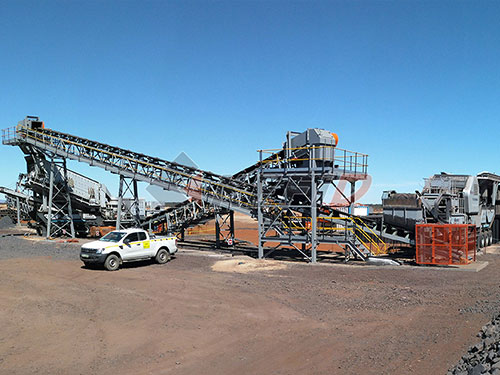
The Slag Crusher Plant is a stationary or semimobile processing system engineered specifically for the reduction and beneficiation of metallurgical slag (blast furnace, steel furnace, copper, etc.). It transforms large, irregular slag feed into precisely graded aggregate for use as construction material or for efficient metal recovery.
Operational Workflow:
1. Feed & PreScreening: Runofpile slag is fed via loader into a hopper, often with a grizzly section to bypass fine material.
2. Primary Size Reduction: A robust primary crusher (typically a jaw crusher) breaks down large slabs to a manageable size.
3. Metal Separation & Recovery: Critical stage where liberated metallic pieces are removed via an overhead magnetic separator for recycling.
4. Secondary Crushing & Final Sizing: A secondary crusher (often a cone or impactor) further reduces the material to the target product size(s).
5. Sizing & Stockpiling: Vibrating screens classify the crushed slag into specified fractions (e.g., 05mm, 520mm), which are then conveyed to stockpiles.
Application Scope: Ideal for steel mills, nonferrous smelters, recycling yards, and independent aggregate producers handling slag. Not suitable for primary rock mining or processing highly plastic/sticky materials.
3. CORE FEATURES
HeavyDuty Primary Crusher | Technical Basis: High manganese steel jaws with optimized nip angle | Operational Benefit: Handles large, abrasive slabs with minimal clogging and withstands extreme shock loads | ROI Impact: Extended wear life reduces crusher liner change frequency by an estimated 3050%, lowering parts and labor costs.
Integrated Magnetic Separation System | Technical Basis: Selfcleaning crossbelt magnet positioned postprimary crushing | Operational Benefit: Automatically extracts ferrous metal contaminants before secondary crushing, protecting downstream equipment and purifying final product | ROI Impact: Recovers valuable scrap metal for direct resale and prevents costly damage to conveyor belts and crushers.
AbrasionResistant Material Flow Path | Technical Basis: AR400 steel liners in hopper and feed chutes; ceramic lagging on critical pulley areas | Operational Benefit: Dramatically reduces wear points in highabrasion zones, maintaining consistent feed rates and preventing unplanned stoppages | ROI Impact: Field data shows up to 60% longer service life in highwear areas compared to standard carbon steel components.
Centralized Greasing & Dust Suppression Points | Technical Basis: Manifolded lubrication lines to key bearings; integrated spray nozzle plumbing | Operational Benefit: Enables safe, routine maintenance from central locations and controls dust at transfer points during operation | ROI Impact: Promotes bearing longevity, ensures compliance with environmental standards, and improves site safety conditions.
Modular SkidMounted Design | Technical Basis: Preassembled modules for primary crushing, screening, and conveying on structural frames | Operational Benefit: Significantly reduces civil works foundation costs and enables faster installation or relocation of the plant | ROI Impact: Cuts installation time by up to 40%, getting your operation profitable sooner with lower capital outlay for site preparation.
PLCBased Control & Monitoring Panel | Technical Basis: Automated startup sequence with interlocks; amp/ temperature monitoring for crushers and conveyors | Operational Benefit: Allows singleoperator control of the entire circuit, provides early warning of potential faults like overload or overheating | ROI Impact: Optimizes power consumption prevents major equipment damage through automated shutdowns reducing operational risk

4. COMPETITIVE ADVANTAGES
| Performance Metric | Industry Standard (Generic Crusher Plant) | Slag Crusher Plant Solution | Advantage (% Improvement) |
| : | : | : | : |
| Wear Part Life (Primary Chamber) | Standard Manganese Jaws / Liners | Specially HeatTreated Manganese with SlagSpecific Alloying Elements| +4060% |
| Metal Recovery Rate (Ferrous)| Manual picking or postprocessing recovery| Inline magnetic separation at optimal liberation point| +95% capture rate; automated |
| Throughput Consistency with Abrasive Feed| Declining output due to wear/choking| Constant throughput via abrasionresistant design & optimized flow| Maintains rated capacity +25% longer between maintenance stops|
| Fines Generation (<3mm)| Uncontrolled high fines yield due to improper crushing action| Controlled fragmentation via configured cavity/rotor speed| Reduces unwanted fines by 1530%, increasing saleable product yield|
| Installation & Commissioning Time| Extensive field welding/assembly (~812 weeks)| Pretested modular assembly (~46 weeks)| ~50% faster deployment|
5. TECHNICAL SPECIFICATIONS
Capacity Range: Configurable from 50 to over 300 tons per hour.
Feed Size: Accepts slab feed up to 800mm edge length.
Final Product Sizes: Adjustable from 040mm across multiple graded fractions.
Power Requirements: Plant total connected load typically ranges from 150kW to 450kW depending on configuration; supplied for 400V/50Hz or other industrial standards.
Key Material Specifications:
Primary Crusher Frame: Heavyduty fabricated steel plate.
Wear Liners: AR400 Steel / HighChrome Iron / Ceramic composites at choice points.
Conveyor Belting: Minimum EP400/3 with abrasionresistant covers.
Physical Dimensions (Typical Skid): Primary module approx. L12m x W4m x H5m. Full plant layout is customengineered for footprint constraints.
Environmental Operating Range: Designed for ambient temperatures from 20°C to +45°C; dust suppression system standard for compliant operation.
6. APPLICATION SCENARIOS
Integrated Steel Mill – Blast Furnace Slag Processing
Challenge A major mill faced escalating landfill fees for granulated blast furnace slag piles accumulating over decades needed consistent aggregate product but experienced rapid wear in existing equipment
Solution Implementation of a turnkey Slag Crusher Plant featuring an extraheavyduty jaw crusher dualstage magnetic separation system
Results The plant achieved throughput of 180 TPH producing precisely sized aggregate sold road construction Recovered metal offsets operational costs Landfill diversion saved an estimated $250000 annually
Copper Smelter – Reverberatory Furnace Slag
Challenge The smelter sought maximize copper recovery from dump slags while creating inert construction byproduct Existing hammer mill suffered excessive downtime due abrasion tramp metal
Solution A configured Slag Crusher Plant with grizzly feeder remove oversize impact crusher replace hammer mill reinforced wear protection throughout
Results Copper recovery efficiency improved by recovered metal value increased Secondary crushed slag marketed railway ballast achieving netpositive revenue stream from waste
7. COMMERCIAL CONSIDERATIONS
Our Slag Crusher Plants are offered in clear pricing tiers based on capacity robustness:
Standard Duty Plant (Up to 100 TPH): For lowervolume processors or less abrasive slags Core features included competitive factory price ideal entrylevel investment
Heavy Duty Plant (100–250 TPH): Our most common specification includes all core features listed above full abrasion package designed continuous operation under severe conditions
Turnkey Modular Station (>250 TPH): Fully customized highcapacity station includes advanced automation dust collection systems extended service package
Optional Features include enclosed cabins sound attenuation advanced metal detectors nonferrous recovery systems remote monitoring capabilities
Service Packages range from basic commissioning spare parts kits comprehensive annual maintenance contracts including regular wear part inspection replacement
Financing Options available through partner institutions include equipment leasing mediumterm loans tailored support projectbased investments improve cash flow management
8. FAQ
Q What types of slag are suitable this plant?
A The plant is engineered primarily ferrous slags blast furnace BOF EAF as well nonferrous slags copper nickel lead Abrasiveness metallurgical composition considered during configuration
Q How does the plant handle residual moisture sticky slag?
A For slags with moisture content can recommend specific hopper designs feeder types prevent bridging Standard plants assume material moisture content below
Q What is typical installation timeline ground delivery?
A For skidmounted plants site requiring prepared foundations mechanical electrical hookup typical installation commissioning period ranges weeks depending complexity local resources
Q Can existing conveyors other equipment integrated into new system?
A Yes integration possible Our engineering team can review your layout propose solution incorporates suitable existing infrastructure minimize capital expenditure
Q What ongoing maintenance requirements should we expect?
A Primary maintenance involves scheduled replacement wear parts liners hammers screen meshes based operating hours Centralized greasing points reduce routine time Annual comprehensive inspection recommended maintain optimal performance
Q Are performance guarantees provided?
A Yes we provide guaranteed throughput capacity based agreed feed material specifications along warranted periods major mechanical components subject proper operation maintenance