
Import Impact Crushers R&D
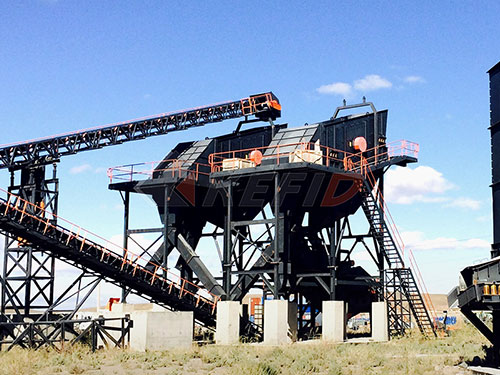

H1: HighEfficiency Impact Crushers for Aggregate, Mining, and Recycling Operations
1. PAINPOINT DRIVEN OPENING
Are escalating operational costs and unpredictable downtime eroding your plant's profitability? Key challenges in primary and secondary crushing stages often include:
High Wear Costs: Frequent replacement of wear parts in abrasive applications directly impacts your costperton metric.
Product Shape Limitations: Inconsistent cubicity and excessive fines can diminish the value of your final aggregate product or complicate downstream processing.
Unscheduled Downtime: Component failures or lengthy maintenance windows halt entire production lines, costing thousands per hour in lost output.
Energy Intensity: Inefficient crushing action translates to high power consumption, a fixed cost that reduces margin.
Rigid Application Fit: A crusher that struggles with varying feed materials or moisture content creates bottlenecks and limits operational flexibility.
What if your crushing circuit could deliver a more consistent product specification while reducing both operating expense and maintenance complexity? Advanced impact crushers are engineered to address these exact operational and financial pressures.
2. PRODUCT OVERVIEW
A modern impact crusher is a versatile reduction machine utilizing highspeed rotors and durable impactors to fracture material through kinetic energy. Its operational workflow is defined by a continuous process:
1. Feed Intake: Material is directed into the crushing chamber via a regulated feed system.
2. Acceleration & Impact: The highRPM rotor hurls feed material against stationary anvils or curtains, inducing fracture along natural cleavage lines.
3. Size Control & Recirculation: Product exits through an adjustable gap between the rotor and the adjustable impact aprons/grinding path; oversized material is recirculated for further reduction.
Application Scope: Ideal for processing limestone, recycled concrete, asphalt, demolition debris, and other low to mediumabrasiveness materials. Excels in producing a wellshaped, cubical product critical for concrete and asphalt specifications.
Key Limitations: Not typically suited as a primary crusher for very hard, competent igneous rock (e.g., granite, basalt) at large feed sizes where compressive crushers are more appropriate. Performance in highly abrasive applications requires diligent wear management.
3. CORE FEATURES
Hydraulic Adjustment System | Technical Basis: Integrated hydraulic cylinders controlling apron positioning | Operational Benefit: Allows operators to adjust product gradation or clear blockages in minutes without manual shim changes | ROI Impact: Reduces adjustment downtime by up to 80%, increasing plant availability
MultiFunction Rotor & Wear System | Technical Basis: Monobloc or welded rotor design with multiple highaccess wear part positions | Operational Benefit: Enables rotation of hammers/impellers for even wear utilization and extends service intervals | ROI Impact: Maximizes wear material usage, lowering costperton by 1525%
Hybrid Crushing Chamber Design | Technical Basis: Configurable apron/grinding path setup allowing impact or impact/attrition combined action | Operational Benefit: Provides flexibility to optimize for either shape production or fines generation based on market demand | ROI Impact: One machine supports multiple product specs, expanding commercial opportunities without capital reinvestment
Direct Drive Transmission | Technical Basis: Crusher rotor coupled directly to motor via fluid coupling or VSD | Operational Benefit: Eliminates efficiency losses from Vbelts; provides smooth startup and overload protection | ROI Impact: Improves energy transfer efficiency by approximately 5% compared to traditional belt drives
Advanced Safety & Service Design | Technical Basis: Large hydraulic service doors and mechanical locking cylinders | Operational Benefit: Provides safe, toolfree access to the crushing chamber for inspection and liner changes | ROI Impact: Enhances technician safety and cuts standard service time significantly
4. COMPETITIVE ADVANTAGES
| Performance Metric | Industry Standard Baseline | Advanced Impact Crusher Solution | Advantage (% Improvement) |
| : | : | : | : |
| Wear Cost per Ton (Abrasive Limestone) | $0.85 $1.10 / ton | $0.65 $0.75 / ton | ~2025% Reduction |
| Product Cubicity Ratio (Avg.) | 0.7 0.8 (Cubical) | 0.85 0.95 (Highly Cubical) | ~15% Improvement |
| Average Maintenance Downtime (Monthly) | 812 hours for adjustments/checks| 24 hours with hydraulic systems| ~70% Reduction |
| Power Consumption per Ton Output| Varies by material| Optimized chamber & direct drive reduce draw| Up to 5% Improvement |
| Application Flexibility (Feed Variance)| Often requires reconfiguration| Onthefly apron adjustment accommodates variance| Operational responsiveness increased |
5. TECHNICAL SPECIFICATIONS
Capacity Range: Modeldependent, from 150 TPH to over 800 TPH in secondary/recycling configurations.
Rotor Dimensions & Speed: Diameters from 1m to 1.5m; tip speeds typically between 3545 m/sec for optimal energy transfer.
Drive Power Requirements: Electric motor drives ranging from 250 kW to over 800 kW; compatible with Variable Speed Drives for precise control.
Material Specifications: Rotor constructed from hightensile steel; wear parts available in multiple alloys (e.g., martensitic steel, ceramic composites) for specific abrasion/cost profiles.
Physical Dimensions (Example): Approx. length: ~3.5m, width: ~2.8m, height: ~2.5m (varies significantly by model).
Environmental Operating Range: Designed for ambient temperatures from 20°C to +40°C; dustsealed bearings ensure reliable operation in highdust environments.
6. APPLICATION SCENARIOS
Aggregate Production Plant – Limestone Base Material
Challenge: A midsized quarry faced high fines generation in secondary crushing, devaluing their chip products and saturating screens.
Solution: Implementation of a horizontal shaft impact crusher configured with a grinding path for improved shape control.
Results: Achieved a consistent chip product with cubicity ratio exceeding 0.90, increasing product premium by approximately $1/ton while reducing recirculating load on screens by an estimated 30%.
C&D Recycling Facility
Challenge: Variable feed composition (concrete, brick, asphalt) caused frequent clogging and unpredictable gradation in the existing jaw/cone circuit.
Solution: A primary impact crusher with hydraulic apron adjustment and robust monobloc rotor replaced the primary jaw crusher.
Results: Throughput of mixed debris increased by an average of 22%; hydraulic clearing of uncrushables reduced related downtime events to near zero.
7 COMMERCIAL CONSIDERATIONS
Modern impact crushers represent a significant capital investment with longterm operational cost implications.
Pricing Tiers: Entrylevel stationary models start in the midsixfigure range; highcapacity tracked mobile impactors with advanced automation can reach into the millions.
Optional Features: Key upgrades include advanced automation systems (for liner wear monitoring), specialized wear packages (ceramic composites), dust suppression kits, and custom discharge conveyor configurations.
Service Packages: Comprehensive plans are available covering scheduled maintenance, parts discounts (wear kits), remote diagnostics access, and guaranteed emergency response times—critical for minimizing total lifecycle cost.
Financing Options: Manufacturers and dealers typically offer equipment leasing structures or flexible purchase plans tailored to cash flow management needs of independent contractors or multisite operators.
8 FAQ
Q1: Can an impact crusher handle moderately abrasive granite as a secondary unit?
Yes, but with specific considerations. While not ideal for highly abrasive feeds compared to a cone crusher, models equipped with hybrid chambers allowing partial autogenous grinding action can be effective when paired with appropriate tungsten carbide or composite wear parts.
Q2: What is the typical operational lifespan of major components?
Field data indicates rotor life between 30k60k hours depending on application severity; aprons/hammers may last from several hundred hours in severe recycling duty up to several thousand hours processing clean limestone.
Q3 How does installation compare between horizontal shaft impactors vs vertical shaft models?
Horizontal shaft designs generally have larger footprints but offer easier access for maintenance on stationary plants.Vertical shaft designs offer lower height but may require more planning around feed arrangements.Mobile tracked units largely negate these installation concerns.
Q4 Are there financing structures that include future wear parts costs?
Some vendors offer allinclusive "costperton" contracts which bundle financing of the capital equipment with guaranteed pricing on future wear parts.This model provides predictable longterm operating expenditure useful for project bidding purposes
. Q5 What training is provided postpurchase?
Reputable suppliers provide comprehensive onsite operator training covering safe operation basic troubleshooting daily inspection routines as well as detailed maintenance procedures documentation