
Import Cement Plant Equipment Maker
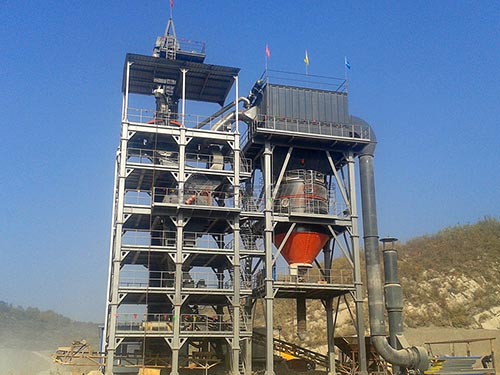

Targeting Plant Managers & Engineering Contractors: Addressing the Core Challenges of Clinker Cooling
Are you facing persistent bottlenecks at the kiln outlet that limit your plant’s true throughput? Does inconsistent clinker cooling lead to product quality variability, excessive dust generation, and wasted heat recovery? Every hour of unplanned downtime in your cooler line translates directly into lost production and revenue. The efficiency of your clinker cooler dictates downstream grinding performance, cement quality, and overall plant thermal efficiency. How do you select a cooler that delivers predictable performance, maximizes heat recuperation for the kiln, and withstands the extreme abrasive and thermal environment year after year? The solution lies not in incremental upgrades, but in a fundamentally robust engineering approach.
Product Overview: HighEfficiency Reciprocating Grate Cooler for Cement Clinker
The reciprocating grate cooler is a critical piece of cement plant equipment designed to rapidly quench and convey cement clinker from the rotary kiln discharge. Its primary functions are to reduce clinker temperature from approximately 1200°C+ to below 100°C for handling, improve clinker quality by inducing optimal mineralogy, and recover heated air for use as secondary or tertiary air in the combustion process.
Operational Workflow:
1. Clinker Inlet: Hot clinker is evenly distributed across the width of the cooler’s inlet via a feed frame.
2. Grate Conveyance & Air Quenching: Clinker is transported over stationary and moving grate plates while highpressure cooling air is forced upward through the bed.
3. Heat Recovery: Hot air extracted from the clinker bed is directed back to the rotary kiln and precalciner, improving combustion efficiency.
4. Final Cooling & Discharge: Clinker proceeds through subsequent cooling zones until it reaches a safe handling temperature at the discharge end.
5. Oversize Handling: Gratemounted crushers (roll crushers) reduce any oversized agglomerates for consistent material flow.
Application Scope: Designed for dryprocess cement plants with capacities from 2000 to over 10,000 TPD. Optimal for steadystate operation with consistent kiln output. Not typically applied in older wetprocess plants or for intermittent minikiln operations without significant design modification.
Core Features: Engineered for Durability and Maximum Heat Recovery
Advanced Grate Plate Design | Technical Basis: HighChrome, Alloy Castings with Internal Air Channels | Operational Benefit: Exceptional resistance to thermal distortion and abrasive wear, ensuring stable air distribution across the entire bed | ROI Impact: Reduces replacement part costs by up to 40% over standard designs and maintains cooling efficiency for longer campaign life.
Modular ResistanceBased Air Flow Control | Technical Basis: Independently controlled fan zones with damper regulation based on bed pressure and temperature sensors | Operational Benefit: Operators achieve precise airtoclinker ratios, eliminating “red rivers” and ensuring complete quenching | ROI Impact: Improves heat recovery efficiency by 58%, directly lowering specific fuel consumption in the kiln.
Hydraulic Drive System with Frequency Control | Technical Basis: Electrohydraulic drive units providing smooth reciprocating motion with variable speed control | Operational Benefit: Enables precise adjustment of clinker bed speed and thickness in response to kiln output fluctuations | ROI Impact: Minimizes mechanical stress on components, reducing drive system maintenance costs by an average of 30%.
Sealed Inlet & DustTight Casing | Technical Basis: Labyrinth seals and insulated casing panels maintain negative pressure | Operational Benefit: Dramatically reduces dust emission at transfer points, improving plant environmental compliance and workplace safety | ROI Impact: Lowers baghouse filter load and associated energy costs for dedusting fans.
Integrated Roll Crusher System | Technical Basis: Heavyduty crusher mounted within the cooler structure at a strategic collapse point | Operational Benefit: Continuously breaks large clinker lumps (clinker balls) without interrupting cooler operation | ROI Impact: Prevents stoppages due to blockages at the discharge, supporting sustained mill feed and >99% operational availability.

Competitive Advantages: Performance Comparison
| Performance Metric | Industry Standard Solution | Our HighEfficiency Grate Cooler Solution | Advantage (% Improvement) |
| : | : | : | : |
| Cooling Air Efficiency (Nm³/kgclinker) | 2.2 2.5 | 1.9 2.1 | ~15% Reduction |
| Exit Clinker Temperature (°C) | Ambient +65100°C| Ambient +3550°C| ~40% Lower |
| Thermal Efficiency (Heat Recuperated) (%)| ~7072%| >75%| >4 Percentage Points |
| Grate Plate Service Life (Months) under abrasive conditions| 1218 Months| 2430 Months| ~67% Increase |
| Specific Power Consumption (kWh/tclinker)| ~7 kWh/t| ~5.8 kWh/t| ~17% Reduction |
Data based on field performance reports from installations in comparable raw material conditions.
Technical Specifications
Capacity Range: Configurable from 2,000 to 12,000 tonnes per day (TPD).
Power Requirements: Drive system typically requires a connected load of 150400 kW depending on size; fan power varies based on specific air volume design.
Material Specifications: Grate plates cast from ZGCr26Ni7 highchrome alloy; side liners use abrasionresistant steel; housing constructed from carbon steel with internal refractory where required.
Physical Dimensions (Example for 5000 TPD): Overall length ~35m; width ~6m; height from foundation ~8m.
Environmental Operating Range: Designed for ambient temperatures from 20°C to +50°C; handles inlet clinker temperatures up to 1400°C.
Application Scenarios
Plant Capacity Upgrade Project
Challenge A midsized plant needed to increase kiln output by 20% but was constrained by an older cooler causing frequent stoppages and high maintenance costs.
Solution Installation of a customwidth reciprocating grate cooler with enhanced hydraulic drives and modular cooling zones.
Results Achieved sustained throughput increase of 22%. Cooler availability exceeded 99%, maintenance costs fell by 35%, and improved secondary air temperature contributed to a documented fuel savings of approximately $180k annually.
Environmental Compliance & Heat Recovery Focus
Challenge A plant facing stricter particulate emission limits also sought to lower its carbon footprint by improving thermal efficiency.
Solution Retrofitted a new highefficiency grate cooler section with advanced sealing technology and resistancebased airflow control systems.
Results Dust emissions at the cooler inlet were reduced by over half (>50%). The improved heat recuperation rate raised secondary air temperature by approximately °60°C leading directly into reduced alternative fuel consumption requirements.
Commercial Considerations
Equipment pricing is projectspecific based on capacity requirements but generally falls into three tiers:
1. Standard Series (Upgrades/Replacements): For direct replacement projects using proven standard modules.
2 Custom HighEfficiency Series (New Installations): Includes advanced airflow control systems premium alloy components
3 Retrofits & Modernization Packages For upgrading existing cooler performance which may include new grate modules drives or control systems
Optional features include advanced condition monitoring sensors integrated water spray systems for extreme conditioning alternative material specifications for highly corrosive raw materials
Service packages range from basic commissioning support up through comprehensive longterm service agreements including remote monitoring predictive maintenance planning guaranteed spare parts availability
Financing options are available including traditional leasing structures milestonebased project financing solutions tailored capital expenditure plans
FAQ
What are my retrofit options if my existing shell structure is still sound?
We can design modular upgrade kits including new grate assemblies hydraulic drive systems modern PLC controls These can be installed during scheduled shutdowns often reusing existing foundations sidewalls
How does this equipment impact my overall plant power balance?
While individual fan power may be optimized our coolers focus on reducing specific air volume This often leads lower overall power consumption downstream processes like grinding due better product quality recovered heat reduces primary fuel burn
What guarantees are provided on key wear parts like grate plates?
We provide performance warranties on grate plates based operating hours tonnage processed Specific terms are outlined commercial agreement backed metallurgical certifications
How long does typical installation take what is required from my team?
For full installation typical schedule ranges weeks depending size complexity We provide detailed method statement require client support craneage local labor foundation preparation Existing plant interface management critical path item
Do you offer training our operational maintenance staff?
Yes comprehensive training program included covers operation troubleshooting routine preventive maintenance procedures Training conducted onsite during commissioning supplemented detailed manuals digital resources