
Impact Crushers Manufacturing Samples


The Critical Role of Manufacturing Samples in Impact Crusher Development and Success
In the competitive world of aggregate processing, mining, and recycling, impact crushers stand as vital workhorses. Their ability to efficiently reduce hard, abrasive materials like granite, basalt, concrete, and asphalt makes them indispensable. However, designing and building an impact crusher that consistently delivers optimal performance, durability, and value is a complex engineering challenge. This is where manufacturing samples transition from a procedural step to a strategic cornerstone of success. Far beyond mere prototypes or sales demos, these meticulously crafted physical embodiments of design intent are the proving ground upon which reliability is forged and market confidence is built.
Beyond Prototypes: Defining Impact Crusher Manufacturing Samples
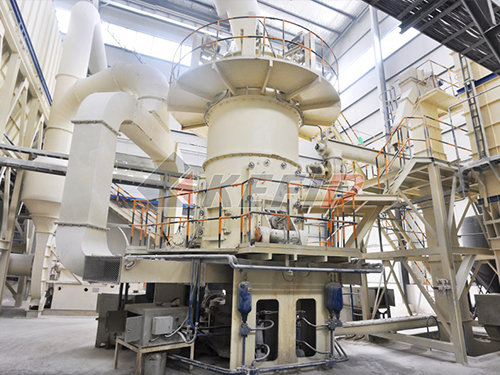
While prototypes are early iterations focused primarily on validating core concepts and functionality, manufacturing samples in the impact crusher context represent a significantly more advanced stage:
1. Pre-Production Validation Units: These are units built using production-intent processes (casting, machining, welding), tooling (fixtures), materials (specified wear steels), and assembly lines. They are not hand-built one-offs but precursors to full-scale manufacturing.
2. Customer Evaluation Units: Samples specifically manufactured for potential customers to test under their real-world conditions with their specific feed material. Performance data from these trials is crucial for closing sales and refining designs.
3. Wear Part & Component Testbeds: Dedicated samples or sections (e.g., a rotor assembly or complete crushing chamber) used exclusively for testing new wear material compositions (martensitic steel grades, ceramic inserts), liner designs (curvature, thickness profiles), or breaker plate configurations.
4. Certification & Compliance Demonstrators: Units built to undergo rigorous third-party testing for safety certifications (CE marking etc.), noise emission levels verification, or dust control compliance.
5. Process Optimization Models: Samples used on the factory floor to validate assembly sequences, tooling efficiency, quality control procedures (like non-destructive testing application points), and packaging/shipping logistics before full production ramp-up.
The Imperative: Why Manufacturing Samples Are Non-Negotiable
The substantial investment required to create true manufacturing samples is justified by their critical role in mitigating significant risks:
1. Performance Verification Under Load:
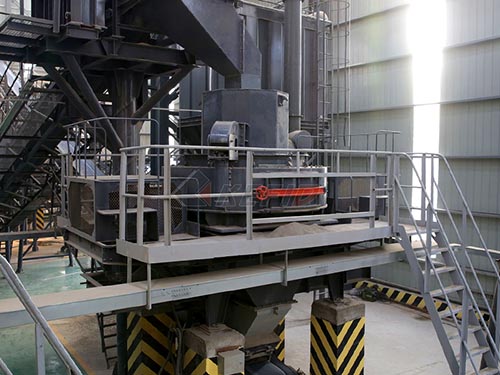
Crushing Efficiency & Product Shape: Does the sample achieve the predicted throughput (tons per hour)? Does it produce the desired product gradation curve? How does cubicity measure