
Hydrocone Crusher Cost
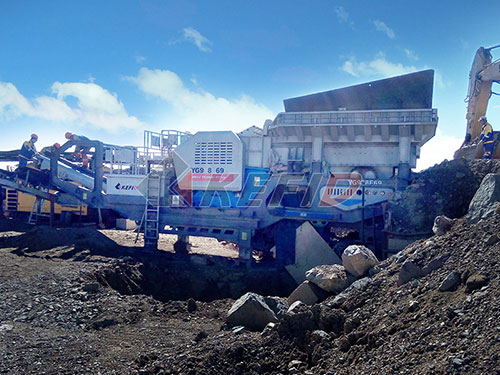

Demystifying Hydrocone Crusher Costs: A Comprehensive Investment Analysis for Aggregate Producers
The Hydrocone crusher, a cornerstone technology developed by (historically under the Allis-Chalmers and Svedala lineages), represents one of the most sophisticated and widely adopted cone crushing solutions in the global aggregates, mining, and construction industries. Renowned for its robust design, operational flexibility, and high reduction ratios, investing in a Hydrocone is a significant capital decision. Understanding the multifaceted nature of Hydrocone crusher cost is paramount for operators seeking optimal return on investment (ROI) and long-term operational efficiency. This analysis delves beyond the initial purchase price to explore the true total cost of ownership (TCO), empowering informed decision-making.
I. Beyond Sticker Shock: Defining "Cost" in the Hydrocone Context
When discussing "cost," it's crucial to move past the simplistic notion of just the invoice price. For a Hydrocone crusher – or any major piece of heavy machinery – cost encompasses several interconnected layers:
1. Capital Expenditure (CAPEX): The upfront purchase price of the crusher itself.
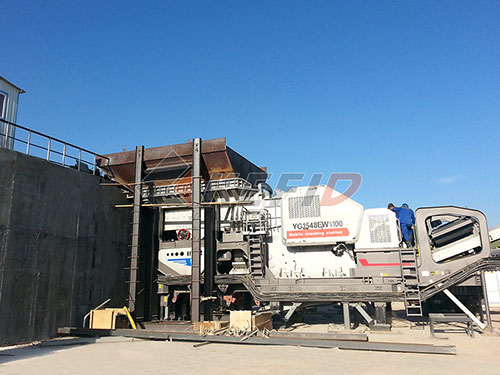
2. Installation & Commissioning Costs: Expenses related to foundation preparation, plant integration (structural steelwork, conveyors, chutes), electrical connections, hydraulic systems setup, dust suppression integration, initial commissioning labor, and potential site modifications.
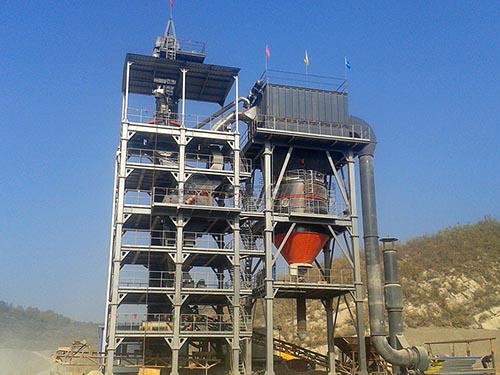
3. Operating Expenditure (OPEX): The ongoing costs incurred throughout the crusher's operational life:
Energy Consumption: A major OPEX component; influenced by motor size, efficiency settings (e.g., Closed Side Setting - CSS), feed material characteristics (hardness, abrasiveness), and throughput.
Wear Parts Replacement: Mantles, concaves/liners (bowls), distributor plates, eccentrics/bushings are consumables subject to wear based on material processed and operating hours/tons crushed.
Regular Maintenance: Labor costs for scheduled inspections (daily/weekly/monthly checks), lubrication services (greasing bearings), filter changes (oil/hydraulic/air).
Major Overhauls & Component Replacement: Periodic replacement or refurbishment of major components like head nuts/sockets, eccentric assemblies/bushings/housings/sleeves/bearings/gaskets/seals as they reach end-of-life due to fatigue or wear.
Lubricants & Consumables: Hydraulic oil/filters/gre