
Gold Ore Crushing Equipment Suppliers Factory Price
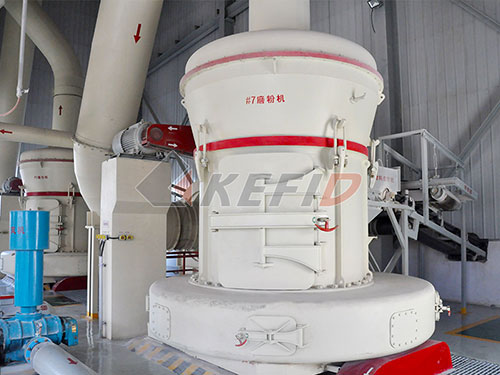

Targeted Gold Ore Crushing Solutions for HighVolume Processing Plants
Are your gold recovery margins being eroded by inefficient primary crushing? Operations managers and plant engineers consistently face three critical challenges: excessive downtime for liner changes and maintenance, unacceptably high energy consumption per ton of ore processed, and inconsistent feed size reduction causing bottlenecks in downstream milling circuits. These issues directly translate to lost production hours, elevated operational costs, and compromised recovery rates. How can you increase throughput while controlling maintenance overhead? What equipment delivers the necessary reduction ratio for optimal liberation without becoming a reliability liability? The solution requires a purposeengineered gold ore crushing equipment system designed for abrasive, highvalue ore bodies.
Product Overview: HeavyDuty Primary & Secondary Gold Ore Crushers
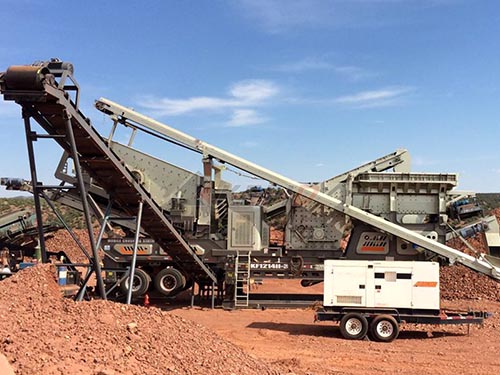
Our engineered gold ore crushing equipment portfolio focuses on robust primary jaw crushers and secondary cone crushers built specifically for the demands of gold processing. The operational workflow is streamlined: (1) ROM ore is fed into a deepchambered jaw crusher for initial size reduction, (2) crushed material is conveyed to a cone crusher with a finesetting hydraulic system for further reduction to millready feed, (3) and oversize material is efficiently recirculated. This equipment is designed for hardrock gold ores, including sulphidebearing deposits. It is less suited for unconsolidated placer material without significant prescreening.
Core Features: Engineered for Performance & Durability
Our crushers are defined by several critical features that address the specific demands of gold ore processing.
Manganese Steel Alloy Liners | Technical Basis: Workhardening austenitic steel composition | Operational Benefit: Liner life increases by 3050% in highly abrasive quartz/gold ore applications, reducing changeout frequency. | ROI Impact: Direct savings on liner inventory costs and labor, with increased plant availability.
Hydraulic Adjustment & Clearing | Technical Basis: Integrated hydraulic cylinders for CSS adjustment and uncrushable material release. | Operational Benefit: Operators can adjust product size or clear a stalled chamber in minutes from a remote location, enhancing safety and responsiveness. | ROI Impact: Minimizes downtime events from tramp steel or packing, protecting against costly circuit stoppages.
HighInertia Crushing Action | Technical Basis: Optimized flywheel mass and eccentric throw design. | Operational Benefit: Maintains consistent crushing momentum through variable feed conditions, ensuring stable throughput and predictable product gradation. | ROI Impact: Improves overall circuit stability, leading to more consistent mill feed and better recovery performance.
Centralized Greasing System | Technical Basis: Automated lubrication points routed to a single access panel. | Operational Benefit: Ensures critical bearings receive proper lubrication during operation, extending component life and preventing premature failure. | ROI Impact: Reduces manual maintenance risks and intervals, lowering longterm service costs.
Modular Wear Part Design | Technical Basis: Segmented liner plates and standardized wear items. | Operational Benefit: Enables partial replacement of worn sections instead of full assemblies, and simplifies onsite logistics. | ROI Impact: Cuts wear part costs by 1525% over the equipment lifecycle through optimized material use.
Competitive Advantages: Quantifiable Performance Metrics
The following table illustrates measurable improvements over standard industry offerings.
| Performance Metric | Industry Standard | Our Gold Ore Crushing Solution | Advantage (% Improvement) |
| : | : | : | : |
| Availability (Scheduled Runtime) | 9294% | 9698% | +4% (+~300 hrs/yr) |
| Avg. Energy Consumption (kWh/t) | Varies by ore; Baseline = 100% | Optimized chamber design reduces consumption to ~90% of baseline| Up to 10% Reduction |
| Liner ChangeOut Time (Primary Jaw) | 1624 hours (crewdependent) < 12 hours (standardized procedure)| Up to 50% Faster |
| Reduction Ratio (Primary + Secondary) < 8:1 typical 10:1 achievable| >25% Increase |
Technical Specifications
Capacity Range: 150 2,500 TPH (configured systems)
Primary Crusher Feed Opening: Up to 60” x 80” jaw crusher configurations
Power Requirements: From 150 kW to 450 kW per unit, dependent on model and duty.
Material Specifications: Mainframe constructed from highgrade steel plate; Shafts from forged alloy steel; Standard liners are ASMT A128 manganese steel; Optional premium alloys available.
Physical Dimensions: Plant designs are modular; primary station footprint typically from 8m x 5m upwards.
Environmental Operating Range: Designed for ambient temperatures from 20°C to +45°C. Dust suppression system compatibility is standard.
Application Scenarios
HardRock Sulfide Ore Processing
Challenge: A midtier producer faced escalating maintenance costs and weekly downtime due to rapid wear in their existing crusher when processing abrasive goldquartzpyrite ore.
Solution: Implementation of a primary jaw crusher with premium workhardening liners and a secondary cone crusher with automated hydraulic settings.
Results: Liner lifecycle extended from ~6 weeks to ~10 weeks. Combined with faster changeouts, crusherrelated downtime decreased by an estimated 180 hours annually, supporting a sustained throughput increase of 12%.
HighThroughput CIL Plant Expansion
Challenge: An expanding operation needed to guarantee reliable coarse ore reduction to below 12mm for their new milling line without creating a bottleneck.
Solution: Installation of a tandem crushing system featuring highinertia crushers with advanced chamber profiles.
Results: The system consistently achieved the target product size at a rated 1,800 TPH. Field data showed a 9% improvement in energy efficiency per ton crushed compared to the older plant section, contributing directly to lower operating costs.
Commercial Considerations
We offer structured commercial options tailored for capital project planning.
Equipment Pricing Tiers: Pricing scales with capacity and configuration complexity.
Tier I (Standalone Primary Crusher): For plant upgrades or satellite facilities.
Tier II (Primary + Secondary SkidMounted Module): Preassembled for faster commissioning.
Tier III (Complete Turnkey Crushing Circuit): Engineering, equipment, installation supervision.
Optional Features & Upgrades: Premium ceramic composite liners for extreme abrasion sites; Advanced condition monitoring sensors; Integrated metal detection systems.
Service Packages: Choose from annual inspection plans, guaranteed wear part supply agreements with costperton options, or comprehensive onsite technical support contracts.
Financing Options: We collaborate with industryfocused financial partners to offer leasetoown structures or term financing aligned with project payback periods.
Frequently Asked Questions
1. Is your equipment compatible with our existing conveying and screening infrastructure?
Yes. Our engineering team will review your current layout specifications during the quotation process—including feed heights discharge points—to ensure seamless integration into your existing flow sheet.
2. What is the typical lead time from order placement commissioning?
For standard models lead times range from months depending on configuration complexity Custom engineered solutions require additional time detailed project timelines are provided upon application review
3.
4