
Export Slag Crusher Plant Exporter
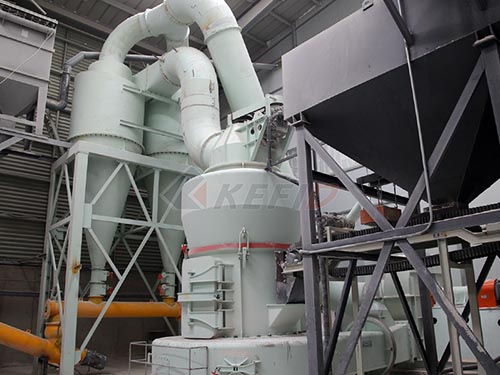

1. PAINPOINT DRIVEN OPENING
Managing slag stockpiles presents persistent operational and financial challenges. Are you contending with inefficient manual breaking methods that bottleneck your material flow? Does inconsistent feed size from primary crushing reduce your downstream screening and separation efficiency, leading to valuable metal loss? Are you facing excessive wear on crusher components from abrasive slag, driving up maintenance costs and unplanned downtime? The costs of slow processing, high consumable expenses, and metal recovery inefficiency directly impact your site’s profitability. How can you transform this byproduct into a consistent, highvalue aggregate stream while controlling operational expenditure? The solution requires a purposeengineered system designed for the specific demands of slag reduction.
2. PRODUCT OVERVIEW
A Slag Crusher Plant is a stationary or semimobile processing system engineered specifically for the size reduction of aircooled blast furnace (BF) slag or steel slag. Its core function is to crush large slag lumps into precisely graded aggregates for use in construction, road building, or as a feedstock for further metal recovery processes.
Operational Workflow:
1. Feed & PreScreening: Slag is loaded via excavator or loader into a robust feed hopper, often with a grizzly section to bypass fine material.
2. Primary Crushing: A heavyduty jaw crusher or impact breaker reduces large lumps (often up to 1m+) to a manageable size.
3. Transfer & Secondary Crushing: Material is conveyed to a secondary crusher (typically a cone crusher or impact crusher) for further refinement to the target product size.
4. Sizing & Separation: Crushed material passes through vibrating screens to separate it into specified fractions (e.g., 05mm, 510mm, 1020mm). Magnetic separators are often integrated at this stage to extract remaining ferrous metal.
5. Stockpiling: Graded aggregates are conveyed to designated stockpiles for dispatch.
Application Scope: Ideal for integrated steel plants, standalone slag processing yards, and aggregate producers specializing in industrial byproducts.
Limitations: Not designed for molten slag; feed material must be aircooled and solid. Performance is contingent on proper feed size control and the specific abrasiveness and composition of the source slag.
3. CORE FEATURES
HeavyDuty Crusher Configuration | Technical Basis: Manganese steel jaws/liners with optimized crushing chamber geometry | Operational Benefit: Sustained high throughput of highly abrasive material with reduced risk of premature failure | ROI Impact: Lower costperton crushed via extended wear life and reduced frequency of liner changes.
Integrated Metal Recovery System | Technical Basis: Overband magnetic separators positioned at key discharge points | Operational Benefit: Continuous, automated extraction of residual ferrous metal from the aggregate stream | ROI Impact: Creates an additional revenue stream from recovered scrap metal while protecting downstream equipment from tramp metal damage.
Vibration Dampening Base Frame | Technical Basis: Reinforced steel frame with antivibration mounts for major components | Operational Benefit: Minimizes structural stress and transmitted vibration, ensuring stable operation and reducing foundation requirements | ROI Impact: Lowers installation complexity and cost, enhances longterm structural integrity of the plant.
Centralized Greasing & Monitoring Points | Technical Basis: Manifolded lubrication lines for all major bearing points | Operational Benefit: Enables safe, efficient routine maintenance without requiring access to multiple isolated points during operation | ROI Impact: Reduces lubrication time by up to 50%, promotes bearing health, and decreases unscheduled downtime.
Adjustable Discharge Setting System | Technical Basis: Hydraulic or mechanical adjustment on secondary/tertiary crushers | Operational Benefit: Allows operators to quickly change final product sizing to meet different market specifications | ROI Impact: Enables rapid response to changing customer demands, maximizing plant utilization and sales opportunities.
4. COMPETITIVE ADVANTAGES
| Performance Metric | Industry Standard Slag Processing | Our Slag Crusher Plant Solution | Advantage (% Improvement) |
| : | : | : | : |
| Tonnage Throughput (Abrasive Material)| Variable, often declines with liner wear| Consistent output maintained via optimized wear part design & flow| Up to 1520% more consistent yield over liner life |
| Metal Recovery Efficiency| Singlestage magnetic separation, often manual cleaning| Multistage magnetic separation at optimal transfer points| Ferrous recovery rates improved by 2530% |
| Maintenance Downtime (Scheduled)| Dispersed lube points; manual setting adjustment| Centralized systems & hydraulic adjustment features| Routine service time reduced by approximately 40% |
| Product Shape Consistency| Basic crushing circuits can produce flaky aggregates| Chamber optimization & crushing stage matching produces more cubical product| Improved cubicity index enhances aggregate value for premium applications |
5. TECHNICAL SPECIFICATIONS
Capacity Range: Configurable from 50 TPH to over 300 TPH, depending on feed size and required product grading.
Power Requirements: Total installed power typically ranges from 150 kW to 600 kW, supplied by mains connection or onboard diesel generator set for semimobile units.
Material Specifications: Primary wear components (liners, impeller bars) manufactured from highchrome martensitic steel or premium manganese steel. Structural frames use heavyduty rolled steel sections.
Physical Dimensions (Typical Setup): Footprint varies by capacity; a 150 TPH plant may require approximately 25m (L) x 18m (W) x 12m (H).
Environmental Operating Range: Designed for ambient temperatures from 20°C to +45°C. Dust suppression systems are standard to maintain environmental compliance.
6. APPLICATION SCENARIOS
Integrated Steel Plant Slag Yard | Challenge: Inefficient primary breaking causing backlog; low recovery of valuable metallics from old slag dumps leading to lost revenue. | Solution: Deployment of a turnkey Slag Crusher Plant with highcapacity jaw crusher for primary reduction and two stages of magnetic separation. | Results: Processing rate increased to 180 TPH; recovered an average of 8 tons of ferrous metal per operating day; cleared legacy stockpile within projected timeline.
Commercial Aggregate Producer Specializing in Industrial Byproducts | Challenge: Existing plant struggled with extreme abrasiveness of steel slag, resulting in unsustainably high wear part costs and poor product shape limiting marketability.| Solution: Installation of a purposebuilt Slag Crusher Plant featuring specialized abrasionresistant liners and a cone crusher secondary stage for improved particle shape.| Results: Wear part lifecycle extended by over 60%; produced highquality cubical aggregate meeting road base specifications; opened access to highervalue construction contracts.
7. COMMERCIAL CONSIDERATIONS
Our Slag Crusher Plants are offered in three primary tiers:
Standard Configuration: A robust base plant covering primary crushing, basic screening/conveying, and singlestage magnetic separation.
Enhanced Recovery Configuration: Adds secondary crushing for finer grading optimization and multistage magnetic separation drums/scanners.
Fully Modular/Mobile Configuration: Skidmounted or trailerbased units offering shorter installation times and relocation flexibility.
Optional features include automated dust suppression systems, advanced vibration monitoring sensors, onboard power generation packages, and custom conveyor lengths.
We provide comprehensive service packages ranging from annual inspection plans to fullturnkey operation & maintenance contracts. Financing options including leasing structures are available through our partners to facilitate capital expenditure planning.
8. FAQ
1. Is your Slag Crusher Plant compatible with our existing conveyors and screening equipment?
Yes; our engineering team designs the transfer heights and discharge points based on your site layout survey data provided during quotation.
2. What is the expected operational impact on our power consumption?
Field data shows that an optimized plant design uses energy more efficiently per ton processed than piecemeal systems due to reduced recirculation loads.
3. How does pricing typically scale with capacity?
Pricing follows an economyofscale curve but is also influenced by specific requirements like level of metallurgical recovery needed or environmental enclosures.
4. What are the standard commercial terms offered?
We typically offer FOB pricing exworks alongside CIF quotations for international buyers; payment terms are structured around project milestones such as FAT (Factory Acceptance Test).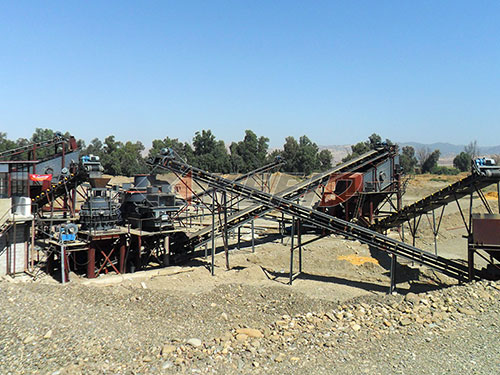
5.