
Crusher For Rock
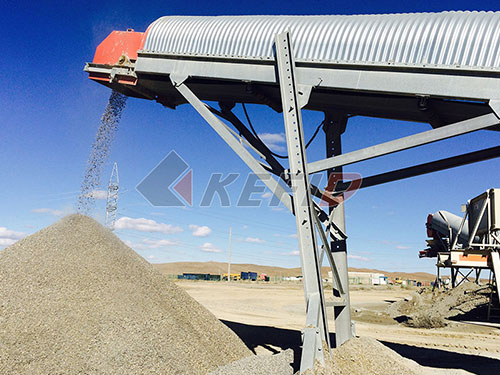

The Mighty Crusher: Unlocking the Power Within Rock
Rocks. They form the very foundation of our planet, majestic mountains, sprawling plains, and the hidden depths beneath our feet. Yet, for humanity to build, progress, and thrive, these formidable masses often need to be transformed. This is where the unsung hero of countless industries steps onto the stage: The Rock Crusher. Far more than just brute force machines, modern rock crushers are sophisticated pieces of engineering designed to efficiently reduce massive boulders into precisely sized aggregates essential for our modern world.
Understanding the Need: Why Crush Rock?
The raw power locked within rock formations is immense, but it's rarely useful in its natural state for most applications. Crushing serves several critical purposes:
1. Size Reduction: Transforming large, unmanageable rocks (run-of-mine ore from mines or blasted rock from quarries) into smaller fragments suitable for further processing or direct use.
2. Liberation: In mining operations, crushing breaks down ore-bearing rock to liberate valuable minerals from worthless gangue material, making separation possible.
3. Aggregate Production: Creating specific sizes and shapes of crushed stone (aggregate) – the fundamental building block for concrete (sand and gravel), asphalt pavement (base course and surface course), road bases, railroad ballast, drainage layers (riprap), landscaping materials, and more.
4. Recycling: Crushing demolished concrete and asphalt pavement allows these materials to be reused as aggregate in new construction projects (Recycled Concrete Aggregate - RCA / Recycled Asphalt Pavement - RAP), conserving natural resources and landfill space.
5. Preparation for Further Processing: Crushing is often just the first step before grinding (for finer powders in cement or mineral processing) or chemical processing.
Without efficient rock crushing technology, modern infrastructure – roads, bridges, buildings – would be prohibitively expensive or impossible to construct on a large scale.
The Core Principle: Breaking Rocks Efficiently
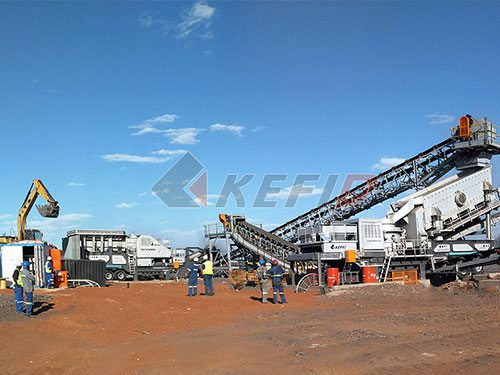
At its heart, rock crushing relies on applying force sufficient to overcome the compressive strength of the material. Different types of crushers achieve this through distinct mechanisms:
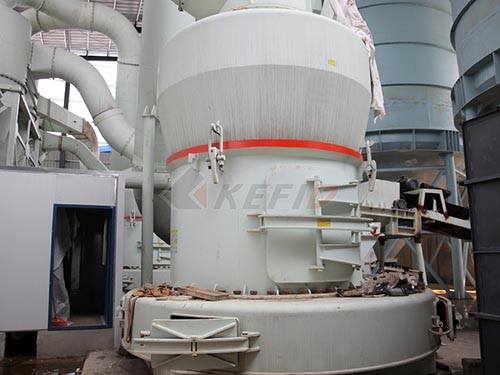
1. Compression: Applying pressure between two surfaces until the rock fractures along its natural cleavage planes (e.g., Jaw Crushers).
2. Impact: Subjecting rocks to sudden blows delivered by hammers or blow bars traveling at high speed (e.g., Horizontal Shaft Impactors - HSI).
3.