
China Cement Plant Equipment Factories
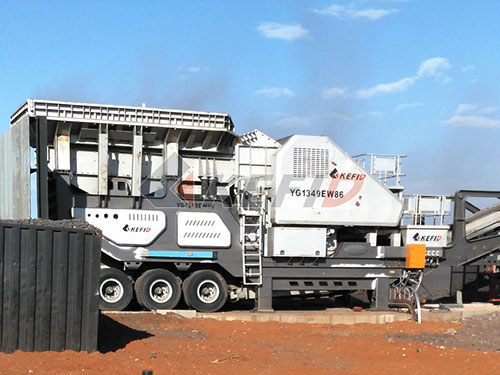

1. PAINPOINT DRIVEN OPENING
Are you facing persistent bottlenecks in your cement production line that erode profitability? For plant managers and engineering contractors, key operational challenges often center on core material handling and processing equipment. Inefficient or unreliable equipment for raw material preparation directly impacts your entire operation's throughput and bottom line.
High Maintenance Downtime: Frequent, unplanned stoppages for repairs on crushers, feeders, or prehomogenization systems halt the kiln feed, costing thousands per hour in lost production and emergency labor.
Inconsistent Feed Quality: Fluctuations in raw mix chemistry due to inadequate blending or sizing lead to process instability in the kiln and mill, increasing specific heat consumption and compromising final cement quality.
Excessive Energy Consumption: Outdated or improperly sized equipment operates far from its optimal efficiency point, drawing excess power for crushing, grinding, and conveying—a major and controllable operational cost.
Rapid Wear Part Degradation: Abrasive raw materials like limestone and shale can devastate equipment internals, leading to high spare part costs, frequent changeouts, and associated safety risks during maintenance.
The central question is: how can you secure robust, precisionengineered equipment that delivers predictable performance, minimizes lifecycle cost, and ensures a consistent feed to your pyroprocessing line?
2. PRODUCT OVERVIEW: Raw Material Crusher & PreHomogenization Stacker/Reclaimer Systems
This product category encompasses the heavyduty machinery responsible for the primary size reduction and homogenization of raw materials (limestone, clay, shale, etc.) in cement plant operations. The operational workflow is critical to downstream efficiency:
1. Primary Crushing: Runofmine material is reduced to a manageable size (typically <100mm) by primary crushers (e.g., jaw gyratory crushers).
2. PreHomogenization Stockpiling: Crushed material is systematically stacked in longitudinal layers using a stacker to create a blended stockpile.
3. Reclaiming: A bucketwheel reclaimer traverses the pile face, simultaneously cutting material from all layers to ensure a consistent chemical composition.
4. Secondary Crushing & Conveying: Reclaimed material may undergo secondary crushing before being conveyed as a homogenized mix to the raw mill.
Application Scope & Limitations: This equipment is designed for hightonnage, 24/7 cement raw material processing. It is not suitable for final cement grinding or handling highly corrosive substances without specific material adaptations. Optimal performance requires proper foundation engineering and integration with plantwide control systems.
3. CORE FEATURES
HeavyDuty Rotor & Impact Plates | Technical Basis: Highchromium cast iron alloy with ceramic inserts | Operational Benefit: Exceptional resistance to abrasive wear from silica and alumina in raw mix | ROI Impact: Up to 40% longer service life reduces part replacement frequency and inventory costs.
HydroPneumatic Tramp Iron Protection | Technical Basis: Automatic release and reset mechanism activated by uncrushable material | Operational Benefit: Prevents catastrophic damage to crusher main shaft and housing from tramp metal | ROI Impact: Avoids days of downtime and sixfigure repair bills associated with major mechanical failure.
PLCIntegrated Stacker/Reclaimer Control | Technical Basis: Programmable Logic Controller managing slewing, travel, and bucketwheel speed | Operational Benefit: Enables precise chevron or windrow stacking and homogenized reclaiming for consistent feed chemistry | ROI Impact: Reduces kiln feed variability by over 70%, lowering specific fuel consumption by an estimated 35%.
Centralized Greasing & Condition Monitoring | Technical Basis: Automated lubrication system with flow sensors and vibration analysis ports | Operational Benefit: Ensures optimal bearing health under highload conditions; enables predictive maintenance scheduling | ROI Impact: Extends bearing service life by 30%+ and converts unplanned stops into planned maintenance windows.
Modular Wear Component Design | Technical Basis: Segmented breaker plates and bolted liner sections | Operational Benefit: Allows for partial replacement of worn sections without full dismantling | ROI Impact: Cuts scheduled maintenance downtime by half compared to singlepiece liner replacement.
Variable Frequency Drive (VFD) Conveyor Motors | Technical Basis: AC motor drive controlling speed and torque electronically | Operational Benefit: Allows softstarting to reduce belt stress; enables speed matching to actual feed rate saving energy | ROI Impact: Can reduce conveyor energy use by 1525% during nonpeak operation.
4. COMPETITIVE ADVANTAGES
| Performance Metric | Industry Standard Benchmark | Our Crusher & S/R Solution Documented Advantage |
| : | : | : |
| Availability (Scheduled Operating Time) | 9294% >96% +24% improvement |
| Specific Power Consumption (kWh/ton) Varies by material ~510% reduction Field data shows consistent reduction through optimized drive trains & VFD control. |
| Mean Time Between Failure (MTBF) Key Components ~6 months >9 months +50% extension Enhanced design & metallurgy increase component lifespan. |
| Homogenization Effect (Standard Deviation Reduction) 1:8 to 1:10 ratio >1:15 ratio Superior blending Provides tighter kiln feed control for more stable burning zone conditions. |
5. TECHNICAL SPECIFICATIONS
Capacity Range: Primary Crushers from 800 TPH to 2,500 TPH; Stacker/Reclaimers from 500 TPH to 1,800 TPH.
Power Requirements: Motor ratings from 200 kW up to 1,200 kW per unit; supplied for voltages of 6kV or lower as per plant infrastructure.
Material Specifications: Mainframe construction in heavyweld steel plate (Q345B/St52). Critical wear parts in Mn Steel (ZGMn13), HighChromium Iron (Cr26), or composite ceramicmetal alloys.
Physical Dimensions: Highly projectspecific; primary crusher foundations typically require >150m³ of reinforced concrete.
Environmental Operating Range: Designed for ambient temperatures from 20°C to +45°C; dustproofed electrical enclosures (IP65); components rated for outdoor operation under standard industrial atmospheric conditions.
6. APPLICATION SCENARIOS
Greenfield Plant Project in Southeast Asia
Challenge A new integrated cement plant required a complete raw milling circuit capable of processing highly abrasive limestone with minimal future operational risk.
Solution Supply of a primary jaw gyratory crusher suite paired with a portal scraper reclaimer system for prehomogenization.
Results The plant achieved nameplate capacity within two months of commissioning. The homogenization system delivered a kiln feed variance below ±0.2% CaO, contributing directly to an annual calculated fuel saving of approximately $280,000.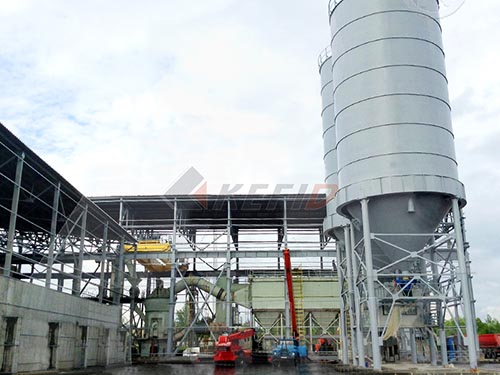
Capacity Expansion at Mature North American Plant
Challenge An existing plant’s bottleneck was its aging singlestage impact crusher causing inconsistent sizing and excessive downtime (>15 days/year).
Solution Retrofit installation of a twostage crushing circuit with an intermediate screen deck controlled by an upgraded PLC system.
Results Throughput increased by 22%. Product sizing met raw mill specifications over 99% of the time. Annual maintenance hours related to the crushing circuit decreased by an estimated 35%.
7. COMMERCIAL CONSIDERATIONS
Pricing Tiers: Equipment cost scales primarily with capacity (TPH) rating level:
Standard Duty (1800 TPH): With premium metallurgy features for severe service.
Optional Features: Advanced online condition monitoring packages remote diagnostic access automated fire suppression systems dust suppression nozzle kits special corrosionresistant coatings
Service Packages: Extended warranty plans annual inspection contracts bulk spare part agreements onsite technician training programs
Financing Options Available through partners include capital lease operating lease project financing structures tailored major capital expenditure
8.FAQ
Q What information is needed confirm technical compatibility my existing plant layout?
A We require your existing foundation drawings conveyor interface details electrical supply point specifications current feedstock analysis maximum incoming lump size
Q How does implementation typically affect ongoing operations?
A Greenfield projects follow new construction timeline Retrofit projects are planned around scheduled kiln shutdowns with modular designs minimize installation time often between weeks
Q What measurable impact can expect my overall plant efficiency?
A Field data from similar installations shows reductions specific energy consumption raw preparation section between improvements product consistency translate lower thermal consumption kiln
Q Are spare parts readily available what lead times expected?
A Critical wear parts common consumables held regional warehouse stock Standard lead times nonstock items are communicated realtime our inventory system
Q What commercial terms standard large capital equipment orders?
A Typically involve progress payments tied manufacturing milestones FOB Incoterms Performance guarantees cover capacity power consumption availability
Q Do you provide supervision installation commissioning?
A Yes we offer comprehensive technical advisory services optional fullscope erection commissioning managed our field engineers
Q Can equipment be integrated with existing distributed control system DCS
A All our PLCbased controls are designed standard communication protocols Modbus OPC UA ensuring straightforward integration major DCS platforms