
Cement Plant Equipment Supplier Procurement


Targeting Plant Managers, Procurement Directors, and Engineering Contractors: A Technical & Commercial Evaluation of Advanced Clinker Coolers
1. PAINPOINT DRIVEN OPENING
Managing clinker cooling is a critical bottleneck with direct consequences for plant profitability and operational stability. Inefficient cooling directly impacts your bottom line through:
Excessive Heat Recovery Loss: Poor cooler efficiency wastes thermal energy, reducing secondary air temperature for the kiln and increasing specific heat consumption by 3050 kcal/kgclinker or more.
High Maintenance Costs & Downtime: Traditional grate designs with high failure rates of grates, seals, and drive components lead to unplanned shutdowns. Industry data indicates that unreliable coolers can cause over 120 hours of annual production loss.
Inconsistent Clinker Quality: Nonuniform quenching results in variable clinker reactivity, impacting final cement strength and potentially increasing grinding energy requirements.
Elevated Operational Costs: Highpressure fan power consumption can constitute up to 15% of a plant's electrical load in the pyroprocess. Inefficient air distribution forces fans to work harder.
Are you evaluating how to increase thermal efficiency, reduce maintenance intervals, and achieve more predictable clinker quality? The solution lies in the engineering of your clinker cooler.
2. PRODUCT OVERVIEW
A modern clinker cooler is a reciprocating grate system designed for efficient heat recovery and quenching of cement clinker exiting the rotary kiln. Its operational workflow is engineered for stability:
1. Controlled Distribution: Hot clinker (approx. 1400°C) is evenly distributed across the full width of the cooler grate.
2. Stratified Cooling: Reciprocating grates transport material while undergrate fans supply controlled air volumes in distinct zones for optimized quenching.
3. Efficient Heat Exchange: Cooling air passes through the moving clinker bed, achieving high heat transfer efficiency before being directed to the kiln as secondary air or to a raw mill as tertiary air.
4. Size Reduction & Discharge: Cooled clinker passes through a breaker before discharge at temperatures typically below 100°C + ambient for conveying.
Application scope includes all dryprocess cement kilns. Primary limitations involve initial capital investment and requirement for consistent feed from the kiln to maintain optimal bed depth.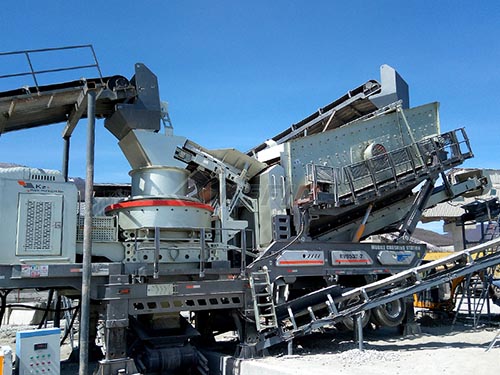
3. CORE FEATURES
Modular Grate Plate System | Technical Basis: Highresistance cast alloy with integrated sealing | Operational Benefit: Individual plate replacement without dismantling entire rows, reducing maintenance downtime by up to 60% | ROI Impact: Lowers spare parts inventory cost and cuts labor hours for grate overhaul
Adaptive Hydraulic Drive | Technical Basis: Proportional valve control with pressure feedback | Operational Benefit: Infinitely variable stroke speed and length to match kiln output fluctuations precisely | ROI Impact: Maintains constant, optimal bed depth improving heat recovery consistency by an estimated 35%
Zoned Air Flow Management | Technical Basis: Independently controlled undergrate compartments with highefficiency fans | Operational Benefit: Allows precise airtoclinker ratio per cooling stage, ensuring complete quenching | ROI Impact: Reduces specific fan power consumption by up to 20% versus older systems
Advanced Redundant Sealing | Technical Basis: Labyrinth seal design with wearresistant overlays | Operational Benefit: Minimizes false air ingress into the kiln hood and reduces dust emission from cooler ends | ROI Impact: Improves kiln combustion efficiency and ensures environmental compliance
Condition Monitoring Integration | Technical Basis: Embedded thermal sensors and vibration points on drive units & bearings | Operational Benefit: Enables predictive maintenance scheduling based on actual wear data rather than fixed intervals | ROI Impact Prevents catastrophic failure, extending major service cycles by thousands of operating hours
4. COMPETITIVE ADVANTAGES
| Performance Metric | Industry Standard (Older Grate Coolers) | Our Clinker Cooler Solution | Advantage (% improvement) |
| : | : | : | : |
| Thermal Efficiency (Heat Recovery) | ~7072% | >75% documented field performance| +45% points |
| Specific Fan Power Consumption (kWh/tclinker) | ~6.5 7.5 kWh/tclinker| 16,000 hours typical| +33% minimum |
| Clinker Outlet Temperature (vs. Ambient) | ~100°C + ambient| <65°C + ambient consistently achievable| Significant quality & handling benefit |
| Availability (Annual Uptime) | 98.5% demonstrated across fleet| Reduced production loss |
5. TECHNICAL SPECIFICATIONS
Capacity Range: Configurable from 2,500 to over 12,000 tonnes per day (TPD).
Power Requirements: Total connected fan motor power tailored to capacity; e.g., a 6,000 TPD unit approx. 18002200 kW.
Material Specifications: Grate plates: HiCr alloy castings (2832% Cr). Housing: Carbon steel plate with internal abrasionresistant liners.
Physical Dimensions: Varies by capacity; a standard module width is often 2.0m or 2.5m; length determined by required cooling time (~2530m typical).
Environmental Operating Range: Designed for ambient temperatures from 20°C to +50°C; dusttight construction for IP54 protection standard.
6. APPLICATION SCENARIOS
Plant Capacity Upgrade Challenge
Challenge A midcapacity plant needed higher throughput but was constrained by an existing cooler causing bottlenecks and high maintenance costs during extended runs.
Solution Installation of a highefficiency modular clinker cooler designed for a 25% higher peak capacity than their current kiln output.
Results Achieved sustained throughput increase of 18%. Specific heat consumption reduced by 35 kcal/kgclinker due to improved secondary air temperature.
Transitioning to Alternative Fuels
Challenge A plant increasing its use of alternative fuels experienced greater variability in clinkering conditions and required more robust cooling process control.
Solution Retrofitted an advanced control system onto their existing cooler structure featuring adaptive hydraulic drives and zoned airflow controls specifically tuned for variable feed conditions.
Results Stabilized outlet clinker temperature variance by over 70%, protecting downstream equipment and ensuring consistent cement quality despite varying fuel mixes.
7 COMMERCIAL CONSIDERATIONS
Equipment pricing is structured around capacity (TPD), drive technology choice (hydraulic vs mechanical), and material specifications tailored to fuel type.
Pricing Tiers:
Standard Efficiency Package For plants prioritizing Capex control with proven reliability improvements over legacy equipment
HighEfficiency Performance Package Includes full adaptive drive controls advanced sealing systems delivering maximum ROI through energy savings
Retrofit & Modernization Kits For upgrading existing cooler performance focusing on grates drives or control systems
Optional features include integrated condition monitoring platforms special alloys for highly abrasive conditions or alternative fuels hot gas analyzers
Service packages range from basic commissioning support up through comprehensive longterm service agreements LTSA including performance guarantees on availability thermal efficiency
Financing options are available including traditional purchase leasetoown structures or performancebased contracting where repayments are linked to verified energy savings
8 FAQ
What level of modification is required during installation? The modular design allows installation within most existing cooler foundations often requiring minimal structural changes Detailed preproject engineering confirms this
How does this equipment handle variations in clinkering conditions? The adaptive hydraulic drive automatically adjusts stroke speed based on load sensors maintaining constant optimal bed depth even with fluctuating feed from the kiln
What are realistic payback periods? Field data shows payback periods between two four years based primarily on reduced electrical consumption lower maintenance costs increased production availability
Are performance guarantees offered? Yes guaranteed metrics typically include specific fan power consumption thermal efficiency recovery availability rates These are contractually defined preinstallation
What technical support is available postinstallation? Support includes remote monitoring assistance comprehensive operator training programs scheduled preventive maintenance planning access OEM spare parts network