
Cement Plant Equipment Producers Best Price

Targeting Plant Managers, Procurement Directors, and Engineering Contractors: A Technical & Commercial Analysis of Modern Cement Plant Equipment
1. Addressing Critical Operational Challenges in Cement Production
Managing a cement plant requires balancing relentless output demands with stringent cost control and operational reliability. Specific pain points related to cement plant equipment directly impact your bottom line:
Unplanned Downtime: A single critical failure in a kiln drive, crusher, or mill can halt production, costing upwards of $10,000 per hour in lost revenue and incurring steep emergency repair charges.
Energy Inefficiency: Rotary kilns and grinding mills are massive energy consumers. Suboptimal thermal efficiency or excessive power draw per ton of clinker can inflate operational expenses by 1525%.
High Maintenance Burden: Equipment with poor accessibility, nonstandard parts, or inadequate dust sealing leads to longer, more frequent maintenance shutdowns, straining both labor budgets and production schedules.
Inconsistent Product Quality: Variations in raw material feed consistency, grinding fineness, or kiln temperature control result in offspec clinker or cement, leading to product rejection and reputational damage.
Regulatory & Environmental Pressure: Failing to meet emissions standards for NOx, SO2, and particulate matter risks fines and operational permits.
The central question for procurement teams is: How do you select cement plant equipment that demonstrably reduces total cost of ownership while maximizing availability and process stability?
2. Product Overview: Engineered for Total Process Integration
This category encompasses the core machinery for pyroprocessing and comminution in a cement plant. The operational workflow is designed for continuous, efficient material transformation:
1. Raw Material Preparation: Limestone and additives are precisely proportioned, crushed, and ground into raw meal.
2. Pyroprocessing (The Heart of the Plant): The raw meal is heated in a multistage preheater tower before entering the rotary kiln for clinker formation at ~1450°C.
3. Clinker Cooling: Hot clinker exits the kiln and is rapidly cooled in a grate cooler to preserve quality and recover heat.
4. Finish Grinding: The cooled clinker is ground with gypsum (and other additives) in a ball mill or vertical roller mill to produce the final cement product.
5. Material Handling & Dispatch: Cement is transported via enclosed conveyors or airslides to silos for storage and bulk loading.
Application Scope: This equipment is engineered for largescale integrated cement plants (1,000+ TPD capacity) as well as grinding station applications. Key limitations relate to feed material hardness (Bond Work Index), moisture content, and specific site logistical constraints.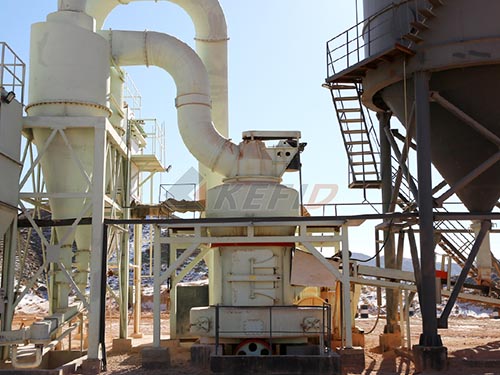
3. Core Features: Engineering Principles Driving Operational ROI
Our cement plant equipment is designed with a focus on measurable performance gains.
Advanced Kiln Shell Design | Technical Basis: Finite Element Analysis (FEA) optimized stiffnesstoweight ratio | Operational Benefit: Minimizes ovality under load for extended refractory lining life and reduced shell fatigue | ROI Impact: Field data shows a 2030% increase in refractory campaign life, directly lowering material and labor costs per operating year.
Integrated Grate Cooler Technology | Technical Basis: Controlled air distribution through resistancegraded plates & highpressure fans | Operational Benefit: Achieves optimal clinker quenching (72% efficiency) | ROI Impact: Improves kiln combustion efficiency, reducing specific heat consumption by 3050 kcal/kg clinker.
HighEfficiency Separator for Grinding Circuits | Technical Basis: Adjustable rotor cage design creating precise airflow patterns for sharp particle cut | Operational Benefit: Delivers consistent product fineness (Blaine) with reduced overgrinding in closedcircuit mills | ROI Impact: Lowers specific power consumption of the mill circuit by 510%, a significant saving given mill motor sizes.
Centralized Gear Drive System | Technical Basis: Single pinion drive with torque splitting gearing for hightorque applications like rotary kilns | Operational Benefit: Provides smooth rotation under variable load conditions with >98% mechanical efficiency | ROI Impact: Reduces power transmission losses versus traditional dualpinion drives and simplifies alignment procedures during maintenance.
Predictive Maintenance Sensor Integration | Technical Basis: Embedded vibration, temperature, and pressure sensors with industrial IoT gateways | Operational Benefit: Enables realtime monitoring of bearing health, gear mesh condition, and thermal stresses | ROI Impact Facilitates conditionbased maintenance planning; industry case studies correlate this approach with a 15% reduction in unplanned downtime events.
4. Competitive Advantages: Performance Benchmarks
The following table quantifies typical improvements offered by our engineered solutions against common industry benchmarks.
| Performance Metric | Industry Standard Baseline | Our Cement Plant Equipment Solution | Documented Advantage |
| : | : | : | : |
| Kiln Specific Heat Consumption | 720 750 kcal/kg clinker | 72%| ~6% Relative Increase |
| Planned Maintenance Interval (Kiln Drive)| 12 Months| Up to 18 Months| Extended by up to50%|
| Availability (Pyroprocessing Line)| ~9092% Annually| >94% Annually| Improved Overall Uptime|
5. Technical Specifications
Specifications vary by plant capacity; below are representative ranges for key components.
Capacity/Rating: Rotary Kilns from 1,000 to over10 ,000 TPD; Vertical Roller Mills from50to over400 t/h raw meal/cement grinding.
Power Requirements: Main drive motors from1 MW(for large mills) up to8 MW(for highcapacity kilns). Total installed plant power typically ranges from15to40 MWdepending on configuration.
Material Specifications: Kiln shells fabricated from boilerquality steel plate (P265GH/ P355N). Critical wear parts (crusher hammers,grate cooler plates) use highchrome alloys or manganese steel castings.Hot gas ducts utilize specialized heatresistant steels .
Physical Dimensions: Rotary kilns range from60mto over150min length with diameters of4mto6+m.Gearboxes weigh up to120 tonsfor largest applications .
Environmental Operating Range: Equipment designed for ambient temperatures from 20°Cto +45°C.Dust emission guarantees at baghouse outlet<10mg/Nm³.Mills designed formaximum feed moistureofup to15%(with gas conditioning).
6.Application Scenarios
Case Study A : Major Integrated Plant Upgrade
Challenge: An aging4 ,000 TPDplant suffered from declining thermal efficiency(740kcal/kg),frequent cooler maintenance,and inconsistent product quality due tomill separator limitations .
Solution: A phased retrofit including anew highefficiency grate cooler,a modern rotortype separatorfor the finish mill,and an upgradedkiln burner system .
Results: Within12months,specific heat consumption reducedto695kcal/kg,millspecificpowerdraw decreasedby7%,and annualclinker output increasedby8%due toreduced downtime .
Case Study B : New Grinding Station Project
Challenge: A new regionalgrinding station requireda finish grinding solutionwithlowoperatingcosts,flexto produce multiplecement types,and minimalfootprint .
Solution: Installationofalarge vertical roller mill(VRM )withanintegratedhighefficiency separatorandadvancedprocesscontrol system .
Results: TheVRM achievedaspecificenergyconsumptionof26 .5kWh/tfor CEMI ,approximately22 %lowerthanaballmill benchmark .Productflexibility allowedquickchangeoverbetweenthreecement typeswithintwohours .
7.Commercial Considerations
Investinginreliable cementplantequipmentisacapitalintensive decision.We structure commercial proposalstoalignwithyourfinancialplanning .
Pricing Tiers
Equipment pricingisprojectspecificbasedoncapacityandconfiguration .Ballparkranges(USD):
- MajorPyroprocessingLine(Kiln ,Preheater,Cooler ):$30M$150M+
- CompleteGrindingPlant(VRMorBallMillCircuit ):$10M$50M+
- KeySubsystems(Separator,Burner,GearDrive ): $500K$5M+
- AdvancedProcessControl(APC )SoftwareLicense
- RemoteMonitoring&DiagnosticsPackage
- ExtendedWarrantyCoverage(3or5Years)
- OnsiteTechnicalOperatorTrainingPrograms
OptionalFeatures&ServicePackages:
FinancingOptions:
Projectfinancing ,leasingstructures ,andperformancelinkedpaymentplansareavailablethroughpartnershipswithinternationalexportcreditagenciesandfinancialinstitutions .
8.Frequently Asked Questions
Q1:Whatisthetypicalleadtimeformajorcementplantequipment?
A1:Largemachinerylikekilnsandmillsareengineeredtoorder .Fromcontractsignaturetoshipping ,leadtimesrangefrom12to24monthsdependingoncomplexityandsuppliercapacity .Criticalpathitemsoftenincludeheavycastingsandgearcutting .
Q2:CanyourequipmentintegratewithourexistingPLC/DCScontrolsystem?
A2 Yes .Ourequipmentcontrolpanelsaredesignedtocommunicatevia standardindustrialprotocols(Profibus ,ModbusTCP/IP ,OPCUA ).Ourcommissioningteamwillworkwithyourcontrolengineerstoensure seamlessintegrationintoyourplantwideautomationsystem .
Q3:Whatlevelofsparepartsinventoryisrecommendedforstartup?
A3 Werecommendacriticalsparespackagealignedwiththemeantimebetweenfailure(MTBF )analysisforeachmajorcomponent.Thisinitialpackagetypicallyincludesbearing sets ,seals ,specialtyfasteners,andselectwearparts .We provideadetailedrecommendationlistpriortocommissioning .
Q4:Doyouofferperformanceguaranteesontheequipment?
A4 Yes .Ourcontractstypicallyincludespecificperformanceguaranteesforcapacity ,specificenergyconsumption(kWh/tor kcal/kgclinker ),availabilityduringtheacceptancetestperiod ,andemissionlevels .Theseareverifiedduringperformanceacceptancetestsconductedafterstableoperationisachieved .
Q5:Whatisthestructureofyouraftersalesservicesupport?
A5 Oursupportmodelincludesa12monthwarrantyperiodwithmobilizedserviceengineersavailableforcommissioningandinitialoperation.We offerlongtermserviceagreements(LTSAs )thatprovidepredictablecostsforpreventivemaintenance,inspections,andpriorityaccesstosparepartsandspecialistsupport .
Q6:Arethereoptionsforequipmentupgradesonourexistingproductionline?
A6 Absolutely.Retrofitprojects—suchasupgrading apreheatercyclones ,installinganewburner systemorreplacingamillseparator—areacorepartofourserviceportfolio.We conductdetailedfeasibilitystudies todeterminetherequiredmodificationsandeconomicbenefitsbeforeproposal .
Q7 HowdoestheenergyefficiencyofVerticalRoller Millscompare totraditionalBall Millsforfinishgrinding ?
A7 Industrytestingconsistentlydemonstrates thatVerticalRoller Mills(VRMs )offer15 %to25 %lower specificpowerconsumptioncomparedtoballmill circuitsforthesameproductfineness.Theprimarysavingscomefrom themoreefficientgrindingmechanism andreducedinternalfanpowerrequirements