
Bulk Brick Making Machines Customization
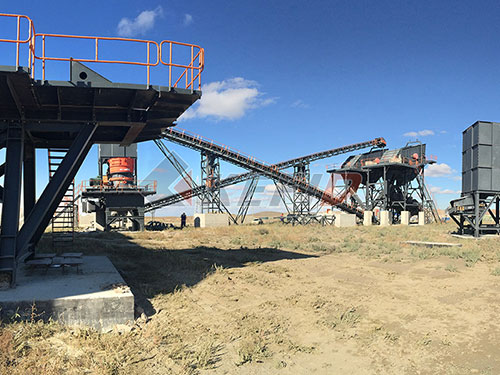

1. PAINPOINT DRIVEN OPENING
Are your brick production targets consistently undermined by operational bottlenecks? For plant managers and contractors, standard bulk brick making machines often fail to address the specific demands of highvolume, commercialscale production. Common challenges include:
Inconsistent Output Quality: Variable brick density and dimensional tolerances lead to high rejection rates, wasting raw materials and incurring rework costs that can exceed 15% of production.
Excessive Labor Dependency: Manual feeding, stacking, and pallet handling create a significant labor cost burden and limit your ability to scale output efficiently.
High Maintenance Downtime: Frequent breakdowns of core components like molds, hydraulic systems, and conveyors halt entire production lines, with unplanned downtime costing thousands per hour in lost revenue.
Inflexible Production Changeovers: Switching between brick types, sizes, or raw material mixes requires hours of manual adjustment and recalibration, reducing overall equipment effectiveness (OEE).
Unsustainable Resource Consumption: Inefficient mixing and compaction cycles lead to excessive energy use per brick and higherthannecessary clay or cement consumption.
Is your operation equipped with machinery that adapts to your specific material mix and output goals, or are you constantly adapting your process to the limitations of your equipment?
2. PRODUCT OVERVIEW: CUSTOMIZED BULK BRICK MAKING MACHINES
A customized bulk brick making machine is a fully integrated production system engineered for continuous, highvolume manufacturing of fired clay or concrete masonry units. Unlike standard models, these systems are tailored at the component level to match your raw material properties, target product specifications, and plant logistics.
Operational Workflow:
1. Automated Material Handling: Premixed raw material is conveyed from the feeder hopper to the main compression chamber with precise volumetric control.
2. HighPressure Compaction: A programmable hydraulic system applies tonnagespecific pressure within a customengineered mold cavity to form bricks with optimal density.
3. Automated Ejection & Palletizing: Formed bricks are ejected onto curing pallets or racks via a robotic arm or synchronized conveyor system, ready for curing or drying.
4. Pallet Return & System Reset: The empty pallet supply is automatically fed back into the cycle while the system resets for the next compression stroke.
Application Scope & Limitations:
This equipment is designed for dedicated commercial plants producing a minimum of 50,000 standard brick equivalents per day. Customization is most effective for operations with a defined primary product mix. While highly adaptable, radical daily changes in raw material composition (e.g., switching from clay to fly ash) may require mechanical reconfiguration outside of standard adjustments.
3. CORE FEATURES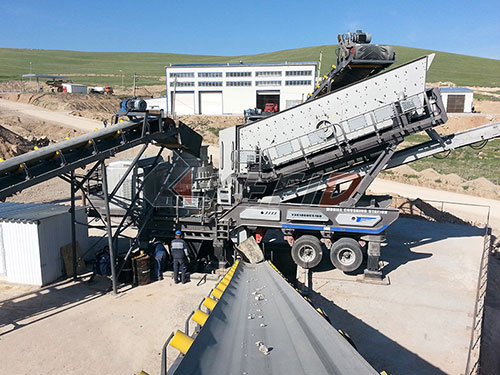
Adaptive Hydraulic Control System | Technical Basis: Closedloop servohydraulics with pressure/position feedback | Operational Benefit: Delivers consistent compaction force regardless of minor material viscosity fluctuations | ROI Impact: Reduces densityrelated rejects by up to 40%, directly improving yield
QuickChange Mold Cartridge System | Technical Basis: Standardized ISO bolt patterns and integrated alignment pins | Operational Benefit: Enables complete mold changeover in under 45 minutes versus half a shift | ROI Impact: Increases plant utilization rate by allowing economical short runs of specialty products
HeavyDuty Agitator & Feeder | Technical Basis: Computermodeled auger geometry matched to material shear strength | Operational Benefit: Eliminates bridging and ensures uniform feed density into the mold box | ROI Impact: Prevents stoppages due to feed issues and reduces wear on compaction components
Centralized Lubrication & Condition Monitoring | Technical Basis: Automated greasing points with flow sensors connected to PLC | Operational Benefit: Provides scheduled maintenance without manual intervention; alerts operators to potential bearing failures | ROI Impact: Extends major overhaul intervals by 3050% and prevents catastrophic downtime
Integrated Vibration Analysis Pads | Technical Basis: Isolating dampeners tuned to the machine’s operational frequency | Operational Benefit: Minimizes transmission of vibration to foundation and surrounding infrastructure | ROI Impact: Lowers longterm structural maintenance costs and meets stringent site vibration regulations
Programmable Logic Controller (PLC) with HMI | Technical Basis: Industrialgrade PLC storing recipes for pressure, cycle time, and stroke count | Operational Benefit: Allows operators to recall settings for different products with onetouch input; logs production data for OEE tracking | ROI Impact: Reduces setup errors by 95% and provides actionable data for continuous process improvement
4. COMPETITIVE ADVANTAGES
| Performance Metric | Industry Standard (OfftheShelf Machine) | Customized Bulk Brick Making Solution | Advantage (% Improvement) |
| : | : | : | : |
| Cycle Time Consistency | ± 0.5 second variance due to hydraulic lag & feed inconsistency| ± 0.1 second variance via servocontrol & uniform feed| 80% more consistent, leading to predictable output |
| Mold Changeover Time| 3 4 hours (manual bolt removal/alignment) | < 45 minutes (cartridge system) | ~75% faster, enhancing flexibility |
| Rejection Rate (Dimensional)| Typically 35% due to wear & inconsistent fill| Maintained below 1.5% through tailored wear components & control| Up to 70% reduction in material waste |
| Energy Consumption per 1000 Bricks| Fixed pump systems drawing peak power continuously| Variablefrequency drives matching power demand to cycle phase| 1825% lower energy cost documented in field audits |
| Mean Time Between Failure (MTBF) Hydraulic System| ~1,200 operating hours before major service indication| >2,000 operating hours with conditionbased monitoring alerts| >66% longer service life, reducing spare part costs |
5. TECHNICAL SPECIFICATIONS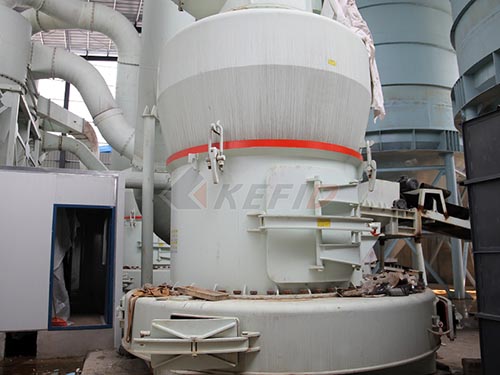
Production Capacity: Configurable from 50,000 to 120,000 standard solid bricks (215x102x65mm) per 8hour shift.
Power Requirements: Main drive powered by a 75150 kW motor (depending on configuration), with full plant auxiliary connection at 400V/50Hz or as specified.
Material Specifications: Engineered for local raw materials; mold liners available in Hardox 500 or specialized alloy steel for abrasive mixes; seals rated for highclay slurry or cementitious dust environments.
Physical Dimensions: Typical footprint ranges from 15m (L) x 6m (W) x 4m (H) for basic machines up to 25m x 10m x 5m for fully integrated lines with automated pallet handling.
Environmental Operating Range: Designed for ambient temperatures from 5°C to 45°C; electrical panels rated IP65 for dust and humidity protection; hydraulic oil viscosity stabilized for specified range.
6. APPLICATION SCENARIOS
LargeScale Clay Brick Plant Expansion
Challenge:
A regional brick manufacturer needed to double output but their existing machines could not handle their increasingly variable clay pit composition without frequent stoppages and high wear.
Solution:
Implementation of two customized bulk brick making machines featuring adaptive hydraulic systems tailored for their specific clay plasticity range and equipped with quickchange molds.
Results:
Within six months, plant output increased by 110%. Rejection rates fell from 4.2% 1%. The ability run specialty perforated bricks on one line without stopping standard production added a new revenue stream.
Concrete Block Producer Seeking Automation
Challenge:
A block producer faced rising labor costs difficulty retaining staff manual pallet handling stations were both a bottleneck safety concern.
Solution:
Integration customized bulk brick making machine complete robotic palletizing arm full pallet wrapping station designed interface directly with their existing curing racks.
Results:
The solution reduced direct labor requirements on the production line by three fulltime equivalents per shift eliminated a documented repetitivestrain injury risk Results showed an estimated payback period of just under two years based on labor savings alone
Engineering Contractor Managing Multiple Projects
Challenge:
A contractor using mobile onsite brick production needed faster setup times between projects different soil compositions required extensive machine recalibration delaying project starts
Solution:
Deployment containerized modular bulk brick making unit pre configured recipes common local materials quick change cartridge system
Results:
Machine mobilization setup time reduced days hours allowing contractor bid tighter project timelines Machine demonstrated reliability across three different geologies without major component failure
7 COMMERCIAL CONSIDERATIONS
Equipment pricing tiers structured around core capacity automation level:
Tier I High Volume Standard Configuration Production capacity up units day includes PLC basic customization key wear parts Base investment aligns large scale greenfield plants
Tier II Modular Automated System Includes robotic pallet handling automated product stacking higher degree customization feed system Suitable brownfield expansions where labor reduction primary goal
Tier III Fully Integrated Turnkey Line Includes complete upstream downstream integration automated mixing curing rack handling turnkey project management Premium solution requiring minimal integration effort client side
Optional Features Advanced condition monitoring telemetry remote diagnostics premium alloy mold liners specific abrasive materials custom branding color scheme service packages Comprehensive annual maintenance contracts parts kits guaranteed response times emergency breakdown support Financing options include capital lease operating lease structures progress payment plans tied factory acceptance tests facilitate cash flow management large capital expenditure
FREQUENTLY ASKED QUESTIONS FAQS BULK BRICK MAKING MACHINE CUSTOMIZATION Q Can your machine be configured use our existing pallets curing racks A Yes integration existing material handling infrastructure primary consideration design phase Our engineers will require specifications conduct interface analysis Q How does customization affect delivery lead time compared standard model A Lead time typically extended weeks allow design validation component sourcing specific requirements Detailed project plan provided upon initial technical review Q What level operator training required run customized system A We provide structured training program covering operation basic maintenance troubleshooting Training conducted both our facility during commissioning ensure competency Q Are performance guarantees provided based our specific input materials A Yes we base performance guarantees on laboratory testing samples provided client Guarantees cover output rate consumption rejection rates under defined operating conditions Q What ongoing technical support available after installation A Support includes first year onsite warranty access technical documentation remote diagnostic support via secure connection recommended annual service inspection performed our certified engineers