
Bespoke Iron Ore Crushing Plant Makers


1. PAINPOINT DRIVEN OPENING
Are your iron ore processing margins being eroded by persistent, unplanned downtime? Commercial operators and plant managers face significant financial and operational hurdles that standard crushing solutions often fail to address. Key challenges include:
Abrasive Wear Costs: The extreme abrasiveness of iron ore (often 56 on the Mohs scale) leads to rapid liner wear in conventional crushers, resulting in frequent, costly shutdowns for component replacement and escalating maintenance budgets.
Throughput Inconsistency: Fluctuations in feed size, moisture content (particularly with fines), and hardness (from hematite to magnetite) can cause chokefeeding, bridging, and unexpected drops in tonsperhour output, disrupting downstream processing.
Unplanned Downtime: The cascading effect of mechanical failure in a primary crusher can idle an entire beneficiation line, costing tens of thousands per hour in lost production and delayed shipments.
Energy Intensity: Inefficient crushing chambers and drives not suited to the specific compressive strength of iron ore waste significant power, directly impacting operational expenditure.
Is your operation equipped to handle these variables while maintaining target availability above 90%? The solution lies not in offtheshelf machinery, but in precisionengineered systems designed from the ground up for this singularly demanding application.
2. PRODUCT OVERVIEW: BESPOKE IRON ORE CRUSHING PLANT
A Bespoke Iron Ore Crushing Plant is a fully engineered, customconfigured system of primary, secondary, and tertiary crushing stations designed exclusively for the physical and chemical properties of your specific ore body. It moves beyond component selection to holistic system integration.
Operational Workflow:
1. Primary Gyratory/Jaw Crushing: Receives runofmine (ROM) ore at the pit face, reducing it to a manageable top size for conveying.
2. Secondary Cone Crushing: Further reduces the ore, preparing it for screening and liberating impurities.
3. Screening & Tertiary Crushing: Ore is screened; oversized material is recirculated through cone or impact crushers to achieve precise product sizing for optimal beneficiation.
4. Material Handling Integration: Customdesigned conveyors, feeders, and transfer points manage the flow between stages to minimize spillage and dust generation.
Application Scope & Limitations:
Scope: Optimized for hightonnage processing of magnetite, hematite (including BHQ/BHJ), itabirite, and taconite ores. Suitable for greenfield installations or brownfield plant upgrades requiring higher efficiency or capacity.
Limitations: Not a modular or portable solution; design and fabrication lead times are longer than for standard plants. Maximum economic benefit is realized on sites with consistent longterm production plans.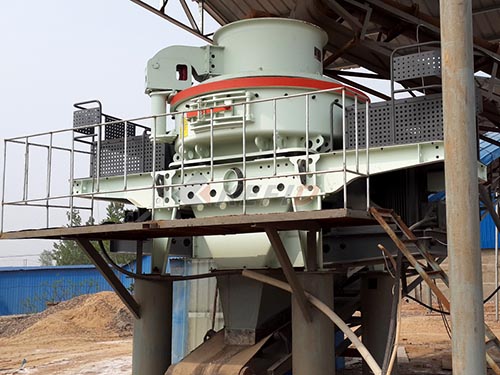
3. CORE FEATURES
Advanced Chamber Geometry | Technical Basis: Dynamic crushing cavity simulation | Operational Benefit: Maintains consistent product gradation and reduction ratio even as liners wear | ROI Impact: Reduces yield loss of outofspec material by up to 15%, ensuring premium product quality.
Metallurgical Liners | Technical Basis: Austenitic manganese steel with microalloying for workhardening | Operational Benefit: Liner life extended by 3050% in highly abrasive iron ore applications | ROI Impact: Lowers costperton for wear parts and reduces frequency of highrisk liner changeout downtime.
Intelligent Load Management System | Technical Basis: Realtime pressure & power monitoring with automated feed control | Operational Benefit: Prevents crusher overloads and eliminates damaging tramp metal events | ROI Impact: Protects major mechanical components from catastrophic failure, reducing repair costs by an average of 25%.
Centralized Greasing & Conditioning Monitoring | Technical Basis: Automated lubrication intervals based on bearing temperature & operating hours | Operational Benefit: Ensures optimal bearing health under highdust conditions typical of iron ore plants | ROI Impact: Extends critical bearing service life by up to 40%, a major factor in achieving >92% plant availability.
Dust Suppression Integration Points | Technical Basis: Engineered shrouding with strategically placed spray nozzles aligned with material fall points | Operational Benefit: Contains airborne particulate at source, improving site safety and environmental compliance | ROI Impact: Mitigates risk of regulatory noncompliance fines and reduces cleanup labor costs.
Modular Walkways & Maintenance Platforms | Technical Basis: Unitized structural design integrated during fabrication | Operational Benefit: Provides safe, direct access for routine inspection and maintenance tasks | ROI Impact: Cuts planned maintenance service time by up to 20%, enhancing workforce safety and productivity.
4. COMPETITIVE ADVANTAGES
| Performance Metric | Industry Standard (OfftheShelf Plant) | Bespoke Iron Ore Crushing Solution | Advantage (% Improvement) |
| : | : | : | : |
| Mechanical Availability (Annual) | 8488% | 9295%+ | +5% to +10% |
| Liner Life (Primary Stage) SiteSpecific Average| ~800k MT| 1.1M 1.2M MT| +30% to +40% |
| Specific Energy Consumption (kWh/MT)| Varies widely; often suboptimal| Optimized via drive & chamber tuning| 10% to 15% |
| Product Yield within Specification| Subject to feed variance| Consistently >95% through intelligent control| +5% to +8% |
| Mean Time Between Failure (Critical Components)| Based on generic duty ratings| Extended via applicationspecific engineering| +25% |
5. TECHNICAL SPECIFICATIONS
Capacity Range: Configurable from 1,500 MTPH to over 10,000 MTPH per processing line.
Power Requirements: Highvoltage drive systems (3.3kV 6.6kV typical) with softstart capabilities; total installed power tailored to throughput and reduction ratio targets.
Material Specifications: Crusher housings fabricated from hightensile steel plate; liners in premiumgrade MN14MN18 or siteproven chromewhiteiron alloys; chute work lined with replaceable abrasionresistant plate.
Physical Dimensions: Plant footprint is projectspecific but engineered for optimal material flow with minimum transfer heights; includes integrated support structures.
Environmental Operating Range: Designed for ambient temperatures from 25°C to +50°C; electrical components rated for local humidity and dust ingress protection (IP65 minimum at critical points).
6. APPLICATION SCENARIOS
Greenfield Magnetite Concentrator Expansion
Challenge: A new mining operation required a primary crushing circuit capable of processing very hard magnetite ore while achieving a consistent 250mm product for SAG mill feed under severe climatic conditions (30°C winters).
Solution: Implementation of a bespoke primary crushing station featuring a heavyduty gyratory crusher with extra thermal protection systems, heated walkways, and a fully enclosed structure with inductionheated chutes.
Results: The plant achieved nameplate capacity within two weeks of commissioning. It has maintained >94% availability through three winter seasons, with liner life exceeding initial projections by 18%.
Brownfield Hematite Plant Upgrade
Challenge: An existing hematite operation faced declining throughput due to bottlenecks at the secondary/tertiary crushing stages caused by sticky fines causing frequent chamber packing.
Solution:: Design and integration of customconfigured cone crushers with advanced chamber clearing systems (autoreverse function) and modified mantle/bowl liner profiles optimized for the site's specific ore blend.
Results:: Throughput increased by 22%. Chamber packing incidents were reduced by over 90%, freeing up an estimated 300 hours of operator intervention time annually while improving final product sizing.
7. COMMERCIAL CONSIDERATIONS
Bespoke plants are capital projects priced on a complete engineeringprocurementfabrication basis.
Pricing Tiers: Influenced by capacity (e.g., 6,000 MTPH), level of automation (PLC vs full SCADA integration), material specification grade.
Optional Features / AddOns: Online particle size analysis (PSA) systems integrated into conveyor lines; advanced vibration monitoring networks; semiautomatic liner changeout systems; complete dust extraction baghouses vs suppressiononly systems.
Service Packages: Typically include multiyear Performance Assurance Plans covering scheduled maintenance supervision OEM spare parts provisioning remote monitoring services
Financing Options Project financing support can often be facilitated through partnerships with industrial finance institutions offering leaseback or extended payment terms aligned with project rampup milestones
8.FAQ
Q What is the typical lead time from design freeze commissioning?
A For a full bespoke iron ore crushing plant expect an approximate timeline months detailed engineering months fabrication shipping months site erection commissioning This timeline underscores importance early engagement feasibility studies
Q How do you ensure technical compatibility our existing downstream processes?
A Our engineering process begins comprehensive audit existing flowsheet including particle size distribution mass balance targets This data informs simulation modeling ensure new plant integrates without creating bottlenecks elsewhere circuit
Q What measurable operational impact can we expect energy consumption?
A Field data shows properly configured bespoke plant can reduce specific energy consumption kWh per metric ton processed compared poorly matched standard equipment through optimized drive selection chamber dynamics reduced recirculating load
Q Are spare parts proprietary must they sourced you?
A While we strongly recommend genuine OEM parts critical wear components maintain performance warranties interchangeability documentation provided Standard bearings seals other commercial items can sourced locally per specifications
Q What commercial terms are standard such project?
A Contracts are typically executed on lumpsum turnkey basis milestone payments tied engineering deliverables equipment shipment arrival site mechanical completion final performance acceptance tests Retention clauses are standard industry practice
Q How is performance guaranteed?
A Final contract includes Performance Guarantees covering key metrics throughput availability product size distribution specific energy use Guarantees validated during defined test period following stable operation penalties outlined noncompliance