
250 300tph Stone Crushing Plant Vendor Wholesale Price

The Ultimate Guide to Sourcing a High-Performance 250-300 TPH Stone Crushing Plant: Vendors & Value Optimization
Introduction: Meeting the Demand for Mid-to-High Capacity Aggregates
The global surge in infrastructure development, urbanization, and construction mega-projects continues to drive an insatiable demand for high-quality crushed stone aggregates. For quarry operators, mining companies, and large-scale contractors seeking reliable production in the crucial 250 to 300 tons per hour (TPH) range, selecting the right crushing plant vendor is paramount. This capacity bracket represents a significant investment but offers the perfect balance between substantial output and manageable operational complexity for many medium-to-large operations. Choosing wisely impacts not just the initial capital expenditure (CAPEX), but profoundly influences long-term operational expenditure (OPEX), plant uptime, final product quality consistency, and ultimately, profitability.
This comprehensive guide delves deep into the world of sourcing a robust and efficient 250-300 TPH stone crushing plant. We'll explore vendor landscapes, critical technical considerations beyond mere price tags, strategies for securing competitive wholesale pricing without compromising quality or reliability, and key factors ensuring your investment delivers maximum return over its lifespan.
Understanding the Core Components of a Robust 250-300 TPH Plant
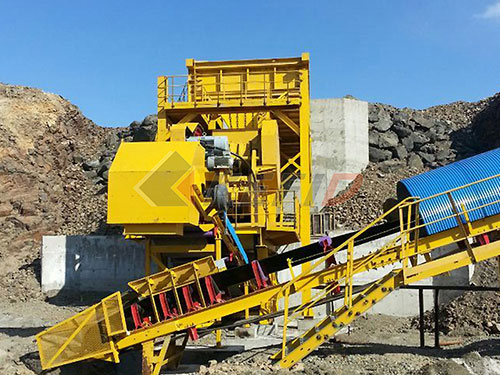
A crushing plant is far more than just crushers. A reliable and efficient system involves seamless integration of several key components:
1. Primary Crushing Station: The first line of defense against large feed material.
Dominant Technology: Heavy-duty Jaw Crushers reign supreme here due to their ability to handle large feed sizes (up to ~1000mm or more) and high compressive strength rock.
Typical Models & Specs: Expect robust models like Nordberg® C150/C160/Sandvik CJ615/CJ815 or equivalent from other reputable manufacturers. Feed openings typically range from 1000x760mm up to 1500x1200mm.
Critical Considerations: Feed size capability (matching your blasted rock size), required reduction ratio at this stage (dictating discharge setting), hydraulic adjustment systems for quick CSS changes, wear part life expectancy under your specific rock abrasiveness.
2. Secondary Crushing Stage: Refining primary crushed material into intermediate sizes.
Dominant Technology: Cone Crushers are standard here due to their excellent cubicity control and efficiency in reducing hard/abrasive materials.
Typical Models & Specs: Hydraulic Cone