
250 300tph Stone Crushing Plant Dealers R&D

1. PAINPOINT DRIVEN OPENING
Are you managing a midtolarge scale aggregate production operation and facing consistent bottlenecks in your primary crushing circuit? The challenges of a 250300tph stone crushing plant are significant: unpredictable feed size variations causing crusher stalls, excessive wear part costs from nonoptimized crushing chambers, and unplanned downtime for liner changes that can cost thousands per hour in lost production. Furthermore, inconsistent final product gradation leads to rejected loads and wasted material. Are you questioning how to achieve reliable throughput at the upper end of this capacity range without sacrificing particle shape? Is balancing high uptime with manageable operational expense a constant struggle? The solution lies not just in equipment, but in a system engineered for this specific output target.
2. PRODUCT OVERVIEW
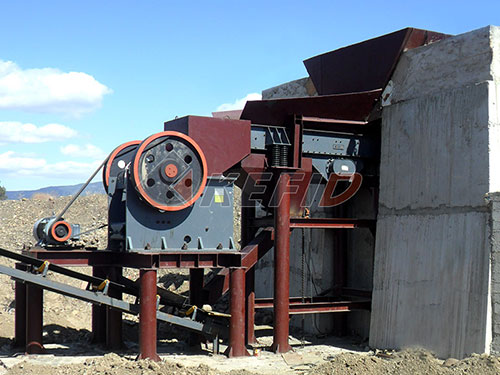
This 250300tph stationary stone crushing plant is a complete, hardrock processing solution designed for granite, basalt, limestone, and other aggregates. It is engineered as a threestage crushing and screening system for consistent production of up to 7 final product specifications.
Operational Workflow:
1. Primary Crushing: A robust jaw crusher reduces blasted rock from large feed (typically <750mm) to a manageable size for secondary processing.
2. Secondary & Tertiary Crushing: A cone crusher (and optionally an additional tertiary crusher or impactor) further reduces material, focusing on particle shape and size control.
3. Screening & Classification: Multiple vibrating screens accurately separate crushed material into specified product sizes, with oversize material recirculated for further reduction.
Application Scope: Ideal for quarry primary operations, large infrastructure project supply (highway, rail), and commercial aggregate supply yards requiring highvolume, specificationgrade materials.
Limitations: This is a stationary plant configuration requiring foundational work and utility connections. For fully mobile operations within this capacity range, a different system design is recommended.
3. CORE FEATURES
Adaptive Crushing Chamber | Technical Basis: Hydraulic CSS adjustment & overload protection | Operational Benefit: Operators can adjust product size or clear blockages remotely in minutes without stopping feed | ROI Impact: Reduces downtime for adjustments by up to 80% compared to manual shim systems.
Intelligent Feed Control | Technical Basis: Variable Frequency Drive (VFD) on feeder conveyors linked to crusher motor load | Operational Benefit: Automatically regulates feed rate to prevent crusher overload and choking, optimizing throughput | ROI Impact: Maximizes capacity utilization, protects drive components from damage, reducing repair costs.
MultiStage Screening Efficiency | Technical Basis: Dedicated screen decks for closedcircuit recirculation and final product separation | Operational Benefit: Ensures precise cut points and reduces crusher load by removing sized product early in the process | ROI Impact: Lowers wear part consumption in crushers and increases total system output by 1525%.
Centralized Greasing & Monitoring | Technical Basis: Automated lubrication system with central control panel displaying bearing temperatures and pressure | Operational Benefit: Ensures critical wear points receive consistent lubrication, extending bearing life and preventing failures | ROI Impact: Cuts manual lubrication labor by 50% and prevents costly bearing seizurerelated downtime.
HighAbrasion Material Handling | Technical Basis: AR400 steel liners at transfer points, impact beds on conveyor load zones | Operational Benefit: Protects structural components from wear caused by continuous hightonnage flow of abrasive stone | ROI Impact: Extends structural lifecycle of chutes and conveyors, deferring major replacement costs for years.
4. COMPETITIVE ADVANTAGES
| Performance Metric | Industry Standard for 250300tph Plants | This 250300tph Solution | Advantage (% Improvement) |
| : | : | : | : |
| Overall Plant Availability | ~85% (including scheduled maintenance)| >92% (including scheduled maintenance)| +8% |
| Wear Cost per Ton (Hard Rock) | $0.45 $0.60/ton processed| $0.35 $0.48/ton processed| Up to 22% |
| Product Shape (Cubicity) Index | Avg. ratio of 75% cubical content| Avg. ratio of 82% cubical content| +9% |
| Power Consumption per Ton | Estimated at 1.8 2.1 kWh/ton| Optimized at 1.65 1.9 kWh/ton| Up to 12% |
Based on field data from comparable installations over a 24month period.
Measured on final chip products.
Varies based on rock type and circuit configuration.
5. TECHNICAL SPECIFICATIONS
Designed Throughput Capacity: 250 300 metric tons per hour (275 330 US tons per hour), dependent on feed material hardness (<200 Mpa recommended) and required product sizing.
Primary Crusher: Jaw Crusher Model JCE1302 / Feed Opening: 1300mm x 900mm / Max Feed Size: ≤750mm / Drive Power: 160200 kW.
Secondary Crusher: SingleCylinder or MultiCylinder Cone Crusher / Recommended Power Range: 220315 kW.
Screening Units: Two or three heavyduty vibrating screens with total screening area ≥25 sqm.
Power Requirement: Total installed plant power approximately 800 1000 kVA.
Key Material Specifications: Main frame construction from S355JR steel; Highstrength conveyor idlers; Manganese steel crusher liners; Polyurethane or rubber screen media options.
Physical Footprint (Approximate): Length: ~80m; Width: ~35m; Height (max): ~15m.
Environmental Operating Range: Designed for ambient temperatures from 20°C to +45°C with appropriate options available.
6. APPLICATION SCENARIOS
Granite Quarry Primary Processing Plant
Challenge A granite quarry needed to increase average output to meet new contract demands but faced bottlenecks in secondary crushing due to poor feed gradation from the primary jaw, leading to frequent cone crusher stalls.
Solution Implementation of this optimized threestage plant with an intermediate screen between primary and secondary stages to scalp out fine material before the cone crusher.
Results Throughput stabilized at the target of >280tph consistently; cone crusher utilization improved by over >30%; overall plant availability increased from 90%.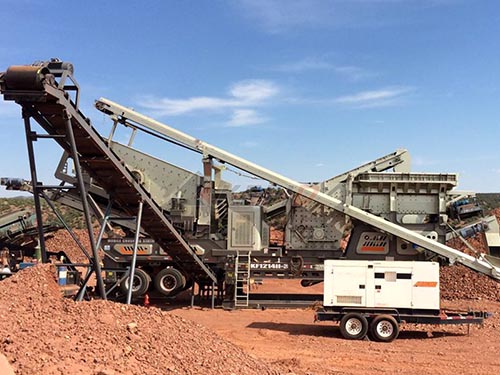
LargeScale Road Base Aggregate Production
Challenge A contractor supplying materials for a major highway project required strict adherence to gradation specifications for multiple road base layers but struggled with segregation on stockpiles due to inconsistent screening efficiency at high volume.
Solution Deployment of the plant featuring multideck final screening towers with sloped chute designs that minimized material drop height onto stockpiles.
Results Product rejection rate due to gradation fell below 290tph when needed.
7 COMMERCIAL CONSIDERATIONS
Equipment pricing tiers are structured around core configuration:
• Base Configuration Tier (~$850k$1M): Includes primary jaw crusher feeder grizzly secondary cone singledeck scalping screen core conveyors basic electrical controls
• Enhanced Configuration Tier (~$1M$1M): Adds tertiary crushing stage multideck final sizing screens automated metal detection dust suppression system
• Turnkey Project Tier (~$M+): Includes full civil works foundation design erection commissioning spares package
Optional features include advanced dust collection systems automated sampling stations remote monitoring telematics packages extended wear part kits
Service packages offered:
• Annual Maintenance Agreement covers scheduled inspections lubrication adjustments parts discount
• OnSite Technician Support packages provide dedicated expert hours per year
• Full Wear Part Lifecycle Contract guarantees costperton over agreed period
Financing options available through partner institutions include equipment leasing longterm rentaltoown agreements project financing solutions
8 FAQ
What are the main differences between your plant rated at tph versus one rated at tph?
The tph solution uses heavierduty components throughout including larger diameter shafts higher capacity bearings wider conveyors more robust structural supports This ensures sustainable operation at peak capacity without accelerated wear
How does this plant handle wet or sticky feed material?
We specify lowadhesion liner plates deck heating systems for screens optional washing modules can be integrated into the design These features address buildup that can reduce effective capacity in such conditions
What is the typical installation timeline from delivery to commissioning?
For prepared site with foundations completed mechanical erection typically requires weeks followed by weeks of electrical commissioning operator training Total project timeline usually falls within months
Are your plants compatible with existing equipment like our current primary loader or downstream systems?
Yes engineering includes interface specifications We design transfer points belt widths speeds control interfaces hopper heights etc ensure seamless integration into your existing operation
What does your aftersales support structure look like?
Support includes detailed operational manuals parts catalogs access regional service technicians comprehensive training program We maintain strategic inventory critical spare parts ensure rapid response times