
Wholesale Impact Crushers Maker


1. APERTURA IMPULSADA POR EL PUNTO DE DOLOR
¿Los crecientes costos operativos y el tiempo de inactividad impredecible están erosionando sus márgenes de producción agregada?? Para gerentes de planta y contratistas de ingeniería, the primary crushing stage presents persistent challenges that cascade through your entire operation. Considere estos puntos débiles comunes:
Altos costos de reemplazo de piezas de desgaste: Frequent shutdowns to replace hammers, barras de golpe, and liners in abrasive applications directly impact your bottom line.
Tiempo de inactividad no programado para mantenimiento: Reactive repairs to critical components like rotors or bearings halt production, delaying projects and missing delivery windows.
Gradación de producto inconsistente: Poor control over final product shape and size leads to excess fines or outofspec material, reducing saleable yield.
Alto consumo de energía por tonelada: Inefficient crushing chambers and drive systems make electricity a major, uncontrollable variable cost.
Rigidez en el ámbito de aplicación: A crusher that cannot adapt to varying feed materials or product requirements forces compromises in efficiency.
What if your primary or secondary crushing solution could directly address these issues? The right impact crusher is not just a machine; es una inversión estratégica en un rendimiento predecible, controlled operating expense, and superior product quality.
2. DESCRIPCIÓN GENERAL DEL PRODUCTO
La moderna trituradora de impacto de eje horizontal (HSI) is engineered for highvolume reduction of medium to low abrasion materials like limestone, hormigón reciclado, asfalto, y escombros de demolición. Its core function is to fracture material via sharp, highvelocity impact against rotating blow bars and durable breaker plates.
Flujo de trabajo operativo:
1. Consumo de alimento: El material se dirige a la robusta tolva de alimentación y al transportador de alimentación regulado..
2. Aceleración & Impacto: The centrifugal force of the highinertia rotor accelerates material into the adjustable primary curtain.
3. Controlled Fracturing: Material rebounds between the rotor blow bars and adjustable secondary aprons/curtains for further reduction.
4. Eyección del producto: Correctly sized material exits through the adjustable gap between aprons, while larger pieces recirculate for further impact.
5. Control de gradación: Final product size and shape are precisely managed by adjusting apron gaps and rotor speed.
Ámbito de aplicación & Limitaciones:
Ideal para: Caliza, agregados reciclados (hormigón/asfalto), escoria, carbón, nonabrasive quarry rock.
Muy adecuado para: Primary or secondary crushing duties where a cubical product shape is paramount.
Limitaciones: No recomendado para rocas ígneas altamente abrasivas. (p.ej., granito, basalto) as primary crushers without significant operational cost planning for wear parts.
3. CARACTERÍSTICAS PRINCIPALES
Sistema de ajuste hidráulico | Base técnica: Cilindros hidráulicos integrados que controlan la posición del faldón trasero. | Beneficio operativo: Permite a los operadores ajustar la gradación del producto o eliminar obstrucciones en minutos sin cambios manuales de cuñas | Impacto del retorno de la inversión: Reduce el tiempo de inactividad del ajuste hasta en 80%, aumento de la disponibilidad de la planta
Diseño de rotor monobloque | Base técnica: Solid steel rotor disc forged/welded into a single unit with high inertia | Beneficio operativo: Provides stable operation under uneven feed conditions and withstands high shock loads | Impacto del retorno de la inversión: Extiende la vida útil del rodamiento hasta 40% and reduces vibrationrelated structural stress
Sistema de piezas de desgaste QuickChange | Base técnica: Wedgelocked or cartridgeheld blow bars and apron liners | Beneficio operativo: Enables safe replacement of key wear components from outside the machine | Impacto del retorno de la inversión: Cuts wear part changeout time by over 50%, reducir los costos laborales
MultiPosition Breaker Plates | Base técnica: Repositionable/wrappable primary curtains or breaker plates | Beneficio operativo: Maximizes wear material utilization by offering multiple wear surfaces before replacement | Impacto del retorno de la inversión: Can extend time between plate replacements by 23x, decreasing part consumption cost per ton
Sistema de transmisión directa | Base técnica: Vbelt or direct coupling from motor to rotor without gear reducers | Beneficio operativo: Ofrece una mayor eficiencia de transmisión de potencia (>95%) with fewer mechanical components | Impacto del retorno de la inversión: Reduce el consumo de energía en 812% compared to crushers with indirect drives
Interfaz de automatización basada en PLC | Base técnica: Integrationready control system monitoring amp draw, vibración, temperatura | Beneficio operativo: Provides realtime operational data for predictive maintenance scheduling and load optimization | Impacto del retorno de la inversión: Previene fallas catastróficas; enables output optimization for estimated 35% throughput gain
4. VENTAJAS COMPETITIVAS
| Métrica de rendimiento | Estándar de la industria (Competitive HSI) | Nuestra solución de trituradora de impacto | Ventaja (% Mejora) |
| : | : | : | : |
| Tiempo de cambio de pieza de desgaste (Barras de golpe) | 68 horas (tripulación de 23) | 23 horas (tripulación de 2) | ~65% más rápido |
| Consumo de energía (kW per ton/hr)| Based on specific models; benchmarked value = X kW/tph| Field data shows consistent reduction| Arriba a 12% más bajo |
| Rotor Service Life (Abrasive Apps)| ~600k tons before major rebuild| Documentado >900k tons with proper maintenance| +50% longevidad|
| Relación de Cubicidad del Producto (% Cúbico)| Típicamente 7585% producto cúbico| Achieves consistent >90% producto cúbico| Improved particle shape|
| Emisión de ruido a 10 m (dB(A))| ~110dB(A) typical operation|<105 dB(A) with standard housing| Reduced environmental compliance burden|
5. ESPECIFICACIONES TÉCNICAS
Rango de capacidad: Modelos disponibles desde 150 TPH por encima 800 Rendimiento nominal de TPH.
Dimensiones del rotor & Velocidad: Diámetros de ~1m a ~1,5m; speeds adjustable within a range of ~500800 RPM depending on model.
Requisitos de energía de la unidad: Accionamientos de motores eléctricos que van desde 200 kW hasta 600 kilovatios; compatible with most industrial power supplies.
Apertura de alimentación & Tamaño máximo de alimentación: Feed openings up to ~1m x ~1m; maximum recommended feed size typically ≤80% of inlet width.
Especificaciones clave de materiales: Rotor constructed from hightensile steel alloy; barras de soplado disponibles en múltiples aleaciones (acero martensítico, Compuesto cerámico); abrasionresistant steel liners throughout internal housing.
Dimensiones físicas & Peso: Varía significativamente según el modelo.; approximate footprint range of L10m x W4m x H4m; weights from ~20 tonnes upwards.
Rango de operación ambiental: Diseñado para temperaturas ambiente de 20°C a +45°C; rodamientos sellados contra el polvo estándar.
_(Throughput dependent on feed material characteristics.)_
6. ESCENARIOS DE APLICACIÓN
Recycled Concrete Aggregate Plant Challenge:
A contractor specializing in demolition waste faced excessive wear costs from rebar contamination and inconsistent output gradation that failed DOT specifications.
Solución:
Implementation of a heavyduty impact crusher equipped with a monobloc rotor for tramp iron tolerance and hydraulic apron adjustment.
Resultados:
Wear part life increased by an average of two weeks per set due to robust design; ability to finetune aprons onthefly resulted in a consistent yield where >95% of output met DOT spec without secondary screening recirculation.
Limestone Quarry Secondary Crushing Challenge:
A quarry’s existing secondary cone crushers produced excessive fines (<5milímetros), reducing saleable yield of chip products while consuming high energy per ton processed.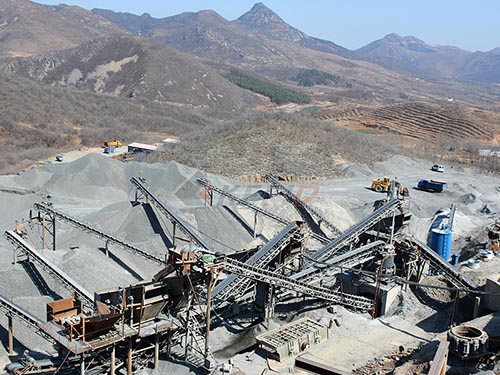
Solución:
Replacement with an impact crusher configured for high cubicity output as a tertiary unit after jaw crushing.
Resultados:
Energy consumption reduced by an estimated $15k annually due to more efficient direct drive system; improved particle shape increased chip product yield by approximately eight percent while decreasing overall fines generation.
7. CONSIDERACIONES COMERCIALES
Nuestras trituradoras de impacto al por mayor se ofrecen en tres niveles principales:
1. Serie de servicio estándar: For consistent processing of nonabrasive materials like limestone. Base pricing reflects core reliability features including solid rotor construction and basic hydraulic adjustment.
2. Serie de servicio pesado (Recommended for Recycled Aggregates): Includes enhanced wear protection packages, tramp iron relief systems as standard, and upgraded bearing assemblies for shock loads.
3. Modular/Portable Configuration (For Contractors): Crusher mounted on a heavyduty chassis with integrated feeder/discharge conveyors for rapid site deployment.
Las características opcionales incluyen:
Advanced automation packages with remote monitoring
Integración del sistema de supresión de polvo.
Specialized alloy packages for blow bars/liners
Custom discharge hoods for specific conveyor layouts
We support commercial buyers through flexible financing structures including equipment leasing programs tailored for capital expenditure cycles common in aggregate production businesses.
8. Preguntas frecuentes
Q1. Is this type of impact crusher suitable as a direct replacement for my existing jaw or cone crusher?
It can be evaluated as such depending on your feed material’s abrasiveness index required final product specification A detailed analysis of your current circuit is recommended as jaw cone units often serve different purposes within the flow sheet
Q2. ¿Cuál es el costo operativo esperado por tonelada procesada??
Operational cost is dominated by wear parts energy consumption Field data indicates total operating costs ranging between $0 $0 per ton processed depending primarily on material abrasiveness Proper selection of wear part metallurgy is critical
Q3. How does this equipment integrate with my existing plant PLC control system?
The crusher comes standard with an automationready interface providing standard IO signals amp draw vibration levels Integration protocols are documented allowing your controls engineer or our technical team facilitate connection
Q4. What are typical lead times after order placement?
Lead times vary based on model specification complexity Current standard lead times range from weeks following order confirmation subject foundry schedules component availability Expedited options may be available during procurement discussions
Q5. ¿Qué cubre la garantía??
We provide month warranty covering defects materials workmanship major structural components like main frame rotor shaft Additional extended warranty service contracts are available covering scheduled preventive maintenance inspections