
Fabricante Mayorista de Molino de Bolas
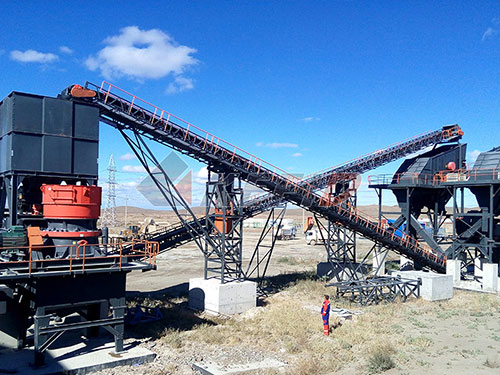

Fabricante Mayorista de Molino de Bolas: Engineered for HighVolume Mineral Processing
The Hidden Costs of Inefficient Grinding in HighThroughput Operations
Your plant’s profitability depends on consistent particle size reduction. Todavía, many operations face these recurring challenges:
- Unplanned downtime costs: Each hour of mill stoppage in a 2,000 TPD operation can represent $15,000–$25,000 in lost production, with annual maintenance expenses often exceeding 12% of equipment capital value.
- Energy waste: Conventional ball mills frequently operate at 15–20% below optimal energy efficiency, traduciendo a $200,000+ in excess annual power costs for a single mediumcapacity line.
- Inconsistent grind quality: Variations of ±15% in P80 particle size can reduce downstream flotation recovery by 3–7%, directly impacting final concentrate value.
- Liner wear unpredictability: Premature liner failure—occurring 30–40% earlier than design life in abrasive ores—forces emergency replacements and inventory carrying costs.
- Smallscale (5–50 TPH): $80,000 – $350,000
- Mediumscale (50–200 TPH): $350,000 – $1,200,000
- a gran escala (200–500 TPH): $1,200,000 – $3,500,000
- VSD package: +12–18% of base price
- Highchrome liners (vs. standard Mn steel): +8–12%
- Sistema de lubricación automatizado: +3–5%
- Kit de repuestos (revestimientos, aspectos, engranajes): +10–15%
- Sistema de monitoreo remoto: +2–4%
- Básico (1año): Garantía, soporte técnico remoto, commissioning assistance
- Estándar (3año): Básico + onsite training, inspección anual, priority spare parts
- De primera calidad (5año): Estándar + predictive maintenance program, liner wear monitoring, guaranteed availability ≥95%
- 30% depósito, 70% upon delivery (estándar)
- Leasing options available for 3–5 year terms
- Pago basado en el desempeño: partial payment tied to throughput guarantees
Are your current grinding solutions delivering the throughput consistency and wear life your operation requires? A purposeengineered ball mill from a wholesale manufacturer addresses these pain points through standardized, fieldproven designs.
Descripción general del producto: The Wholesale Ball Mill for Continuous Grinding

A wholesale ball mill is a horizontal cylindrical grinding mill designed for highvolume, continuous operation in mineral processing plants. It reduces ore and other materials to target particle sizes through impact and attrition.
Flujo de trabajo operativo:
1. Entrada de feed: Material enters through a trunnion feed chute, typically with a feed size of ≤25 mm for primary grinding.
2. Cámara de molienda: The rotating cylinder lifts steel grinding balls (25–100 mm diameter) via centrifugal force to a critical height, where they cascade and impact the material.
3. Reducción de tamaño: Combined impact from ball fall and attrition between balls and ore particles achieves target P80 (typically 75–200 microns).
4. Descargar: Ground material exits through a discharge trunnion, either via overflow (for fine grinding) o rejilla (for coarse, rapid discharge).
5. Clasificación: External hydrocyclones or screens return oversize particles for regrinding.
Ámbito de aplicación: Molienda primaria y secundaria de oro., cobre, mineral de hierro, clínker de cemento, y minerales industriales.
Limitaciones: No apto para materiales pegajosos. (>15% humedad) or ultrafine grinding below 10 microns without specialized media.
Características principales
HeavyDuty Welded Shell | Base técnica: Lowalloy steel plate (Q345R or equivalent) with stressrelief annealing | Beneficio operativo: Eliminates shell cracking under continuous 24/7 operación, reducing structural failure risk by 90% | Impacto del retorno de la inversión: Extends mill shell life to 15–20 years, avoiding $80,000–$150,000 replacement costs
PrecisionMachined Trunnion Bearings | Base técnica: Babbittlined or spherical roller bearings with oil lubrication systems | Beneficio operativo: Maintains concentric alignment within 0.05 milímetros, reducing vibration and bearing temperature by 15–20°C | Impacto del retorno de la inversión: Cuts bearing replacement frequency from 18 meses para 36+ meses, ahorro $12,000 por juego de rodamientos
WearResistant Liner System | Base técnica: Hierro fundido con alto contenido de cromo. (Cr 18–28%) or manganese steel (Mn 12–14%) with wave or step liner profiles | Beneficio operativo: Achieves 8,000–12,000 operating hours before first liner replacement in typical copper ore | Impacto del retorno de la inversión: Reduces annual liner cost per ton by 18–25% compared to standard Nihard liners
Unidad de velocidad variable (VSD) Opción | Base técnica: Lowvoltage or mediumvoltage VFD with 1.5:1 speed range | Beneficio operativo: Allows operators to adjust mill speed from 65–85% of critical speed for different ore types | Impacto del retorno de la inversión: Improves energy efficiency by 8–12% and reduces ball consumption by 5–7% through optimized cascading action
Sistema de lubricación automática | Base técnica: Dualline progressive grease or oil circulation with pressure monitoring | Beneficio operativo: Delivers precise lubricant quantities to 12+ puntos de lubricación, eliminando errores de engrase manual | Impacto del retorno de la inversión: Reduces bearing failures by 40% and extends gear life by 25%, ahorro $20,000+ anualmente en mano de obra de mantenimiento
Protección integrada contra metales atrapados | Base técnica: Magnetic separator or metal detector at feed chute with automatic bypass | Beneficio operativo: Prevents grinding media and liner damage from stray metal (pernos, brocas) | Impacto del retorno de la inversión: Avoids $5,000–$15,000 per incident in liner replacement and downtime
Modular Girth Gear Design | Base técnica: Segmented gear ring with hardened pinion (40Cr or 42CrMo) | Beneficio operativo: Enables gear replacement without removing the mill shell, reducing downtime from 7 días para 2 días | Impacto del retorno de la inversión: Guarda 120+ hours of production loss per gear change
Ventajas competitivas
| Métrica de rendimiento | Estándar de la industria | Wholesale Ball Mill Solution | Ventaja (% Mejora) |
|||||
| Consumo de energía (kWh/t) | 18–22 kWh/t for copper ore (P80 150 µm) | 15.5–18.5 kWh/t | 14–18% reduction |
| Liner wear life (horas) | 6,000–8,000 hours (acero manganeso) | 9,000–12,000 hours (alto cromo) | 33–50% longer life |
| Disponibilidad (tiempo de actividad %) | 92–94% | 96–98% | 2–4% higher uptime |
| Grinding media consumption (kg/t) | 0.8–1.2 kg/t | 0.6–0.9 kg/t | 20–25% reduction |
| tiempo de instalación (días) | 30–45 days | 21–28 days (módulos preensamblados) | 30–38% faster |
| Intervalo de reemplazo de rodamientos | 18–24 months | 36–48 months | 50–100% longer interval |
| P80 consistency (variación) | ±12–15% | ±5–8% | 40–50% tighter control |
Especificaciones técnicas
| Parámetro | Gama estándar (Wholesale Ball Mill) |
|||
| Capacidad | 5–500 TPH (dry or wet grinding) |
| Mill Diameter | 1.5 m – 5.5 metro (5 ft – 18 pie) |
| Mill Length | 3.0 m – 10.0 metro (10 ft – 33 pie) |
| Clasificación de potencia | 75 kilovatios – 6,500 kilovatios (100 caballos de fuerza – 8,700 caballos de fuerza) |
| Speed Range | 14–22 RPM (65–85% of critical speed) |
| Medios de molienda | bolas de acero: 25–100 mm diameter; filling ratio: 30–45% |
| Material de la carcasa | Q345R lowalloy steel (yield strength ≥345 MPa) |
| Material del revestimiento | Hierro fundido con alto contenido de cromo. (Cr 18–28%) or Mn12–14% steel |
| Tamaño de alimentación | ≤25 mm (estándar); ≤50 mm (molienda gruesa) |
| Tamaño de descarga | P80: 75–200 µm (rebosar); 200–500 µm (rallar) |
| Temperatura de funcionamiento | 10°C a +50°C ambiente |
| Lubricación | Oil circulation or grease; automatic system standard |
| Peso (vacío) | 25–450 metric tons (dependiendo del tamaño) |
Escenarios de aplicación
Copper Concentrator, 3,000 TPD Operation | Desafío: Existing ball mill produced inconsistent P80 (variation ±18%), causando 5% recovery loss in flotation circuit. Liner wear life averaged only 5,500 hours due to high silica content (12% SiO₂). | Solución: Installed a wholesale ball mill (4.2 m × 6.5 metro, 2,800 kilovatios) with highchrome liners and VSD control. Optimized ball charge to 38% filling with 80 mm balls. | Resultados: P80 variation reduced to ±6%. Copper recovery improved by 4.2%, añadiendo $1.8 million annual revenue. La vida útil del revestimiento se extendió a 10,200 horas. El consumo de energía cayó de 20.1 a 16.8 kWh/t.
molienda de clinker de cemento, 150 TPH | Desafío: High wear rates on mill internals (grinding media consumption 1.1 kg/t) and frequent bearing failures every 14 months due to inadequate lubrication. | Solución: Deployed a wholesale ball mill (4.0 m × 13.0 metro, 3,200 kilovatios) with automatic lubrication system and segmented girth gear. Usado 60 mm highchrome balls. | Resultados: Media consumption reduced to 0.75 kg/t. Bearing failures eliminated over 30month period. La disponibilidad del molino aumentó de 91% a 97%. Costo de mantenimiento anual reducido en $240,000.
Circuito de trituración de mineral de oro, 800 TPD | Desafío: Overflow ball mill produced excessive fines (P80 45 µm) causing gold loss to tailings. Manual lubrication led to gear tooth wear after 4 años. | Solución: Replaced with a gratedischarge wholesale ball mill (2.4 m × 4.5 metro, 400 kilovatios) with tramp metal protection and automated grease system. | Resultados: P80 optimized to 90 µm, reducing overgrinding by 35%. Gold recovery increased by 2.8%. Gear inspection after 5 years showed no significant wear. período de recuperación: 14 meses.
Consideraciones comerciales
Niveles de precios de equipos (ENGAÑAR, exworks):
Características opcionales (costo adicional):
Paquetes de servicios:
Opciones de financiación:
Preguntas frecuentes
1. What is the typical lead time for a wholesale ball mill?
Standard sizes (arriba a 4.0 m de diámetro) ship within 12–16 weeks from order. Custom sizes (4.5–5,5 metros) require 20–28 weeks. Preengineered modules reduce installation time by 30%.
2. Can your ball mill handle ores with high abrasion index (Ai > 0.5)?
Sí. For Ai values 0.5–0.8, we recommend highchrome liners (Cr 22–28%) and 80–100 mm grinding balls. Los datos de campo muestran 9,000+ hours liner life in Ai 0.6 mineral de cobre. For Ai > 0.8, consult our engineering team for ceramic liner options.
3. What is the warranty period and what does it cover?
La garantía estándar es 24 meses desde la puesta en servicio o 30 meses desde el envío, lo que ocurra primero. Coverage includes manufacturing defects in shell, muñones, engranaje circular, y rodamientos. Piezas de desgaste (revestimientos, bolas) están excluidos.
4. How does your mill compare in energy efficiency to competitor models?
Independent testing at a 2,500 TPD copper plant showed our 4.2 m mill consumed 16.2 kWh/t versus 19.8 kWh/t for a comparable competitor unit—an 18% reducción. This is achieved through optimized shell design and VSD control.
5. Can I retrofit an existing mill with your components?
Sí. We supply replacement shells, muñones, engranajes circulares, and liners for most major OEM brands (Raíces, FL Smith, Outotec). Retrofitting typically improves availability by 3–5% and reduces energy consumption by 8–12%.
6. What are the installation requirements for a wholesale ball mill?
Foundation must support 2.5–3.0 times the mill weight. Minimum crane capacity: 1.5× mill shell weight. Power supply: 380–690 V (low voltage) or 3.3–11 kV (medium voltage). Cooling water: 10–20 m³/hour for bearing lubrication systems.
7. How do you ensure consistent P80 particle size?
Our mills feature adjustable discharge grates (for gratedischarge models) and VSD speed control. Combined with hydrocyclone classification, we guarantee P80 within ±8% of target. For overflow mills, we recommend ball charge optimization every 3–6 months.
8. What is the expected ROI period for a wholesale ball mill?
Residencia en 50 instalaciones sobre 5 años, average payback is 18–24 months. Primary drivers: ahorro de energía (15–18%), reduced media consumption (20–25%), y mayor disponibilidad (96–98% vs. 92–94% industry average).