
Al por mayor 500 Tph Gold Mining Washing Plant Manufacturing
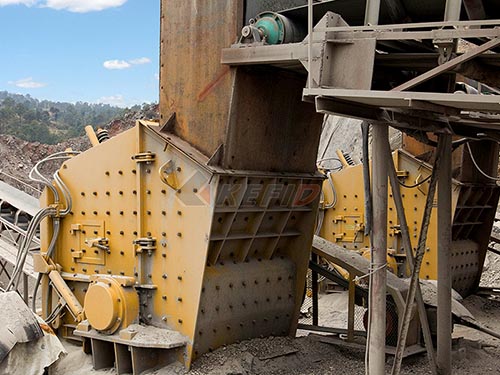

Al por mayor 500 Planta de lavado de minería de oro TPH: HighCapacity Alluvial Processing Solutions
The Operational Challenge: When Your Feed Rate Outpaces Your Plant Capacity
Every hour your gold recovery circuit operates below 500 toneladas por hora (TPH), you are leaving recoverable gold in the tailings. For a midtier alluvial operation processing 4,000 toneladas por día, a 10% efficiency loss translates to approximately 14–18 ounces of unrecovered gold per week—at current market rates, that is a recurring cost of $35,000 a $45,000 en ingresos perdidos, every single week.
Plant managers in the alluvial gold sector face a specific set of constraints that directly impact profitability:
- Variabilidad de la alimentación: Claybound material, oversized cobbles, and highmoisture content can reduce effective throughput by 20–30% if the washing circuit lacks sufficient scrubbing energy and screening area.
- Gestión del agua: Inefficient water recirculation systems increase makeup water demand by up to 40%, raising operational costs and complicating environmental compliance in waterconstrained regions.
- Downtime accumulation: A washing plant that requires 4–6 hours of weekly maintenance for screen changes, servicio de bomba, and chute cleaning loses 2–3% of annual operating time—a direct hit to your production budget.
- Mobilization complexity: For contractors moving between sites, a plant that requires 15+ truckloads and 10 days for assembly extends nonrevenue periods significantly.
- Alluvial gold deposits with clay content up to 35%
- Feed material with particle size up to 600 milímetros
- Operations at altitudes up to 4,000 metro (with derating above 3,000 metro)
- Ambient temperatures from −10°C to +45°C
- No diseñado para hardrock (primario) gold ore—requires feed precrushing to −150 mm
- Recovery efficiency for fine gold (−75 µm) is limited to 40–55% in sluice configuration; centrifugal concentrators improve this to 70–80%
- Necesitas lo menos 450 m³/hr water supply at 60 m head for optimal operation
- Paquete de telemetría remota: Satellitebased monitoring with monthly performance reports – $45,000
- Additional sluice modules: Increase recovery area by 50% – $85,000 por módulo
- Heavyduty feed hopper: 40 m³ capacity with twin hydraulic rams – $120,000
- Dieseldriven hydraulic power packs: For operations without grid power – $95,000
- Coldclimate package: Enclosed operator cabin, heated lubrication systems, lowtemperature hydraulic oil – $65,000
- Arrendamiento operativo: 36–Plazos de 60 meses, pagos mensuales de $52,000 (based on $2.4M equipment value)
- Préstamo de equipo: 20–30% down payment, 5término del año, fixed or floating rates
- ProductionLinked Payment: Monthly payment calculated as percentage of gold recovered (minimum guaranteed payment applies)
- SaleandLeaseback: For operations with existing equipment looking to upgrade
- Sluiceonly configuration: 85–92% for gold coarser than 150 µm
- Compuerta + concentradores centrífugos: 92–96% for gold coarser than 75 µm
- oro fino (−75 µm): 40–55% in sluices, 70–80% with concentrators
- Compacted hardstand (300 mm compacted fill or existing competent ground)
- Concrete pads for settling tanks and genset (opcional, depending on soil conditions)
- Water supply line (mínimo 200 mm de diámetro) to the plant feed point
- Tailings containment area with sufficient capacity for 4,000–5,000 m³/day of tailings
- Engineering and documentation: 2 semanas
- Fabrication and assembly: 10–12 semanas
- Factory acceptance testing (GORDO): 1 semana
- Disassembly and containerization: 1–2 weeks
- Envío (Puerto FOB): 1–2 weeks to major ports
- 2week onsite commissioning with 2 senior technicians
- Formación de operadores: 5 days covering plant operation, procedimientos de seguridad, y mantenimiento de rutina
- Maintenance training: 3 days covering wear parts
Does your current washing plant deliver consistent 500 TPH throughput on abrasive, clayladen feed? Can your operation maintain recovery efficiency while processing material with 30%+ contenido de arcilla? Is your plant design optimized for rapid relocation and minimal civil works?
Descripción general del producto: El 500 TPH Alluvial Gold Washing Plant
Este equipo es un modular, highcapacity rotary trommel washing plant engineered specifically for alluvial gold recovery at a nominal feed rate of 500 TPH. The system integrates feed hopper, hydraulicdriven rotary scrubber, criba vibratoria multiplataforma, and integrated sluice or centrifugal concentrator recovery circuit into a single, transportable processing train.
Flujo de trabajo operativo
1. Carga de alimento: A heavyduty grizzly feed hopper (with hydraulic tipping grid) accepts direct loading from 50ton haul trucks. El 25 m³ hopper capacity absorbs loader surge, maintaining steady feed to the scrubber.
2. Lavado Primario & Depuración: Material enters a 2.4 m diameter × 7.5 m long rotary scrubber with 18 mm AR400 steel liners. Highenergy tumbling action (12–14 RPM) breaks down clay agglomerates and liberates gold particles from gangue material.
3. Cribado & Clasificación: Discharge from the scrubber passes over a doubledeck vibrating screen (2.4 m × 6.0 metro). Demasiado grande (+50 milímetros) reports to a radial stacker; intermediate fraction (−50 mm + 6 milímetros) is rejected or routed to secondary processing; tamaño insuficiente (−6 mm) feeds the recovery circuit.
4. Recuperación del oro: The −6 mm fraction is distributed across a 2stage sluice run (12 m total length) with expanded metal and miners moss, or alternatively directed to a bank of 6 × 20inch Knelsontype centrifugal concentrators for highergrade feed applications.
5. Gestión de relaves: Tailings from the recovery circuit are dewatered via a cyclone cluster and discharged to a lined tailings dam or drystack system, with process water returned to the plant's 1,200 m³/hr recirculation system.
Ámbito de aplicación
This plant is suitable for:
Limitaciones

Características principales
HighEnergy Rotary Scrubber | Base técnica: Countercurrent material flow with 12–14 RPM drum rotation creates interparticle attrition | Beneficio operativo: Breaks down clay balls and coatings in 2–4 minutes retention time, ensuring complete liberation of gold particles before screening | Impacto del retorno de la inversión: Eliminates the need for separate preconditioning drums, reducing capital cost by 15–20% versus twostage systems
Modular Transportable Design | Base técnica: All components mounted on 3 × 40ft flatrack containers with quickconnect piping and electrical harnesses | Beneficio operativo: Plant can be relocated and recommissioned in 5–7 days with a 25ton crane and 4person crew | Impacto del retorno de la inversión: Reduces mobilization costs by approximately $180,000–$250,000 per site move compared to stickbuilt plants
AR400 AbrasionResistant Wear Package | Base técnica: 18 mm AR400 steel in scrubber shell, 12 mm in screen feed box, y 10 mm in all transfer chutes | Beneficio operativo: Service life of 12,000–15,000 operating hours before liner replacement, even on quartzrich feed | Impacto del retorno de la inversión: Reduces annual wear parts expenditure by 30–40% versus mild steel construction
DualCircuit Recovery Flexibility | Base técnica: Sluice runs and centrifugal concentrators are installed on independent frames with dedicated feed and discharge points | Beneficio operativo: Operators can switch between sluiceonly (alto rendimiento, lower grade feed) and concentratorassisted (lower throughput, higher grade feed) without plant shutdown | Impacto del retorno de la inversión: Optimizes recovery efficiency across varying feed grades, improving overall gold capture by 5–8% in heterogeneous deposits
ClosedLoop Water Recirculation | Base técnica: 1,200 m³/hr settling tank array with cyclone dewatering and 4 × 8/6 F rubberlined slurry pumps | Beneficio operativo: Recupera entre el 85% y el 90% del agua de proceso., reducing makeup water demand to 120–180 m³/hr | Impacto del retorno de la inversión: Lowers water procurement and treatment costs by up to $4,500 per month in waterscarce regions
Hydraulic VariableSpeed Drives | Base técnica: Independent hydraulic motors on scrubber and screen with electronic speed control (±5% accuracy) | Beneficio operativo: Operators adjust drum speed from 8–14 RPM to match feed conditions, optimizing retention time for varying clay content | Impacto del retorno de la inversión: Improves washing efficiency by 10–15% on highclay feed, reducing gold loss to oversize rejection
Integrated PLC Control with Remote Monitoring | Base técnica: Siemens S71200 PLC with HMI touchscreen and optional satellite telemetry | Beneficio operativo: Realtime monitoring of feed rate, consumo de energía, temperaturas de los rodamientos, and recovery circuit performance from a central control room or remote location | Impacto del retorno de la inversión: Reduces operator requirements by 1 person per shift and enables predictive maintenance, cutting unplanned downtime by 20–25%
Ventajas competitivas
| Métrica de rendimiento | Estándar de la industria (400–500 TPH Class) | 500 Solución de planta de lavado TPH | Ventaja |
|||||
| Effective throughput on 30% alimentación de arcilla | 320–380 TPH | 450–500 TPH | 18–32% higher |
| Water consumption per ton processed | 3.5–4.5 m³/ton | 2.4–3.0 m³/ton | 25–33% lower |
| Gold recovery efficiency (−6 mm fraction) | 85–90% (sluice) | 92–96% (sluice + concentrador) | 5–8% higher |
| Screen media changeout time | 8–12 hours | 4–6 horas (quickrelease tensioning) | 40–50% faster |
| Mobilization truckloads | 12–18 loads | 9–11 loads | 25–40% fewer |
| tiempo de puesta en servicio (in situ) | 10–14 días | 5–7 days | 40–50% faster |
| Wear parts cost per ton processed | $0.08–$0.12/ton | $0.05–$0.07/ton | 30–40% lower |
| Disponibilidad (horas de funcionamiento / calendar hours) | 85–90% | 92–95% | 5–8% higher |
Especificaciones técnicas
| Parámetro | Especificación |
|||
| Nominal Feed Rate | 500 TPH (máximo 550 TPH on freedigging material) |
| Tamaño superior del alimento | 600 milímetros (con oso pardo) |
| Dimensiones del depurador | 2.4 m diameter × 7.5 m length |
| Scrubber Speed | 8–14 RPM (hydraulic variable) |
| Scrubber Drive Power | 2 × 75 kW hydraulic power packs |
| Tipo de pantalla | Doubledeck horizontal vibrating screen, 2.4 m × 6.0 metro |
| Screen Deck Openings | Cubierta superior: 50 milímetros; Bottom deck: 6 milímetros (paneles de poliuretano) |
| Screen Drive | 2 × 22 motores vibradores kW, 750–900 RPM |
| Recovery Circuit | 12 m sluice run (2 × 6 m modules) O 6 × 20inch centrifugal concentrators |
| Sluice Width | 1.5 m per module |
| Requerimiento de agua | 450–550 m³/hr at 60 m head |
| Water Recirculation Rate | 1,200 m³/h (settling tank capacity) |
| Potencia instalada | 320 kilovatios (excluding feed conveyor and stackers) |
| Generator Requirement | 500 kVA minimum |
| Dimensiones de la planta (L × W × H) | 38 m × 12 m × 8 metro (operante) |
| Dimensiones de transporte | 3 × 40ft flatrack containers + 2 × 20ft containers |
| Total Transport Weight | 185,000 kilos (aprox.) |
| Rango de temperatura de funcionamiento | −10°C to +45°C |
| Max Operating Altitude | 4,000 metro (reducir 3% por 500 m arriba 3,000 metro) |
| Nivel de ruido (en 10 metro) | ≤ 85 dB(A) |
| Material estructural | Acero estructural S355JR, galvanizado en caliente |
| Material del revestimiento de desgaste | AR400 (18 mm scrubber, 12 mm screen feed, 10 mm chutes) |
Escenarios de aplicación
LargeScale Alluvial Mining Operation – West Africa
| Desafío | Solución | Resultados |
||||
| Deposit contained 25–35% plastic clay that plugged conventional screens every 2–3 hours, reduciendo el rendimiento efectivo a 280 TPH. Manual cleaning required 6 workers per shift. | Implementado el 500 TPH washing plant with highenergy scrubber and polyurethane screen panels. Adjusted drum speed to 13 RPM and increased water flow to 500 m³/h. | Throughput stabilized at 480–510 TPH. Screen plugging reduced to once per 12hour shift. La recuperación del oro aumentó de 82% a 93% (confirmed by monthly reconciliations). período de recuperación: 7 meses. |
Contract Mining Operation – Central Asia (Altura)
| Desafío | Solución | Resultados |
||||
| Site at 3,200 m altitude with short 5month operating season. Previous plant required 18 days for relocation between two pits 40 km apart, consumidor 25% of the season. | Utilized the modular containerized design. Preassembled all piping and electrical connections at the workshop. Mobilized with 11 truckloads and a 25ton crane. | Relocation completed in 6 days including recommissioning. Operating season extended by 12 días. Adicional 6,000 tons processed per season, generating incremental revenue of $240,000. |
River Terrace Deposit – South America
| Desafío | Solución | Resultados |
||||
| Material de alimentación contenido 15% +50 mm oversize with high abrasivity (85% cuarzo). Standard screen media lasted only 300 horas. Water supply limited to 400 m³/hr from river. | Specified the AR400 wear package and polyurethane screen panels (expected life 2,000+ horas). Activated the closedloop water recirculation system with cyclone dewatering. | Screen media life extended to 1,800 horas. Water makeup demand reduced to 100 m³/h. Disponibilidad de planta alcanzada 94% over a 6month operating campaign. Operating cost per ton reduced by 22% versus previous equipment. |
Consideraciones comerciales
Niveles de precios de equipos
| Configuración | Descripción | Indicative Price Range (ENGAÑAR) |
||||
| Paquete básico | Scrubber, pantalla, sluice recovery, transportadores, control system | $1,850,000 – $2,200,000 |
| Paquete mejorado | Base + concentradores centrífugos (6 unidades), cyclone dewatering, enhanced PLC | $2,400,000 – $2,800,000 |
| Paquete llave en mano | Mejorado + feed hopper with hydraulic grizzly, all stackers, settling tanks, 500 kVA genset, 12month wear parts kit | $3,100,000 – $3,600,000 |
Características opcionales
Paquetes de servicios
| Paquete | Alcance | Costo Anual |
||||
| Mantenimiento preventivo | 2 scheduled site visits/year, diagnóstico remoto, wear parts inspection | $48,000 |
| Mantenimiento completo | 4 visitas al sitio/año, all wear parts supplied, 48respuesta de emergencia en horas | $185,000 |
| Garantía de rendimiento | Plant availability ≥92%, throughput ≥480 TPH on specified feed, recovery ≥90% | $220,000 (includes penalties/credits) |
Opciones de financiación
Preguntas frecuentes
1. What is the minimum feed grade required for economic operation of this 500 Planta TPH?
Based on current operating cost benchmarks ($3.50–$4.50 per ton processed including depreciation, combustible, mano de obra, y piezas de desgaste), a feed grade of 0.15–0.20 g/m³ is the practical economic threshold at current gold prices. En 0.15 gramos/m³, daily production is approximately 60–75 grams (2–2.4 oz) per 12hour shift. Operations with feed grades below 0.10 g/m³ should consider highercapacity equipment to achieve economies of scale.
2. How does the plant perform on feed with high clay content (arriba 35%)?
The rotary scrubber is designed for clay content up to 35% at full rated throughput. Above this level, we recommend reducing feed rate to 400–450 TPH and increasing drum speed to 14 RPM. For deposits with clay content exceeding 45%, a preconditioning drum or highpressure water cannons at the feed hopper may be required. Field data from West African operations shows 92% availability maintained on 30–35% clay feed over 6month campaigns.
3. What is the expected gold recovery rate, and how is it verified?
Recovery efficiency depends on feed particle size distribution and gold liberation:
Recovery is verified through monthly reconciliation comparing feed grade (from drilling and sampling) against gold production, with adjustments for incircuit inventory. We provide a sampling protocol and calculation methodology with the plant documentation.
4. What are the site preparation requirements before plant delivery?
The plant requires a level area of approximately 60 m × 40 metro (including settling ponds). Civil works include:
Site preparation typically takes 5–7 days with a dozer and compactor. The plant itself requires a 25ton crane for assembly.
5. What is the lead time for manufacturing and delivery?
Standard manufacturing lead time is 16–20 weeks from order confirmation, depending on current production schedule. Esto incluye:
Entrega acelerada (12–14 semanas) is possible with a 10% recargo, subject to production slot availability.
6. How does the plant handle oversize material (+50 milímetros)?
Oversize material is rejected by the top screen deck and discharged via a radial stacker to a separate stockpile. This material typically represents 10–20% of feed volume and is either rehandled for further processing (if it contains goldbearing material) or used for road construction and backfill. For deposits where oversize carries significant gold values, an optional secondary scrubber and screen module can be added to process this fraction.
7. What training and ongoing support do you provide for operator teams?
El paquete estándar incluye: