
Trituración de roca muy dura con una vertical roca a roca
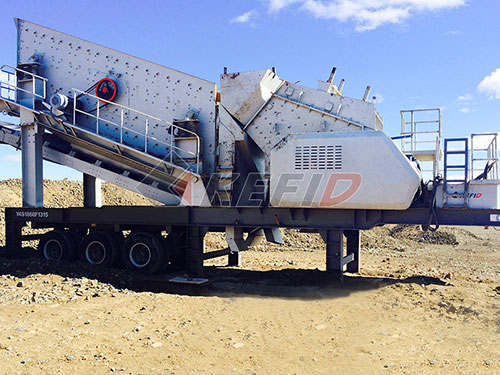

The Silent Revolution: Vertical Shaft Impactors Mastering the Art of Very Hard Rock Crushing
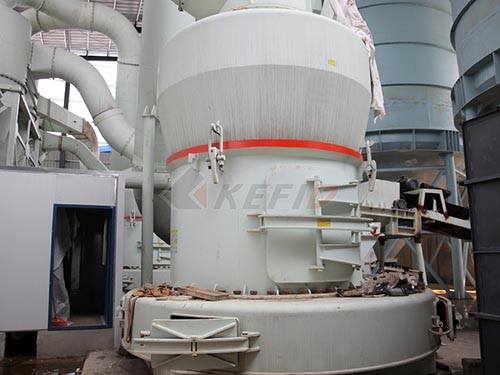
The relentless demand for high-quality aggregates, especially those derived from very hard rock formations like granite, basalto, cuarcita, and trap rock, presents a persistent challenge for the mining and aggregate industries. Traditional crushing methods often buckle under the immense pressure and abrasive nature of these materials, leading to exorbitant wear costs, frequent downtime, and compromised product shape. Durante décadas, the solution seemed confined to brute force – massive jaw crushers for primary reduction followed by power-hungry cone crushers applying intense compressive forces in secondary and tertiary stages. While effective to a degree, this approach carries significant drawbacks: high energy consumption per ton, substantial wear part replacement costs (especially mantles and concaves), and the inherent tendency to produce flaky or elongated particles detrimental to premium concrete mixes and asphalt performance.
Sin embargo, a quiet revolution has been reshaping the landscape of hard rock processing over the past few decades: Impacto de eje vertical (TODOS) crushers employing a true "roca sobre roca" o "rock-to-rock" crushing principle. This technology represents a paradigm shift from compression crushing to dynamic impact fragmentation using the material itself as the primary wear medium. Its mastery over very hard rocks is not merely incremental; it’s transformative in terms of efficiency, cost-per-ton economics, and product quality.
The Physics of Destruction: How True Rock-on-Rock Works
En su esencia, a VSI crusher features a high-speed rotor spinning vertically within a crushing chamber. Material is fed into the center (or top) of the rotor. The critical distinction lies in what happens next:
1. Aceleración & Expulsión: Rotor tips (impeller shoes or tables) accelerate incoming feed rock centrifugally outwards at tremendous velocities – often exceeding 70 meters per second (250+ kilómetros por hora). This imparts immense kinetic energy.
2. The Crucial Anvil Ring / Rock Shelf: Unlike earlier impact crushers relying heavily on metal anvils or aprons for direct impact, true rock-on-rock VSIs feature either:
A solid metal anvil ring encircling the rotor at a precisely calculated distance.
A deep crushing chamber designed to hold a permanent bed or "shelf" of previously crushed rock material.
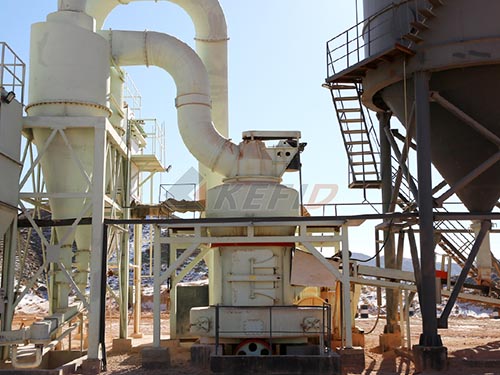
3. Kinetic Energy Transfer & Inter-Particle Comminution: The high-velocity stream of ejected rocks collides head-on with:
The static anvil