
La planta trituradora más grande del mundo en funcionamiento.

Engineering Giants in Motion: Inside the World's Largest Crushing Plants
La incesante demanda de materias primas: áridos para la construcción, ore for metals processing – drives the continuous evolution of industrial machinery. At the forefront of this evolution stand colossal crushing plants, engineering marvels designed to process mountains of rock into valuable commodities at unprecedented scales. Understanding how these behemoths operate reveals a fascinating intersection of brute force physics and sophisticated technology.
Why Go So Big? The Imperative of Scale
The sheer size of modern mines and quarries necessitates equally massive processing capabilities. Transporting vast quantities of unprocessed material over long distances is prohibitively expensive and environmentally taxing due to fuel consumption and emissions. Large crushing plants located directly at the extraction site solve this problem:
1. Massive Throughput: The largest plants can process over 14,000 tonnes per hour – enough rock to fill several Olympic-sized swimming pools every hour.
2. Economías de escala: Processing material onsite drastically reduces haulage distances for trucks or conveyors, significantly lowering operational costs per tonne.
3. Optimized Logistics: Integrating primary crushing early in the material flow streamlines downstream processing and stockpiling.
4. Reduced Footprint: Paradoxically, one mega-plant can sometimes be more efficient land-wise than multiple smaller installations spread out.
Anatomía de un gigante: Core Components Working in Concert
A truly world-class crushing facility is more than just one enormous crusher; it's a meticulously orchestrated system:
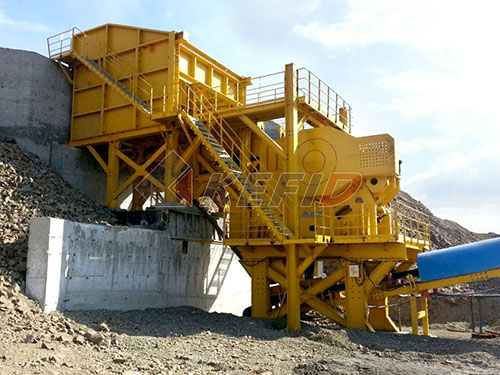
1. The Primary Crusher - The First Bite: Often a massive gyratory crusher or high-capacity jaw crusher positioned directly at the mine pit rim or quarry face. These machines accept truckloads or direct feed from shovels handling rocks sometimes exceeding 1 metro de diámetro.
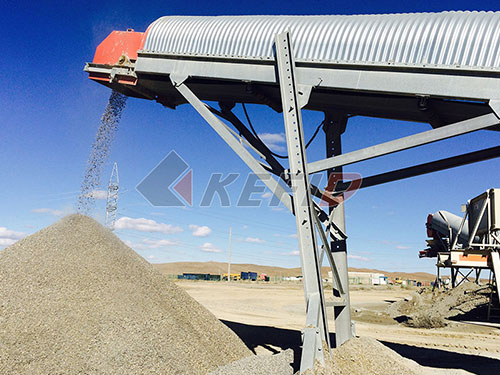
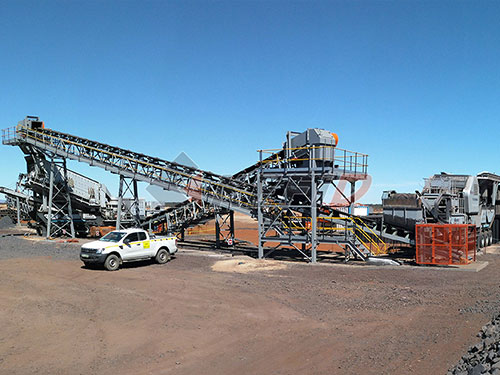
2. Manejo de materiales - Rivers of Rock: Miles of heavy-duty conveyor belts form the arteries and veins of the plant. Designed for extreme durability and minimal spillage under immense loads, they transport material between stages efficiently.
3. Cribado - Sorting the Flow: Vibrating screens act as critical sorting stations before secondary and tertiary crushing stages and before final product stockpiling. They separate material by size, sending oversized chunks back for further reduction and directing correctly sized fractions onward.
4. Secundario & Trituración Terciaria - Refinar el producto: Cone crushers or impact crushers take over after primary crushing to further reduce rock size into specific gradations required by customers (p.ej