
trituradora de piedra attok
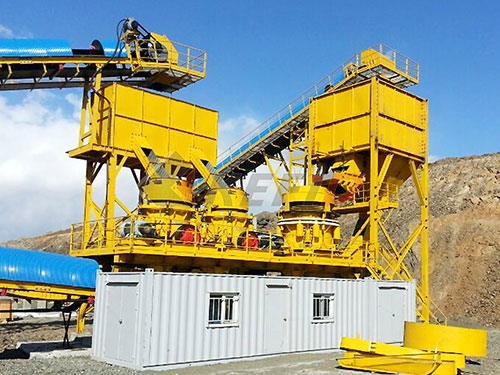

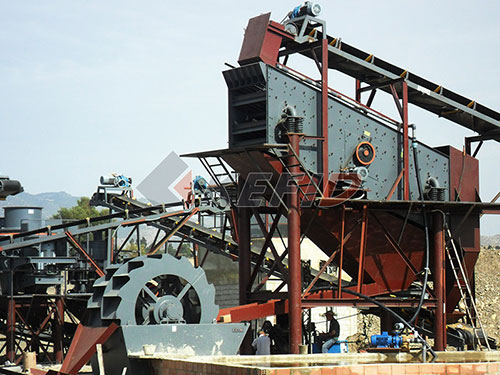
Stone Crushing in Attock: The Engine of Growth and Its Heavy Toll
Nestled along the mighty Indus River in Punjab, Pakistan, Attock district presents a landscape shaped by history and geology. Its rugged hills hold a valuable resource: vast deposits of hard rock essential for modern development. This resource fuels a ubiquitous industry – stone crushing – an economic engine driving local livelihoods but casting a long shadow over the environment and community health.
The Economic Bedrock:
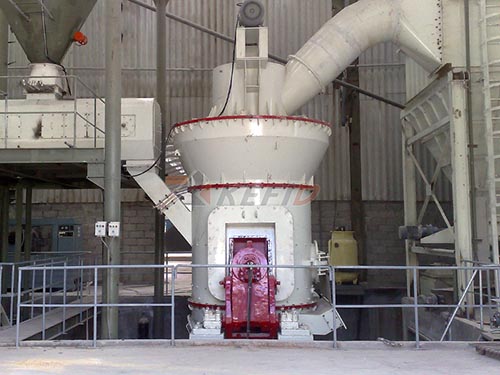
Stone crushing plants dotting the countryside near cities like Hazro and Hassanabdal are far more than noisy machines; they are vital cogs in Pakistan's infrastructure machine.
Columna vertebral de la construcción: The primary output – aggregates (piedra triturada), grava, and sand – forms the literal foundation of roads, puentes, edificios, represas (like Tarbela nearby), and housing projects fueling Pakistan's urbanization boom.
Employment Hub: This labor-intensive sector provides direct employment for thousands, from skilled plant operators and mechanics to unskilled laborers involved in loading, unloading, and basic operations.
Local Economy Driver: Beyond direct jobs, it stimulates ancillary businesses – transportation (trucks dominate local roads), machinery repair shops, proveedores de combustible, explosives suppliers (for quarrying), and local vendors catering to workers.
The Crushing Reality: Degradación ambiental:
The economic benefits come at a steep environmental cost:
Air Pollution - Rivers of Dust: The most visible impact is pervasive dust pollution generated during blasting at quarries (often unregulated), crushing operations itself (especially without proper enclosures or water suppression systems), loading/unloading piles of raw material or finished product (often stored openly), and transportation on unpaved access roads or uncovered trucks.
Particulate Matter (P.M): Fine particulate matter (PM2.5 and PM10) laden with crystalline silica becomes airborne constantly.
Respiratory Hazard: Silica dust exposure is directly linked to silicosis ("stone-cutter's disease"), chronic bronchitis (COPD), asthma exacerbation among residents living downwind.
Reduced Visibility & Soot: Dust clouds significantly reduce visibility on nearby roads and coat vegetation/homes/buildings with layers of fine grit.
Contaminación acústica - A Constant Roar: The relentless grinding of crushers combined with generator noise creates constant high-decibel noise pollution affecting nearby villages 24/7.
Cicatrices del paisaje & Water Concerns: Quarrying leaves behind deep scars on hillsides permanently