
Slag Crusher Plant Distributor Quote
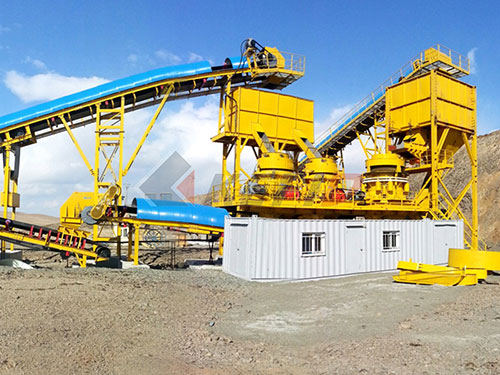

Slag Crusher Plant Distributor Quote: Complete Buyer's Guide for Commercial Procurement
Los costos ocultos del procesamiento ineficiente de escoria
Cada año, steel mills and foundries lose an estimated 37% of potential revenue through suboptimal slag handling. Your current setup may be silently eroding margins through:
- Tiempo de inactividad excesivo: Unplanned maintenance on slag crushing equipment averages 1218 horas por mes, costear $8,000$15,000 por incidente en pérdida de producción y mano de obra de reparación
- Fragmented vendor management: Coordinating separate suppliers for crushers, separadores magnéticos, and conveyors adds 1520% to total procurement costs
- Inconsistent output quality: Slag aggregate with improper gradation fails specification tests, forcing rework or discounted sales at 1025% below market rates
- Brechas en el cumplimiento de la seguridad: Manual slag handling increases workplace injury risk by 40% compared to automated systems, raising insurance premiums and regulatory exposure
- Ineficiencia energética: Older slag processing lines consume 2535% more power per ton than modern configurations
- Potencia del motor instalada: 250400 kilovatios (estándar), 500800 kilovatios (alta capacidad)
- Opciones de voltaje: 380V/50Hz, 415V/50Hz, 480V/60Hz, 6.6kV/50Hz
- Consumo de energía específico: 1.82.4 kWh per ton of processed slag
- Crusher Housing: Q345B structural steel with 2030mm thickness
- Componentes de desgaste: Hierro fundido con alto contenido de cromo. (HC260) or bimetallic composite
- Cintas transportadoras: EP630/4 ply with 8mm top cover and 3mm bottom cover
- Separadores magnéticos: Neodymium N45 grade magnets with stainless steel housing
- Huella: 35m × 25m × 12m (Largo × ancho × alto)
- Peso Total: 85120 montones (solo equipo)
- Longitud del transportador: 80150 meters total across all transfer points
- Temperatura ambiente: 10°C a +50°C (estándar), 30°C a +50°C (cold climate option)
- Humedad: Arriba a 95% sin condensación
- Altitud: Arriba a 2,000 meters without derating
- Exposición al polvo: IP54 protection rating on all electrical enclosures
- Advanced PLC with Remote Monitoring: $25,000$45,000
- Enhanced Dust Collection (Baghouse): $60,000$120,000
- Water Treatment and Recycling System: $40,000$80,000
- Paquete de clima frío (Heaters, Insulation): $35,000$55,000
- Garantía extendida (5 años vs.. estándar 2 años): 35% del costo del equipo
- Paquete estándar: 2año de garantía, entrenamiento del operador (5 días), kit de repuestos (5% of order value)
- Paquete prémium: 5año de garantía, visitas trimestrales de mantenimiento preventivo, garantizado 90% tiempo de actividad, parts inventory management
- Performance Contract: Vendor guarantees throughput and product quality metrics, with penalties/rewards tied to actual performance
- Arrendamiento de Equipos: 37 year terms with monthly payments starting at 1.52.5% del valor del equipo
- Pago Diferido: 30% depósito, 40% en la entrega, 30% después de la puesta en servicio
- Financiamiento basado en el desempeño: Payments tied to achieved throughput or metal recovery rates
- Government Subsidies: Muchas jurisdicciones ofrecen 1030% grants for waste processing and recycling equipment
Are you confident your current slag processing line delivers optimal recovery rates? Can you quantify your cost per ton of finished slag aggregate? If these numbers are unclear, this guide provides the technical framework for evaluating slag crusher plant solutions and securing accurate distributor quotes.
Descripción general del producto: Integrated Slag Crushing and Screening Systems
A slag crusher plant is a complete processing system designed to reduce molten slag byproducts into reusable construction aggregates, metal scrap, and cementitious materials. The typical plant configuration processes aircooled blast furnace slag, robar golpe, or granulated slag through a multistage crushing and separation workflow.
Flujo de trabajo operativo
1. Trituración Primaria: Large slag blocks (hasta 600 mm) enter a jaw crusher or impact crusher, reducing material to 100150mm while liberating embedded metallic particles
2. Separación magnética: Overband magnetic separators extract ferrous metals (típicamente 515% of feed weight) for resale to steel recyclers
3. Trituración Secundaria: Cone crushers or vertical shaft impactors reduce material to 2040mm, optimizing particle shape for construction applications
4. Detección y clasificación: Vibrating screens sort material into graded fractions (05milímetros, 510milímetros, 1020milímetros, 2040milímetros) meeting local aggregate specifications
5. Recuperación final de metales: Secondary magnetic separation and eddy current systems capture remaining nonferrous metals before stockpiling
Ámbito de aplicación

Adecuado para: Steel manufacturing facilities, productores de ferroaleaciones, fundiciones de cobre, construction aggregate suppliers, plantas de cemento, and waste processing operations processing 50500 toneladas por hora.
Limitaciones: Not designed for wet slag (humedad arriba 15% requires predrying), radioactive materials, or slag with high chloride content that may cause corrosion issues in standard carbon steel components.
Core Features of Modern Slag Crusher Plants
Diseño de rotor de servicio pesado | Base técnica: aleación de alto cromo (HC260) or ceramic composite hammers with 2540mm thickness | Beneficio operativo: Extended wear life of 6,0008,000 operating hours between hammer changes, reducing maintenance frequency by 50% | Impacto del retorno de la inversión: Ahorro anual en mantenimiento de $45,000$80,000 por unidad trituradora
Sistema de separación magnética integrado | Base técnica: Imanes de neodimio de tierras raras con 12,00015,000 gauss field strength positioned at multiple conveyor transfer points | Beneficio operativo: Metal recovery rates of 9598% from slag feed, producing clean aggregate and highvalue scrap metal | Impacto del retorno de la inversión: Metal resale revenue of $15$40 per ton of recovered ferrous material, potentially adding $500,000+ anualmente por un 200 Planta TPH
Hydraulic Adjustment Mechanism | Base técnica: Hydraulic cylinders with 250bar operating pressure for gap adjustment without manual intervention | Beneficio operativo: Gap changes completed in 35 minutos versus 4560 minutes for manual systems, enabling rapid response to feed variations | Impacto del retorno de la inversión: Increased uptime of 23%, traduciendo a 150200 additional operating hours per year
Sistema de supresión de polvo | Base técnica: Highpressure water misting (5070 bar) with strategically placed nozzles at crusher inlets and transfer points | Beneficio operativo: Airborne particulate reduction of 8590%, meeting EPA and local environmental compliance standards | Impacto del retorno de la inversión: Avoidance of $25,000$100,000 in annual environmental fines and reduced worker respiratory protection costs
PLCBased Automation Control | Base técnica: Programmable logic controller with touchscreen interface monitoring crusher load, temperatura del rodamiento, vibración, and conveyor status | Beneficio operativo: Realtime operational visibility and automatic shutdown on abnormal parameters, reducing catastrophic failure risk by 70% | Impacto del retorno de la inversión: Prevention of $100,000$250,000 in major component replacement costs
Construcción de marco modular | Base técnica: Preengineered structural steel modules with bolted connections, sized for standard container transport | Beneficio operativo: Instalación del sitio completada en 23 semanas versus 68 semanas para cimientos de hormigón tradicionales | Impacto del retorno de la inversión: Installation labor savings of $30,000$60,000 and faster timetoproduction
Unidad de frecuencia variable (VFD) Transportadores | Base técnica: VFDcontrolled conveyor motors adjusting belt speed based on feed rate sensors | Beneficio operativo: Energy consumption reduced 2030% during partial load conditions, extending component life through reduced mechanical stress | Impacto del retorno de la inversión: Ahorro anual de energía de $18,000$35,000 por un 200 TPH plant operating 6,000 horas por año
Ventajas competitivas: Comparación de rendimiento
| Métrica de rendimiento | Estándar de la industria | Modern Slag Crusher Plant | Ventaja |
|||||
| Tasa de recuperación de metales | 7585% | 9598% | +1223% higher scrap revenue |
| Vida útil de la pieza de desgaste | 3,0004,500 horas | 6,0008,000 horas | +3378% intervalos de servicio más largos |
| Consumo de energía por tonelada | 2.53.5 kWh/tonelada | 1.82.4 kWh/tonelada | 2031% uso de energía |
| Tiempo de cambio (tamaño del producto) | 4560 minutos | 35 minutos | 9094% ajustes más rápidos |
| Tiempo de inactividad no programado | 812% de tiempo de funcionamiento | 35% de tiempo de funcionamiento | 5063% reducción |
| Final Product Fines Content | 1525% | 812% | 4052% fewer unusable fines |
| Cronograma de instalación | 68 semanas | 23 semanas | 6065% puesta en servicio más rápida |
Especificaciones técnicas
Calificaciones de capacidad y rendimiento
| Parámetro | Configuración estándar | Configuración de alta capacidad |
||||
| Capacidad de alimentación | 50150 TPH | 200500 TPH |
| Tamaño máximo de alimentación | 400600 milímetros | 600800 milímetros |
| Gama de productos finales | 040 milímetros (ajustable) | 063 milímetros (ajustable) |
| Relación de reducción | 4:1 a 6:1 | 5:1 a 8:1 |
Requisitos de energía
Especificaciones de materiales
Dimensiones físicas (200 TPH Reference Plant)
Rango de operación ambiental
Escenarios de aplicación y resultados documentados
Procesamiento integrado de escoria de acería | Desafío: A 2.5 million ton/year steel mill generated 450,000 tons of slag annually, con 12% metal content being lost to landfill due to inefficient recovery | Solución: Instalación de un 250 TPH slag crusher plant with dualstage magnetic separation and screening system | Resultados: La recuperación de metales aumentó de 38,000 a 52,000 toneladas anuales, generando $2.1 million in additional scrap revenue; aggregate sales added $1.8 millón; payback period achieved in 14 meses
Productor de agregados para la construcción | Desafío: An aggregate supplier faced 30% rejection rates on slagbased products due to inconsistent particle shape and excessive fines content | Solución: Upgraded to a slag crusher plant with vertical shaft impactor (TODOS) for cubical particle shaping and advanced screening | Resultados: Product rejection rate reduced to 8%; achieved premium pricing of $4.50/ton for certified slag aggregate; secured threeyear supply contracts with regional concrete producers
Copper Smelter Waste Processing | Desafío: A copper smelter accumulated 180,000 toneladas de escoria que contienen 1.8% recoverable copper, with environmental pressure to reduce waste volumes | Solución: Implementado un 100 TPH slag processing line with specialized impact crusher and eddy current separator for nonferrous recovery | Resultados: Recuperado 3,200 tons of copper concentrate annually worth $2.4 millón; waste volume reduced by 65%; achieved zerolandfill status within 18 meses
Commercial Considerations for Slag Crusher Plant Procurement
Niveles de precios de equipos
| Configuración | Rango de capacidad | Gama de precios (Dólar estadounidense) | Plazo de entrega típico |
|||||
| Nivel de entrada (Móvil) | 50100 TPH | $350,000$550,000 | 812 semanas |
| Rango medio (Semimóvil) | 100250 TPH | $650,000$1,200,000 | 1216 semanas |
| Alta capacidad (Estacionario) | 250500 TPH | $1,500,000$3,500,000 | 1624 semanas |
Características opcionales y precios
Paquetes de servicios
Opciones de financiación
Preguntas frecuentes
Q1: What is the typical payback period for a slag crusher plant investment?
Based on current market data, Los períodos de recuperación varían desde 1230 months depending on slag metal content, local aggregate prices, and processing volumes. A 200 TPH plant processing slag with 8% metal content typically achieves payback in 1824 months when factoring metal resale revenue, ventas agregadas, and landfill avoidance costs.
Q2: Can existing slag processing equipment be upgraded rather than replaced?
Sí. Many components—magnetic separators, pantallas, conveyors—can be retrofitted to existing plants. Sin embargo, if the primary crusher is over 10 años, replacement typically offers better ROI due to improved energy efficiency and wear life. A professional site assessment can determine the optimal upgrade path.
Q3: What are the minimum space requirements for a slag crusher plant?
A 100 TPH plant requires approximately 1,5002,000 square meters including stockpile areas. Highcapacity plants (300+ TPH) necesidad 3,5005,000 metros cuadrados. Mobile configurations reduce space requirements by 3040% but may have higher operating costs per ton.
Q4: How does slag crusher plant performance vary with different slag types?
Aircooled blast furnace slag is easiest to process with standard impact crushers. Steel slag requires more wearresistant components due to higher abrasiveness. Granulated slag can be processed with lower energy input but may require additional drying. Your distributor should provide specific configuration recommendations based on your slag analysis.
Q5: What certifications and compliance standards should the equipment meet?
Look for CE certification for European markets, ISO 9001 quality management, y ISO 14001 environmental management. Para instalaciones norteamericanas, ensure compliance with OSHA safety standards and local environmental regulations. Ask for test certificates for wear components and structural steel.
Q6: What training and ongoing support are included with equipment purchase?

Standard packages include 57 Días de capacitación para operadores y mantenimiento en sitio.. Premium packages add annual refresher training and remote diagnostic support. Verify that your distributor maintains a local spare parts inventory or can guarantee 48hour parts delivery to minimize downtime.
P7: How do I compare quotes from different slag crusher plant distributors?
Request quotes based on total cost of ownership, not just purchase price. Compare: consumo de energía específico (kWh/tonelada), wear part replacement intervals and costs, guaranteed throughput rates, installation and commissioning timelines, and aftersales response times. A slightly higher initial investment often delivers superior longterm economics.
This technical specification guide provides a framework for evaluating slag crusher plant solutions. Field data referenced reflects industry averages from installations across steel, minería, and construction sectors. Your specific operational parameters should be validated through a comprehensive site assessment and material testing before final equipment selection.