
Servicio de diseño de productores de minería de arena y grava
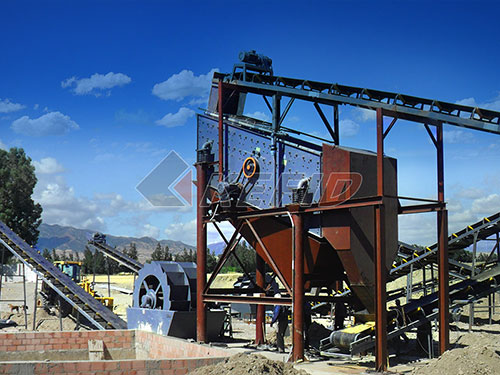

Optimización de arena & Producción de grava: Abordar los principales desafíos operativos
¿Está gestionando material de alimentación inconsistente que altera la eficiencia de toda su planta de lavado?? Luchando contra el alto costo y el tiempo de inactividad asociados con los frecuentes reemplazos del panel de la pantalla? Preocupado por las multas perdidas que se desperdician, impactando directamente su rendimiento recuperable y rentabilidad? Para gerentes de planta y contratistas de ingeniería, Estos no son inconvenientes menores: son barreras importantes para la confiabilidad operativa y la protección de márgenes.. ¿Cómo se puede lograr un producto con especificaciones consistentes mientras se controlan los costos de mantenimiento y se maximiza la recuperación de material de cada tonelada procesada?? La solución está en la etapa crítica de separación: un alto rendimiento tanque clasificador de arena.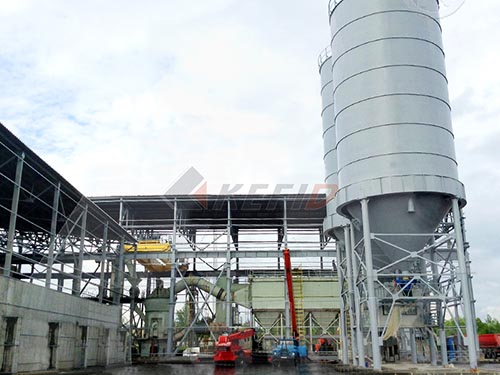
Descripción general del producto: Clasificación hidráulica de precisión para procesamiento de agregados
A tanque clasificador de arena es un sistema de clasificación hidráulica diseñado para separar partículas de arena por tamaño y densidad utilizando un flujo de agua controlado hacia arriba.. Es un componente central en las plantas de lavado y beneficio de arena., Reemplazar o mejorar métodos menos eficientes como ciclones o arandelas de tornillo para la separación fina de materiales..
Flujo de trabajo operativo:
1. Entrada de lodo: Una lechada de arena y agua proveniente de un tamiz de lavado o hidrocalibrador ingresa a la caja de alimentación..
2. Sedimentación controlada: La suspensión fluye a través de una serie de cámaras o celdas.. en cada celda, El flujo ascendente de agua controlado con precisión crea un sistema hidráulico. "balancearse" o lecho fluidizado.
3. Separación basada en tamaño: Las partículas más finas que el punto de corte son arrastradas hacia arriba por la corriente de agua y desbordan el vertedero como producto.. mas pesado, Las partículas más gruesas se depositan contra la corriente y se descargan desde el fondo de cada celda..
4. Desvío de productos: Las válvulas en cada descarga permiten mezclar o desviar diferentes productos de arena. (p.ej., arena de concreto, arena de mampostería) para separar las reservas.
5. Gestión del agua: agua desbordada, llevando limo y arcillas, se envía a un circuito de tratamiento de agua para su clarificación y reutilización.
Ámbito de aplicación & Limitaciones:
Alcance: Ideal para lavado y dimensionamiento preciso de arena natural o finos triturados en el rango de aproximadamente 150 malla (100 micrones) a 3/16" (4.75milímetros). Esencial para producir múltiples productos de arena de inspección a partir de una única fuente de alimentación..
Limitaciones: No es un dispositivo de deshidratación; Los productos requieren una mayor deshidratación mediante ciclones., pantallas, o cribas de deshidratación. Requiere un suministro constante de agua de proceso y no es adecuado para clasificación seca..
Características principales: Diseñado para el control, Eficiencia, y rendimiento
Nuestro tanque clasificador de arena El diseño se basa en décadas de ingeniería de aplicaciones de campo.. Cada característica aborda un punto débil específico en el procesamiento agregado.
Sistema de distribución de agua múltiple | Base técnica: Hidráulica de flujo laminar | Beneficio operativo: Proporciona uniforme, Corriente ascendente no turbulenta en toda el área de la celda para una separación precisa del tamaño.. | Impacto del retorno de la inversión: Mejora la consistencia del producto hasta 15%, reducir las cargas fuera de especificación y maximizar el rendimiento del producto premium.
Revestimientos celulares de poliuretano resistentes al desgaste | Base técnica: Química de elastómeros resistentes a la abrasión | Beneficio operativo: Dura más que los revestimientos de acero en 35 veces en zonas de alto desgaste., eliminando reparaciones frecuentes de soldadura. | Impacto del retorno de la inversión: Reduce el tiempo de inactividad por reemplazo del revestimiento en más de 50% anualmente y reduce los costos de inventario de piezas consumibles.
Válvulas desviadoras tipo diafragma | Base técnica: Diseño de válvula de puerto completo accionada neumáticamente | Beneficio operativo: Proporciona confianza, Control sin obstrucciones de descargas de arena incluso con densidad de alimentación variable.. Los operadores pueden cambiar las mezclas de productos en segundos. | Impacto del retorno de la inversión: Aumenta la flexibilidad de la planta para satisfacer las demandas cambiantes de los pedidos sin detener el proceso., optimizando las oportunidades de ventas.
Densidad integrada & Sensores de nivel | Base técnica: Tecnología de transductores de presión no nucleares | Beneficio operativo: Proporciona datos en tiempo real sobre el nivel del lecho y la densidad dentro de cada celda para la automatización del control de procesos.. Sus operadores pueden mantener condiciones óptimas de balanceo de manera consistente.| Impacto del retorno de la inversión: Automatiza los puntos de control críticos, estabilizar el rendimiento en los cambios de turno y reducir la carga del operador.
Diseño de celda modular | Base técnica: Construcción seccional atornillada| Beneficio operativo: Simplifica el transporte, instalación, y futuras modificaciones de la planta. Se puede realizar mantenimiento a celdas individuales sin desmontar todo el tanque.| Impacto del retorno de la inversión: Reduce el tiempo de instalación hasta en 30% y minimiza los costos de expansión futuros a través de una sencilla capacidad adicional.
Ventajas competitivas: Rendimiento basado en datos
| Métrica de rendimiento | Estándar de la industria (Tanque convencional) | Nuestra solución de tanque de clasificación de arena | Ventaja (% Mejora) |
| : | : | : | : |
| Vida útil del panel de criba en la criba de deshidratación | 46 Semanas (debido a una gradación de alimento inconsistente) | 812 Semanas (estable, alimentación bien clasificada) | +100% Extensión de vida |
| Pérdida de multas por estanque de sedimentación| 812% de menos material de malla 200 | 35% de menos material de malla 200 | Arriba a 60% Reducción de pérdidas |
| Es hora de ajustar la mezcla de productos| Ajustes manuales de válvulas.; 1520 minutos| Control de válvula automatizado; <2 minutos| ~90% de cambio más rápido |
| Tiempo de inactividad anual por mantenimiento del revestimiento| 4060 horas para cortar/soldar acero| <10 horas para inspección/reemplazo de poliuretano| ~80% menos tiempo de inactividad |
| Consumo de agua por tonelada| Varía significativamente con el control manual.| Optimizado & flujo constante a través de controles automatizados| Arriba a 20% Reducción |
Especificaciones técnicas
Rango de capacidad: Modelos disponibles desde 50 TPH por encima 500 Capacidad de alimentación de arena TPH.
Requisitos de energía: El sistema funciona con aire de la planta. (80100 psi) para válvulas; El panel de control opcional requiere servicio estándar de 480 V/3Ph/60 Hz..
Especificaciones de materiales: Estructura del tanque fabricada con acero al carbono ASTM A36 con revestimientos de poliuretano resistentes a la abrasión. (Acero AR400 opcional). Las válvulas cuentan con diafragmas de caucho natural con cuerpos de hierro fundido..
Dimensiones físicas (Ejemplo de modelo SCT200): Longitud: 24 pie / Ancho: 8 pie / Altura:10 pie / Peso operativo:12,000 libras.
Rango de operación ambiental: Diseñado para instalación en exteriores; rango de temperatura del fluido operativo de 35 °F (37°C) a +120°F (+49°C).
Escenarios de aplicación
Producción de arena para hormigón a partir de alimentación variable
Desafío: La variabilidad de los depósitos de un productor del Medio Oeste provocó que sus ciclones existentes produjeran con frecuencia un módulo de finura fuera de especificación (FM) arena, lo que lleva a altas tasas de rechazo。
Solución: Instalación de un tanque clasificador de arena de cuatro celdas configurado a medida después de la criba depuradora, con controles automatizados vinculados a monitores de pesaje continuo。
Resultados: Consistencia de FM alcanzada dentro de ±0。1 especificación, producto fuera de especificación reducido en 98%,y un mayor rendimiento de arena de hormigón vendible mediante 22% del mismo alimento crudo。
Actualización de recuperación de sílice y arena fracturada
Desafío: Una operación existente estaba perdiendo gran valor. 70 Malla de granos de sílice que se desperdician debido a una clasificación ineficiente, impactando directamente la economía de las reservas。
Solución: Integración de un banco de tanques clasificadores de arenas de material fino diseñados para cortes afilados en 100 malla, Reemplazo de clasificadores espirales antiguos.。
Resultados: Los datos de campo muestran que la recuperación de sílice en fracciones de tamaño objetivo mejoró del 82% al 94%,Recuperación de la inversión lograda en menos de nueve meses gracias al aumento del volumen de productos。
Consideraciones comerciales
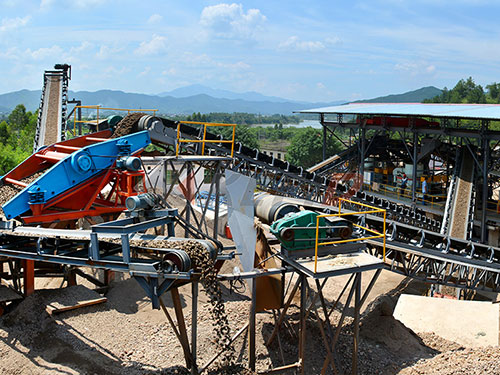
Niveles de precios de equipos:
Modelo básico (Válvulas manuales, Controles estándar): Para actualizaciones que tengan en cuenta su presupuesto。
Modelo premium (Válvulas automatizadas, PLC con HMI): Recomendado para nuevas plantas o grandes proyectos de automatización.。
Sistemas de ingeniería personalizados: Para aplicaciones complejas como arena de fractura o arenas industriales。
Características opcionales: Revestimiento de baldosas cerámicas (para abrasión ultraalta), Lavadoras de desbordamiento con puertos de inyección de floculante., paquetes completos sobre patines。
Paquetes de servicios: Elija entre programas de inspección anuales, kits de reemplazo de revestimiento,o monitorización remota integral & suscripciones de diagnóstico。
Opciones de financiación: Arrendamientos de financiación de bienes de capital disponibles a través de socios, normalmente ofrece términos flexibles de 36 a 60 meses。 También se pueden organizar estructuras de alquiler en propiedad para trabajos basados en proyectos.。
Preguntas frecuentes(FAQ)
1。 ¿Este equipo es compatible con mi planta de lavado actual?
Sí。 Los tanques de clasificación de arena están diseñados como unidades modulares.。 Nuestro equipo de ingeniería revisará el diseño de su planta.,fuente de alimentación,y productos deseados para especificar puntos de conexión, requisitos de la bomba,y soportes estructurales。
2。 ¿Cuál es el cronograma de instalación típico?
Para un sistema estándar, La instalación en el sitio generalmente requiere 57 días con la base preparada.。 Los sistemas montados sobre patines pueden reducir este tiempo significativamente。
3。 ¿Cómo afecta esto a mi consumo general de agua?
correctamente sintonizado,Un tanque de clasificación moderno reduce el consumo de agua por tonelada al crear una separación más eficiente.。 Sin embargo, requiere una presión de agua constante.;Nuestro diseño optimiza los caudales, lo que a menudo permite reducir u optimizar las bombas de recirculación de agua.。
4。 ¿Cuáles son los requisitos de habilidades del operador clave?
El sistema simplifica la operación a través de la automatización.。 La capacitación básica se centra en comprender la interfaz de control y los puntos de inspección de rutina en lugar del ajuste manual del proceso.。
5。 ¿Cuál es la vida útil esperada de la estructura principal?
Con un mantenimiento adecuado,la estructura de acero al carbono generalmente excede los 20 años en servicio. Los componentes de desgaste (revestimientos),Los diafragmas) son artículos consumibles con intervalos de reemplazo predecibles documentados en el manual.。
6。 ¿Pueden ofrecer garantías de rendimiento?
Sí. Proporcionamos garantías escritas para la capacidad de rendimiento del material y la eficiencia de clasificación según el análisis de la muestra de alimentación proporcionada y las especificaciones del producto acordadas.。
7。 ¿Cómo es la disponibilidad de piezas de repuesto?
Disponemos de piezas de desgaste críticas (diafragmas de válvulas).,revestimientos de poliuretano)en almacenes regionales con envío garantizado en 48 horas para pedidos de emergencia bajo nuestros planes de servicio