
Distribuidores de equipos de trituración de lastre de cantera Precio de fábrica
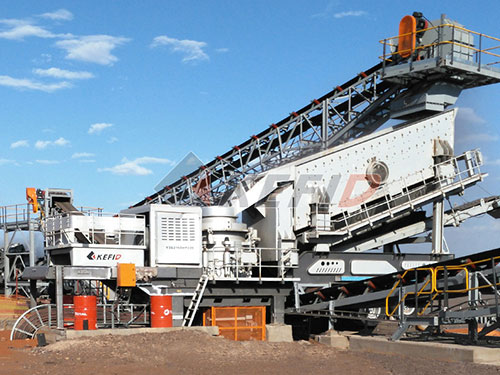

Targeted Solutions for Quarry Ballast Production: Abordar los principales desafíos operativos
Producir consistentemente, El lastre ferroviario de grado de especificación es una operación crítica pero exigente. Inefficient crushing processes directly impact your bottom line through excessive wear part costs, tiempo de inactividad no planificado, y material rechazado. ¿Estás enfrentando estos desafíos persistentes??
Altos costos de abrasión: Are your crusher liners and wear parts failing prematurely under the relentless abrasion of hard rock, llevando a frecuentes, costly replacements and production halts?
Product Shape Inefficiency: Is a significant portion of your output failing cubicity specifications, resulting in excess recirculating load, energía desperdiciada, and reduced saleable yield?
Tiempo de inactividad no programado: Are mechanical failures or lengthy maintenance windows disrupting your production schedule, causing missed delivery targets and contractual penalties?
Gradación inconsistente: Do fluctuating feed sizes or crusher performance issues lead to offspec material that cannot be sold as premium ballast, erosionando los márgenes de beneficio?
Altos gastos operativos: Are energy consumption and manual adjustment requirements for your crushing stage becoming unsustainable cost centers?
A dedicated quarry ballast crushing circuit is not merely about size reduction; it is an engineered system for predictable, costeffective production of highintegrity aggregate.
Descripción general del producto: HighYield Ballast Crushing Systems
Our quarry ballast crushing equipment encompasses heavyduty primary jaw crushers, trituradoras de cono secundarias, and tertiary shaping crushers configured into stationary or modular plants. The operational workflow is engineered for ballast specificity:
1. Reducción Primaria: Scalped feed rock is consistently reduced to a manageable size by a robust jaw crusher.
2. Trituración Secundaria & Organización: Material is conveyed to a cone crusher optimized for abrasion resistance and controlled particle shape.
3. Final Gradation Control: A tertiary vertical shaft impact (TODOS) crusher or highpressure grinding rolls (HPGR) can be integrated for precise cubicity shaping and fines management.
4. Efficient Sizing: Correctly shaped material is efficiently screened to exact railway ballast specifications (p.ej., AREMA, Norma ASTM D448).
5. Recirculation Optimization: Oversize material is automatically returned to the appropriate crushing stage, minimizando el manejo manual.
Ámbito de aplicación & Limitaciones:
This equipment is engineered for medium to hightonnage production of granite, basalto, trampa de roca, and other competent aggregates suitable for railway ballast. Optimal feed size is typically under 750mm. For processing highly weathered or lowabrasion rock, specific configurations may be recommended.
Características principales: Diseñado para la rentabilidad del lastre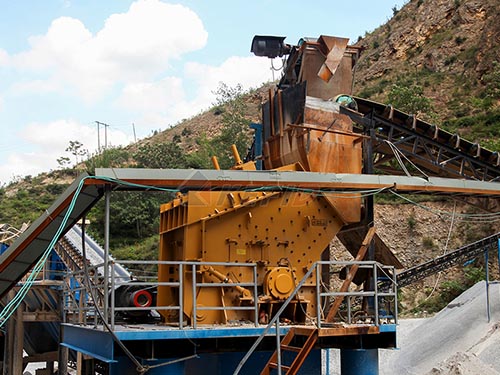
Geometría de cámara avanzada | Base técnica: Cinemática optimizada & perfil de cavidad | Beneficio operativo: Produces a higher percentage of cubical particles in a single pass, reduciendo la carga de recirculación | Impacto del retorno de la inversión: Los datos de campo muestran hasta un 15% increase in saleable ballast yield while lowering energy cost per ton.
Ajuste de CSS de Hydroset | Base técnica: Hydraulic setting regulation system | Beneficio operativo: Permite a los operadores ajustar la configuración del lado cerrado (CSS) for product gradation in under 60 segundos sin parar la trituradora | Impacto del retorno de la inversión: Minimizes downtime for adjustments by over 90%, maintaining continuous spec production during shift changes.
Diseño de piezas de desgaste modulares | Base técnica: Segmented liner plates & reversible components | Beneficio operativo: Reduces liner changeout time by allowing replacement of only worn sections; extends service intervals through component rotation | Impacto del retorno de la inversión: Cuts maintenance labor hours by an estimated 30% and increases wear material utilization by up to 20%.
Automatización integrada & Escucha | Base técnica: PLCbased control with load & sensores de presión | Beneficio operativo: Provides realtime tracking of power draw, rendimiento, y CSS; enables automatic overload protection and performance optimization | Impacto del retorno de la inversión: Previene daños catastróficos causados por metales atrapados; Las pruebas de la industria demuestran una 58% improvement in overall plant efficiency through consistent operation.
Rodamiento de servicio pesado & Drive Design | Base técnica: Oversized roller bearings & direct drive configurations | Beneficio operativo: Supports high radial forces from hard rock crushing with greater reliability; reduces mechanical complexity | Impacto del retorno de la inversión: Aumenta el tiempo medio entre fallas. (MTBF), directly lowering repair part inventories and associated costs.
Ventajas competitivas: Métricas de rendimiento cuantificables
| Métrica de rendimiento | Línea de base estándar de la industria | Nuestra solución de trituración de lastre de cantera | Ventaja documentada |
| : | : | : | : |
| Vida útil del revestimiento en roca abrasiva (Granito) | ~450.000 toneladas por juego (trituradora de cono) | ~600.000 toneladas por juego (trituradora de cono)| +33% Mejora |
| Consumo de energía por tonelada de producción| Varies widely with plant age/design| Optimized circuit design reduces kWh/ton consumption| Arriba a 10% Reducción |
| Average Time for CSS Adjustment| Ajuste manual de cuñas: 24 horas| Hydroset System adjustment via touchscreen 0.9)| Típicamente 6575% de salida| Chamber design yields >85% within spec consistently.| +15% Mejora |
Especificaciones técnicas
Rango de capacidad: Configurable systems from 150 a más 800 toneladas métricas por hora de producto de lastre terminado.
Requisitos de energía: Accionamientos de la trituradora primaria desde 90375 kilovatios; total plant installed power tailored to throughput.
Especificaciones de materiales: Construido con marcos de acero de alta calidad.; manganese steel or composite alloy wear liners specific to abrasion index of processed rock.
Dimensiones físicas clave (ejemplo de trituradora de quijada): Apertura de alimentación de hasta 1500x1200 mm.; machine weight approximately 65,000 kilos.
Rango de operación ambiental: Designed for ambient temperatures from 20°C to +45°C with optional heating/cooling systems. Los sistemas de supresión de polvo son integrales.
Escenarios de aplicación
Ampliación de la cantera de roca dura
Desafío: A granite quarry operator needed to double ballast production but was constrained by existing plant downtime exceeding 15% due to liner changes and mechanical issues.
Solución: Implementation of a turnkey secondary/tertiary crushing circuit featuring cone crushers with Hydroset automation and modular liners.
Resultados: Se logró el rendimiento objetivo de 550 tph. Unplanned downtime reduced to below 4%. Liner changeout times decreased from 32 horas a menos 8 horas por evento.
ContractorLed Rail Project
Desafío: A civil engineering contractor required onsite ballast production for a remote rail link but faced high mobilization costs and uncertain final product quality with standard portable plants.
Solución: Despliegue de un módulo "ballastspecific" crushing plant with preconfigured VSI tertiary stage for guaranteed cubicity.
Resultados: Plant was operational within five days of site delivery. Encima 98% of crushed material met project gradation and particle shape index requirements without rework, keeping the project ahead of schedule.
Consideraciones comerciales
Equipment pricing is structured according to system complexity:
Nivel A (Primary Station): Heavyduty jaw crusher package with feeder and scalper.
Nivel B (Complete Secondary/Tertiary Circuit): Cone crusher(s), pantallas, transportadores, and VSI shaping unit in modular format.
Nivel C (Full Process Plant): Integrated system from primary dump hopper through final product stockpiling.
Las características opcionales incluyen sistemas avanzados de encapsulación de polvo.,
paquetes de telemetría remota,
y sistemas de lubricación automatizados.
Service packages range from scheduled maintenance plans
to fullperformance contracts guaranteeing uptime percentages
and wear part costperton agreements.
Financing options include capital equipment leasing,
programas de alquiler en propiedad,
and projectbased financing tailored
to the cash flow profile of large infrastructure projects.
Preguntas frecuentes
1. Can this equipment be integrated into our existing quarry layout?
Sí. Our engineering team provides layout review services. Systems are designed as modular units that can interface with existing conveyors and screens based on detailed site plans.
2. What is the expected operational impact on our current workforce?
The automation features reduce the manual effort required for adjustments but require trained oversight. We provide comprehensive operator training focused on system control interfaces
and routine maintenance procedures specific
to quarry ballast crushing equipment operation.
3. How does pricing compare against standard aggregate crushers not optimized for ballast?
Initial capital investment may be moderately higher due
to heavierduty components
and integrated shaping technology.
The commercial justification lies in the significantly lower operating cost per ton,
longer component life,
and higher premium product yield,
typically delivering full ROI within an estimated1830 months depending on utilization.
4.What are the key commercial terms regarding warranty
A standard warranty covers manufacturing defects
in structural components
for one year.Wear parts carry separate warranties based on processed tonnage thresholds.Service contracts can extend coverage
for critical mechanical assemblies