
Especificaciones de la planta trituradora de escoria de etiqueta privada


1. APERTURA IMPULSADA POR EL PUNTO DE DOLOR
La gestión de escorias es una tarea persistente., costly bottleneck in metal production and recycling. ¿Se enfrenta a estos desafíos operativos??
Rendimiento poco confiable: Inconsistent feed size and hard, abrasive slag cause frequent jams in standard crushers, leading to unplanned downtime that halts upstream furnaces or downstream processing lines.
Costos de desgaste excesivos: La naturaleza altamente abrasiva de la escoria degrada rápidamente los componentes estándar de acero al manganeso.. The constant cycle of part replacement and maintenance consumes your budget and technical manpower.
Inefficient Reclamation: Inconsistent particle size output from inadequate crushing reduces metal liberation, directly impacting the yield and purity of recovered ferrous and nonferrous metals sent back to your furnace or to market.
Alta complejidad operativa: Equipment not purposebuilt for slag requires excessive presorting, manual breaking, or multiple crushing stages, increasing labor costs and safety risks.
Is your current solution causing more downtime than it resolves? A purposeengineered private label slag crusher plant is designed to transform this liability into a controlled, profitable recovery stream.
2. DESCRIPCIÓN GENERAL DEL PRODUCTO
This private label slag crusher plant is a heavyduty, turnkey processing system engineered specifically for the size reduction and liberation of metallurgical slag from blast furnaces, convertidores de acero, and nonferrous smelters. Se transforma en grande, irregular slag chunks into a consistent, graded aggregate for use as construction material or for further metal recovery.
Flujo de trabajo operativo:
1. Recepción primaria & Pre-selección: Slag is fed via loader into a robust hopper with a grizzly section to bypass sub75mm fines directly to the product conveyor.
2. Reducción de tamaño primario: Oversize material is crushed by a highinertia impactor or jaw crusher designed for high abrasion and occasional tramp metal.
3. Separación de metales & Descargar: Crushed material passes over an overhead magnetic separator to extract liberated ferrous scrap before being conveyed for stockpiling or secondary processing.
Ámbito de aplicación: Processing aircooled blast furnace (novio) escoria, horno de oxígeno básico (BOF) escoria, horno de arco eléctrico (EAF) escoria, and nonferrous (cobre, níquel) slags.
Limitaciones: Not designed for molten slag handling or as a substitute for grinding mills for ultrafine (<5milímetros) mineral liberation without configured secondary crushing stages.
3. CARACTERÍSTICAS PRINCIPALES
Rotor de servicio pesado & Impact System | Base técnica: Highinertia rotor design with monolithic martensitic cast hammers | Beneficio operativo: Sustains high impact energy for slablike slag pieces; handles occasional noncrushables without catastrophic failure | Impacto del retorno de la inversión: Reduces shockrelated breakdowns by an estimated 60%, ampliar los intervalos de servicio importantes
Sistema de revestimiento resistente a la abrasión | Base técnica: Bolton wear liners made from chromium carbide overlay plate in highwear zones | Beneficio operativo: Provides 35x the service life of standard AR400 steel liners in continuous abrasive contact | Impacto del retorno de la inversión: Lowers annual liner replacement costs and associated downtime by approximately 40%
Protección integrada contra metales atrapados | Base técnica: Hydraulic or pneumatic opening mechanism for the crusher housing with automatic reset | Beneficio operativo: Allows uncrushable tramp metal (p.ej., dientes de cubo, large digger parts) to pass through without causing machine seizure or requiring extensive disassembly | Impacto del retorno de la inversión: Minimizes unplanned stoppages from common yard debris; Los datos de campo muestran una reducción en los eventos de tiempo de inactividad relacionados en más de 80%
Adjustable Product Sizing | Base técnica: Hydraulically adjustable primary breaker plate and interchangeable secondary grate sections | Beneficio operativo: Operators can finetune final product size (typically between 25mm 75mm) without changing major components to meet varying contract or internal specifications | Impacto del retorno de la inversión: Increases plant flexibility and value of output material without capital investment in additional screens
Engrase centralizado & Puntos de Monitoreo | Base técnica: Manifolded lubrication lines leading to all major bearings from single access platforms | Beneficio operativo: Permite seguridad, routine maintenance in under 30 minutes without multiple confined space entries or complex dismantling | Impacto del retorno de la inversión: Mejora el cumplimiento del mantenimiento preventivo en un estimado 50%, directly reducing bearing failure rates
4. VENTAJAS COMPETITIVAS
| Métrica de rendimiento | Solución estándar de la industria | Solución de planta trituradora de escoria de marca privada | Ventaja (% Mejora) |
| : | : | : | : |
| Disponibilidad (tiempo de actividad) | ~7580%, frequent clogging/jamming | >92%, optimized flow geometry & sistemas de protección | +15% Tiempo de funcionamiento |
| Wear Part Cost per Tonne Processed| High – Frequent replacement of standard hammers/liners| Low – Extendedlife alloys & optimized wear package| 40% Costo de consumibles |
| Eficiencia de liberación de metales| Variable – Often requires recrushing of middlings| Consistent – Controlled impact force & sizing optimizes fracture along grain boundaries| +20% Ferrous Recovery Yield |
| Consumo de energía por tonelada| Higher – Inefficient crushing action on slablike feed| Lower – Direct impact & high inertia system reduces specific power draw| 18% kWh/tonelada |
5. ESPECIFICACIONES TÉCNICAS
Capacidad / Clasificación: Designed throughput of 80 250 tonnes per hour depending on feed size distribution and required product grading.
Requisitos de energía: Main drive powered by 110kW 250kW electric motor (50Hz / 60compatible con Hz). Plant auxiliaries (transportadores, imán) require additional dedicated supply.
Especificaciones de materiales: Crusher housing constructed from mild steel with bolton abrasionresistant liners (≥400 HB). El eje del rotor es de aleación de acero forjado.. Hammers are martensitic cast iron with ceramic inserts available for extreme abrasion.
Dimensiones físicas (Planta típica): Feed Hopper Opening: 1500mm x 2000 mm. Footprint Length x Width: ~18m x 8m. Altura máxima (to top of crusher): ~6m.
Rango de operación ambiental: Diseñado para temperaturas ambiente de 20°C a +45°C. Dust suppression spray bars are standard at transfer points. Enclosed electrical panels rated to IP65.
6. ESCENARIOS DE APLICACIÓN
Steel Mill Slag Processing Yard Challenge:
A midsized steel mill was landfilling its BOF slag due to an unreliable old crusher that could not handle the hard, variable feed. Manual breaking was costly and hazardous.
Solución:
Implementation of a turnkey private label slag crusher plant with integrated magnetic separation positioned at the slag pit.
Resultados:
La planta logró consistente <50mm aggregate output sold to local road construction. Ferrous metal recovery increased to over 96%, creating a new revenue stream while eliminating landfill costs within an estimated payback period of under two years.
NonFerrous Smelter Slag Retreatment Challenge:
A copper smelter’s legacy slag piles contained significant residual metal values but were too hard and abrasive for their existing cone crushers, causing excessive wear.
Solución:
Deployment of a primary private label impacttype slag crusher as the first stage in a new recovery circuit dedicated to historical stockpiles.
Resultados:
The robust crushing stage reliably reduced feed from >500mm a <100mm for subsequent grinding. Plant availability exceeded projections at 94%, enabling profitable reprocessing at grades previously considered uneconomical.
7. CONSIDERACIONES COMERCIALES
Niveles de precios: Configured plants are offered based on capacity scale.
Nivel I (180 TPH): For large integrated sites or dedicated commercial processors.
Características opcionales: Secondary vibrating screen for precise grading; metal detector prior to crusher; sistema de lubricación automatizado; dust extraction baghouse; sensores avanzados de monitoreo de vibraciones; remote operational diagnostics package.
Paquetes de servicios: Los niveles disponibles incluyen garantía básica (12 meses), Plan de soporte extendido (3year parts/labor on rotating elements), FullService Maintenance Contract including scheduled wear part changes.
Opciones de financiación: Equipment leasing structures through partners are available to preserve capital expenditure budgets, along as project financing models tied to throughput guarantees.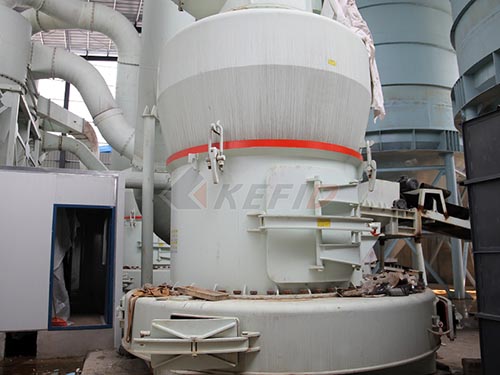
8. Preguntas frecuentes
1. Is this plant compatible with our existing frontend loaders and downstream conveyors?
Sí. The feed hopper height and width are designed around standard loader bucket sizes (~46 cu.m). Discharge conveyor speed and height can be specified during engineering review to match your existing infrastructure interfaces.
2. What level of presorting is required before feeding?
Minimal presorting is required due to the tramp metal protection system; however removing extremely oversized items (>1m dimension) prevents hopper bridging issues.
3. How does this solution improve our overall site safety?
The design reduces manual handling risks by eliminating need for handbreaking slabs enclosed guarding around all moving parts centralized maintenance points reduce technician exposure during servicing
4 What are typical installation lead times after order placement?
For standard Tier II configurations delivery is typically within sixteen weeks Site installation commissioning supervised by our engineers usually requires two weeks depending on foundation readiness
5 ¿Se proporcionan garantías de desempeño??
Yes performance guarantees are provided based on mutually agreed test protocols covering throughput capacity final product sizing consistency power consumption under defined feed conditions