
precio de la planta trituradora
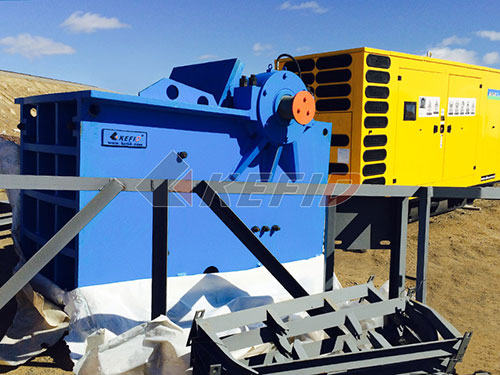

Comprensión de la dinámica de costos de las plantas trituradoras: Un desglose completo
Invertir en una planta trituradora es un gasto de capital importante para cualquier minería., cantera, o operación de construcción. A diferencia de las simples compras de productos básicos, El precio de una planta trituradora no es una cifra única, sino una ecuación compleja influenciada por numerosos factores interdependientes.. Comprender estas variables es crucial para realizar presupuestos precisos y tomar decisiones de inversión informadas que maximicen el valor a largo plazo..
Factores que impulsan los costos de la planta trituradora:
1. Capacidad de la planta & Requisitos de salida: esto es fundamental. Una planta diseñada para procesar 50 toneladas por hora (tph) inherentemente costará menos que uno diseñado para 500 tph o 1000 tph. Una mayor capacidad exige trituradoras más grandes, comederos, transportadores, pantallas, y soportes estructurales.
2. Características de los materiales: ¿Qué estás aplastando??
Dureza/Abrasividad: Las rocas más duras como el granito o el basalto requieren materiales más robustos. (y caro) trituradoras (p.ej., trituradoras de mandibulas para reduccion primaria) construido con materiales resistentes al desgaste en comparación con piedra caliza o arenisca más blanda.
Tamaño & Gradación: El gran tamaño de alimentación requiere trituradoras primarias potentes.
Humedad & Contenido de arcilla: Los materiales pegajosos pueden requerir alimentadores especializados o soluciones de precribado/descalpado para evitar obstrucciones..
3. Especificaciones del producto final deseado:
Tamaño & Forma: La producción de agregados cúbicos de tamaño consistente requiere etapas de trituración más sofisticadas (potencialmente incluyendo trituradoras de cono e impactadores de eje vertical/VSI) y cribado preciso en comparación con la producción de escollera simple o material de relleno.
Requisitos de graduación: Cumplir con especificaciones estrictas a menudo implica circuitos de trituración y cribado de varias etapas..
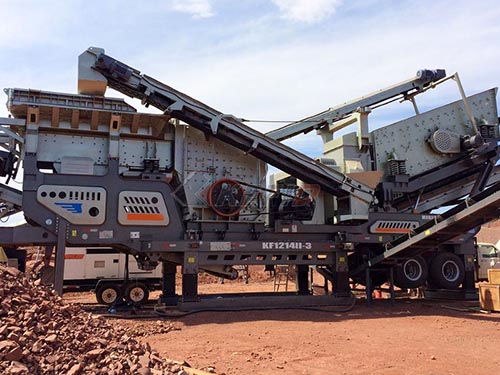
4. Tipo de configuración de la planta trituradora:
Plantas estacionarias: Ofrecen alta capacidad y eficiencia, pero requieren una importante preparación del sitio. (cimientos) y tienen costos iniciales más altos.
Trituradoras móviles (Sobre orugas/sobre ruedas): Proporcionan flexibilidad y reducen los costos de reubicación, pero generalmente tienen capacidades más bajas por unidad y costos operativos por tonelada más altos en comparación con las grandes plantas estacionarias en un sitio fijo a lo largo del tiempo..
Plantas portátiles: A menudo montados en remolques; un término medio que ofrece una instalación más fácil que las unidades estacionarias pero menos movilidad que las unidades con orugas.
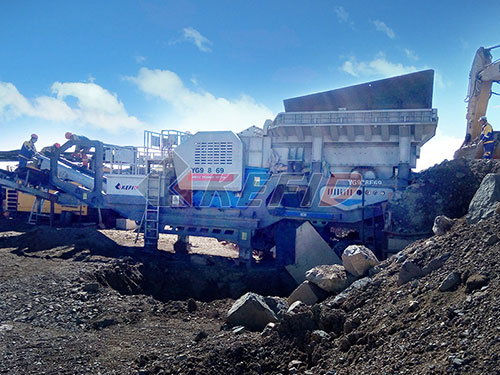
5. Selección de equipo & Tecnología:
tipos de trituradoras & Marcas: Mandíbula primaria versus giratoria; cono secundario vs impactador; VSI terciario: cada uno tiene diferentes costos y características de rendimiento, lo que genera diferentes precios entre los fabricantes.